


Looms from Hilmaspyssel.se – a complete guide for creative weavers
Do you want to start weaving but are unsure which loom to choose, how it works, or what you can actually create with it? Weaving has become a strong trend in DIY, crafts, and interior design, and with the right weaving frame or table loom, you can create everything from small wall hangings to personalized textiles for your home – right at the kitchen table.
In this guide, we will cover everything you need to know about looms from Hilmaspyssel.se: what a loom is, the difference between various models, how to think smartly before buying, and how to get started with your first project step by step. You will also get concrete tips, project ideas, and advice on accessories, so you can confidently choose the right loom online and get maximum enjoyment from your creative hobby.
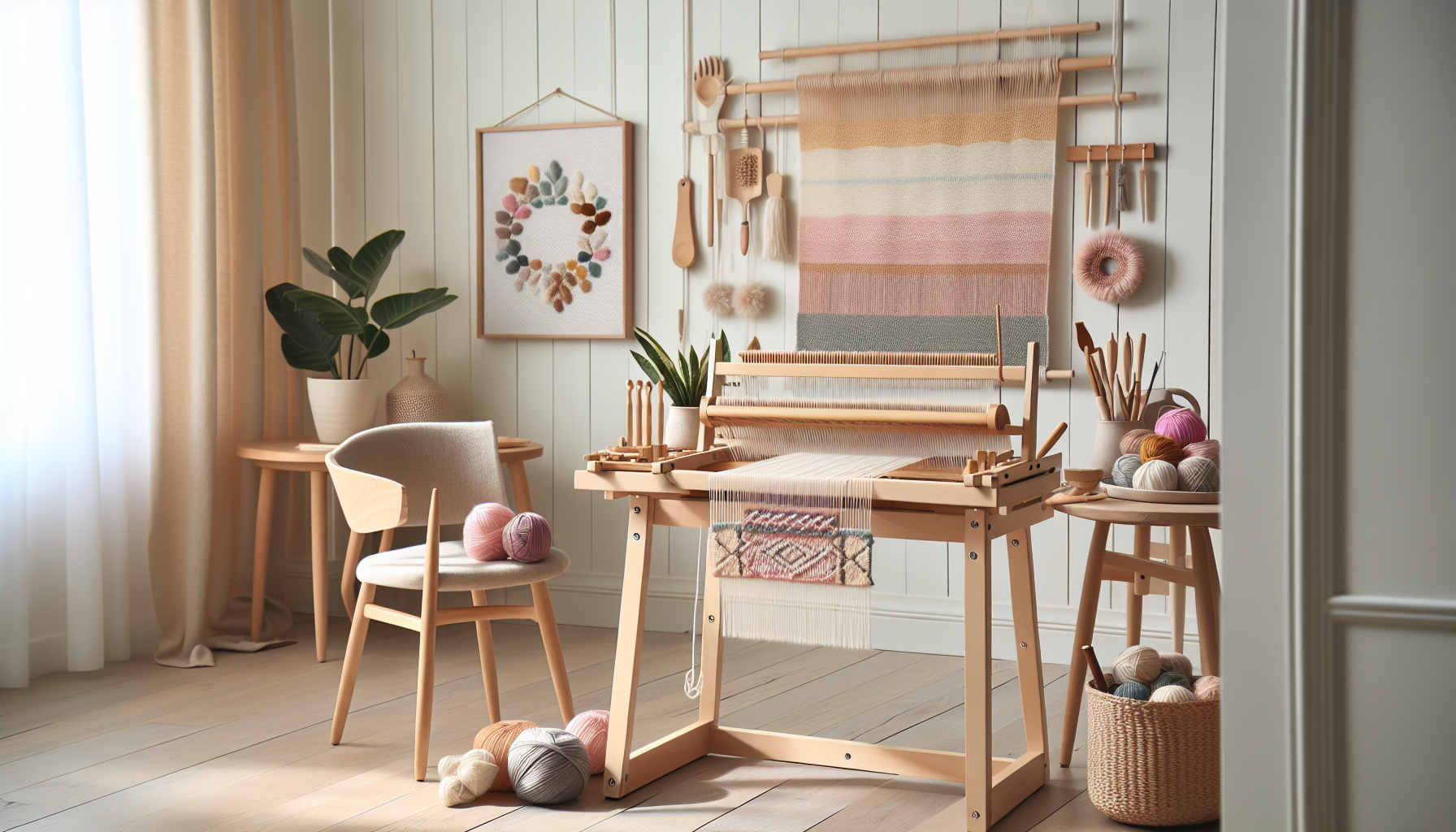
A loom may seem advanced at first glance, but at its core, it is a simple and clever tool for creating fabric, bands, and wall hangings by crossing threads in a controlled manner. Whether you choose a small weaving frame or a more substantial table loom, all weaving is based on the same principle: some threads remain stationary, others move back and forth, forming a stable, woven material. At Hilmaspyssel.se, you will find several variants suitable for children, beginners, and more experienced creators alike.
Basic concepts: warp, weft, and fabric structure
To understand how a loom works, two keywords are enough:
-
Warp: The lengthwise threads that are stretched on the loom. They remain stationary and form the "skeleton" of your weave.
-
Weft: The thread that you pass back and forth through the warp using a needle, shuttle, or your fingers. The weft builds up patterns, color, and texture.
-
Binding: The way the warp and weft cross each other; simple plain weave, stripes, or more decorative sections are created by how you vary color and density.
A unique advantage of smaller looms, which many overlook, is that you quickly see how warp and weft interact – this provides a tangible sense of textile construction that is perfect for both children and educators.
Different looms – from weaving frame to table loom
There are several types of looms, and they differ primarily in size, function, and what you can do with them:
-
Weaving frames/mini-looms – flat frames where you stretch the warp directly onto the frame. Perfect for small wall hangings, coasters, and swatches. Very easy for beginners to understand.
-
Children's looms – simpler, often slightly smaller looms with a clear and robust construction. They are designed for small hands and are often used in schools, after-school care, and home environments.
-
Table looms – stand on a table and offer a larger weaving width, more possibilities, and greater stability. A good step when you want to move from crafting to more "real" textile projects, such as runners or simple rugs.
In short: a loom is an accessible tool for creative craftsmanship. By starting small with the right model from Hilmaspyssel.se, you can quickly learn the basics, achieve beautiful results, and progress to more advanced weaving at your own pace.
Different types of looms at Hilmaspyssel.se – choose the right model
When you start looking at looms online, you quickly encounter different shapes, sizes, and functions. At Hilmaspyssel.se, the assortment is carefully selected to suit beginners, families with children, educators, and more experienced textile creators. Here, we go through the most common models and what actually distinguishes them in practice – not just in the product images.
Weaving frames, children's looms, and table looms – what's the difference?
-
Weaving frames / mini-looms: Simple wooden frames where you stretch the warp directly onto the frame. Perfect for small wall hangings, coasters, and swatches. They take up minimal space and are an excellent first step for both children and adults who want to try weaving without complicated assembly.
-
Children's looms: More robust than many think. Often slightly larger than a mini-loom, but with simple construction, clear parts, and educational design. Suitable for school age, after-school care, preschool, and home crafting where several children can take turns at the same loom.
-
Table looms: Placed on a table and often have more functions than a simple weaving frame. You can weave wider, try more techniques, and create more durable textiles such as runners, simple rugs, or cushion covers. They are still compact compared to large floor looms.
A good guideline is to base your choice on project size: if you want to weave bracelets and small hangings, a weaving frame will suffice, while a table loom gives you more leeway for interior textiles.
Who is suitable for which loom? Concrete examples and buying assistance
Top articles online often mention pros and cons but sometimes miss clear usage scenarios. Here are some practical guidelines based on how customers actually use looms from Hilmaspyssel.se:
-
For children and school environments: Choose a children's loom or a stable mini-loom. They are easy to understand, withstand frequent use, and make it easy to succeed quickly – important for motivation.
-
For creative crafters and DIY-interested adults: A medium-sized weaving frame is perfect if you primarily want to make wall hangings, boho-inspired decor, and smaller textile projects. Here you can experiment a lot with textures and yarn without a large investment.
-
For textile enthusiasts who want to "grow into" the hobby: Invest in a table loom. It requires a bit more space and planning but opens up possibilities for wider weaves, more even results, and more advanced patterns.
As a rule of thumb: Choose a smaller weaving frame if you want to make smaller wall hangings or try the technique. Choose a stable table loom if your goal is to weave runners, simple rugs, or more durable utility textiles. By considering your daily life – space, time, and ambition level – it will be significantly easier to find the right model in Hilmaspyssel's assortment and avoid an impulse purchase that quickly ends up in the closet.
How to choose the right loom – practical buying guide step by step
Choosing a loom for the first time can feel overwhelming – there are many models, sizes, and price ranges. In this section, we break down the decisions into clear steps, so you can easily find the right loom on Hilmaspyssel.se based on your needs, rather than just going by price or appearance.
Steps 1–3: Purpose, skill level, and space
Start by clarifying your situation:
-
Purpose of weaving: Are you going to create interior details (runners, wall hangings), use weaving as educational material in school/after-school care, or do you mostly want a relaxing craft at the kitchen table?
-
Experience level: Are you a complete beginner, have you tried a bit on a weaving frame, or do you want a loom that will last even as you develop your skills?
-
Space at home: If you only have space to bring out the loom occasionally, a compact weaving frame or table loom is best. If you have a more permanent craft corner, you can choose a larger model.
A concrete way to think is: if you want to be able to finish a project in one evening, a smaller frame loom is suitable, while a stable table loom is better if you dream of longer runners or recurring projects.
Steps 4–5: Budget, product descriptions, and smart packages
The next step is to match your needs with your budget and the details in the product descriptions on Hilmaspyssel.se:
-
Budget and quality: A simpler weaving frame is perfect as an inexpensive starter option, while a sturdy table loom often becomes more cost-effective in the long run if you want to weave a lot.
-
Read product info carefully: Look at the maximum weaving width, what material the loom is made of (often wood), recommended age, and whether it is described as beginner-friendly or more advanced.
-
Choose package solutions: Starter kits with loom + yarn + needle/comb or special children's packages with colorful yarns and simple instructions mean you can start weaving immediately without additional purchases.
By comparing a few different models online, reading reviews, and considering how often you will actually use the loom, you avoid mispurchases and get a model that truly suits you, your family, or your group of children – both today and in a year. Hilmaspyssel.se makes it easy to filter, compare, and order the right loom at your leisure.
Get started with your loom – from first warp to first finished weave
Getting started with a new loom can feel a bit overwhelming, but the process is simpler than many think when broken down into clear steps. Here we go through how to practically start your first weaving project, focusing on the looms and starter kits you find at Hilmaspyssel.se. The goal is for you to quickly experience the joy of a first finished weave – without getting stuck in advanced jargon.
Step-by-step: from assembly to first weft
-
Assemble the loom calmly and methodically: Unpack all parts, lay them out on the table, and follow the included manual step by step. Feel free to supplement with online instructional videos if you are unsure about any step.
-
Choose the right yarn for your first project: The first time, it's smart to choose a medium-thick yarn in cotton or wool – it's easy to handle and gives an even result. Scrap yarns also work well on simpler weaving frames.
-
Set up the warp easily: Tie the warp thread, pull it back and forth over the weaving frame, and make sure the threads are parallel. They should be stretched but not tightly tensioned.
-
Start weaving with a focus on rhythm, not perfection: Pass the shuttle through the warp threads, gently pack the weft with a comb or fingers, and try to find a calm, repetitive rhythm.
A good beginner's tip is to start with a small project, such as a simple coaster or a mini-wall hanging. This way, you get to try the whole process – from the first warp to cutting off – without it taking an insurmountable amount of time.
Common beginner mistakes – and how to avoid them
What is often not mentioned in shorter guides is what typical beginner problems actually look like in practice. Some things to keep an eye on are:
-
Uneven edges: If the edges are pulled inwards, you are probably weaving too tightly. Leave a small loop of yarn at the edge before packing the weft.
-
Too tight warp: If the warp threads almost "sing" when you pull them, the tension is too high. Loosen it slightly, otherwise it will be difficult to pass the shuttle and the risk of broken threads increases.
-
Gaps in the pattern: Check that you are weaving alternately over/under the warp threads. A mistake here is quickly visible but easy to reverse and correct.
A unique and very helpful tip is to keep a weaving diary from the very first project: write down which loom you used, yarn type, warp length, and what felt difficult. The next time you weave, you can adjust based on your own experiences, not just general tips. And remember – Hilmaspyssel.se has both simple looms and ready-made kits that are designed precisely to make these first steps as smooth and enjoyable as possible.
Creative weaving projects with looms from Hilmaspyssel.se
Once you've gotten started with your loom, the next step is to find creative weaving projects that both challenge and inspire. This is where Hilmaspyssel.se truly distinguishes itself from many other stores – the assortment is adapted for everything from simple beginner projects to more advanced weaving, and you can build up your skill level step by step without having to change hobbies or invest in expensive equipment right away.
Project ideas for different levels
-
For beginners: small wall hangings, simple coasters, bookmarks, and bands where you can practice even edges and color changes
-
For intermediates: woven cushion covers, runners, decorative panels, and narrow "mini-rugs" to hang on the wall
-
For children: doll blankets, colorful bracelets, keychains, and small "artworks" to hang by the desk
A smart approach is to start with a small wall hanging on a weaving frame from Hilmaspyssel.se. There you can try stripes, squares, and insertions of thicker yarn or fabric strips. When you feel confident, you can move on to a matching set – for example, coasters and a short runner in the same color scheme, which creates a nice overall look on the kitchen table.
Sustainable and seasonal weaves
To make your projects more sustainable, you can mix regular yarn with leftover yarns and fabric scraps, such as worn-out sheets cut into strips. This creates a lovely texture and reduces waste in the yarn stash. Also try seasonal projects: Christmas placemats in red and natural, pastel-colored Easter ribbons, or boho-inspired wall hangings for summer. Finish each project with a short note in your weaving diary – what worked, what you want to try next time – and feel free to share the results on social media and tag Hilmaspyssel.se for even more inspiration.
Loom accessories – yarn, needles, and extra materials you should have
The right weaving accessories make an enormous difference to both the result and the joy of weaving. Many beginners only focus on the loom itself, but it's the combination of loom, yarn, and clever accessories that makes the work flow smoothly. At Hilmaspyssel.se, you'll find well-thought-out accessories that fit both simple weaving frames and more advanced table looms – perfect when you want to build a small "weaving kit" at home.
Basic weaving accessories every home weaver should have
-
Weaving needles and weaving sticks: For passing the weft through the warp, especially on weaving frames and children's looms.
-
Combs and weaving combs: Help you pack the weft evenly and achieve a professional result.
-
Shuttles: Common on table looms and make weaving faster and more even, especially for wider projects.
-
Extra warp thread and cords: Good to have as a reserve if something breaks or if you want to set up several small projects simultaneously.
-
Scissors, tape measure, and clamps: Indispensable for measuring length, cutting cleanly, and holding threads and yarn ends in place.
When building your first kit, think "sewing box" but for weaving: gather everything in a box or basket next to the loom so you don't have to interrupt yourself every time you need scissors, a needle, or extra yarn.
Choosing the right yarn and smart storage for your weaving creations
For a successful result, the choice of yarn is just as important as the loom.
-
For beginners and children: Choose soft, slightly thicker yarns in cotton or acrylic. They are easy to grasp, tangle less, and quickly show visible results – perfect on children's looms from Hilmaspyssel.se.
-
For decorative wall hangings: Mix textures – wool, boucle, ribbon yarn, and fabric strips – for a vibrant expression on weaving frames and mini-looms.
-
For utility items (coasters, runners): Opt for durable qualities like cotton yarn or blended yarns that can withstand some wear and tear and potential washing.
To keep things tidy at home, it's smart to:
-
Store yarn in boxes or baskets divided by color or thickness.
-
Use smaller project bags where you put the loom + yarn for a specific project – then you can easily take out and put away the craft without everything scattering.
-
Label your favorites with small tags where you write the quality and place of purchase, making it easy to replenish from Hilmaspyssel.se when you want to buy more of that particular yarn.
By considering accessories, yarn choices, and storage from the start, you will have more sustainable and joyful weaving – and your loom will feel like a well-thought-out creative system rather than just another item taking up space.
Care, storage, and long-term use of your loom
A well-maintained loom lasts for many years and provides you with stable, beautiful weaves time and again. Here we collect practical advice from both experienced weavers and top articles online – but adapt everything to the smaller looms and weaving frames common at Hilmaspyssel.se. With proper care, you avoid loose screws, warped frames, and unnecessary wear and tear on both loom and yarn.
How to take care of your loom in everyday life
-
Clean wooden parts regularly: Wipe with a lightly damp cloth and dry immediately. Avoid strong cleaning agents that can dry out the wood.
-
Check screws and fittings: Tighten screws occasionally, especially on table looms that are often moved or used by children in groups.
-
Protect from moisture and direct sun: Store the loom in a dry place, away from direct sunlight that can bleach wood and yarn.
-
Storage when not in use: Place weaving frames and small looms in a box, fabric bag, or original carton along with the manual and small parts.
A simple but often overlooked tip is to always finish a session by slightly loosening the tension on the warp. This reduces the strain on both the warp thread and the loom and helps everything maintain its shape better over time.
Weaving with children, upgrading, and staying motivated
When weaving with children, safety and simplicity are paramount:
-
Choose child-safe accessories: Use rounded plastic weaving needles, blunt scissors, and stable looms that stand firmly on the table.
-
Always supervise: Let the children weave freely creatively, but keep an eye on small parts and yarn scraps.
-
Start with short sessions: 10–15 minutes is often enough for younger children and makes weaving associated with joy, not demands.
When you notice that interest grows, you can:
-
Upgrade from a weaving frame to a table loom for wider runners, cushions, and simpler rugs.
-
Add more accessories such as combs, extra shuttles, and various yarn qualities for more advanced structures.
-
Create small project goals – for example, "one wall hanging per season" – and use weaving as a calm, screen-free mindfulness activity.
This way, your loom becomes not just a tool, but a long-term companion in your creative life – from the first simple wall hanging to more personal textile artworks.
Frequently Asked Questions about Looms and Hilmaspyssel.se
Q: Which loom is best for a complete beginner?
A: For most beginners, a simple weaving frame or mini-loom is the best start. It takes up little space, is easy to understand, and you immediately see what is happening with the warp and weft. At Hilmaspyssel.se, you'll find several smaller looms where you can start with small projects like coasters or wall hangings. If you're used to other crafts and want more development opportunities, a stable table loom might be the next step, especially if you want to weave runners or simpler rugs.
Q: Which yarn works best for weaving on smaller looms?
A: For smaller weaving frames, medium-thick cotton yarn and wool yarn work best – they hold their shape, are easy to tension, and give a clear result. Avoid extremely loose or very glossy yarns at the beginning, as they can slip and make the edges uneven. Many also appreciate using leftover yarns for the weft to achieve a more lively, sustainable, and budget-friendly look. Hilmaspyssel.se offers yarn kits adapted for children's looms and mini-looms, making it easy to choose correctly.
Q: Is weaving difficult for children, and from what age can they start?
A: With a child's loom that is adapted in size and simplicity, children can start weaving as early as 5–6 years old, preferably with an adult. The important thing is short periods, durable yarns, and clear, small projects – for example, a doll blanket, bookmark, or a simple band. Weaving trains fine motor skills, color understanding, and concentration, which makes it highly valued in homes, preschools, and after-school programs.
Q: How much space do I need for a loom at home?
A: A weaving frame or mini-loom fits on a regular kitchen table and can easily be put away afterward. A table loom requires a bit more space, but can often be placed on a desk or craft table and sometimes folded. Before ordering from Hilmaspyssel.se, it's a good idea to measure an area where you can sit comfortably with good lighting – then weaving will be both more enjoyable and more ergonomic.
Q: What are common beginner mistakes – and how do I avoid them?
A: The most common is too much tension on the weft, which makes the weave crooked, and uneven edges. Solve this by not pulling the shuttle too tightly, but instead letting the weft lie in a soft arc before beating it down with a comb or your fingers. Another mistake is starting with too large a project – rather start with something small that you can finish in one or two evenings. A simple rule of thumb is: shorter warp, thicker yarn, fewer colors when learning the basics.
Q: Why buy a loom online at Hilmaspyssel.se instead of in a physical store?
A: When you buy a loom online at Hilmaspyssel.se, you get clear product descriptions, recommended age, measurements, and sometimes even project suggestions directly on the product page. You can calmly compare models, read reviews, and complement with yarn, needles, and starter kits in the same order. Furthermore, the assortment of children's looms, weaving frames, and accessories is often broader than in a regular hobby store, making it easier to find a solution that suits your home, your budget, and your experience level.
Conclusion: time to weave together inspiration, knowledge, and your first project
Now you have received a complete overview of looms, from basic concepts and different models to a buying guide, starting steps, project ideas, accessories, and long-term care. Together, all this shows why weaving is a sustainable, creative, and relaxing hobby suitable for both children and adults – whether you want to make small wall hangings, educational school projects, or personal interior details for your home.
The next step is simple: consider your purpose, your skill level, and your space – and then choose a loom that matches your specific needs. Visit Hilmaspyssel.se to compare weaving frames, children's looms, table looms, and ready-made starter kits, add suitable yarn and accessories, and start your first (or next) weaving project today. Feel free to save this guide, share it with someone curious about weaving, and let your future weaves be the beginning of a long, creative textile journey.