


Awls from Hilmaspyssel.se – your guide to the right tools for sewing and crafting
Have you ever tried to make holes in leather, cardboard, or thick fabric with the wrong tools – and ended up with crooked holes, cracks in the material, or sore hands? Then you know how crucial a really good awl is for both sewing and creative craft projects. On Hilmaspyssel.se, you’ll find a wide range of awls for leatherwork, bookbinding, paper crafts, and hobbies – but which one should you choose?
In this guide, we'll cover everything you need to know before buying an awl: what an awl actually is, the difference between awls, needles, and other pointed tools, the various types of awls available, how to use them safely and effectively, how to care for them for long-lasting durability, and which models on Hilmaspyssel.se suit different needs. Our goal is to help you choose the right awl right away – and achieve neater, stronger, and more professional craft projects.
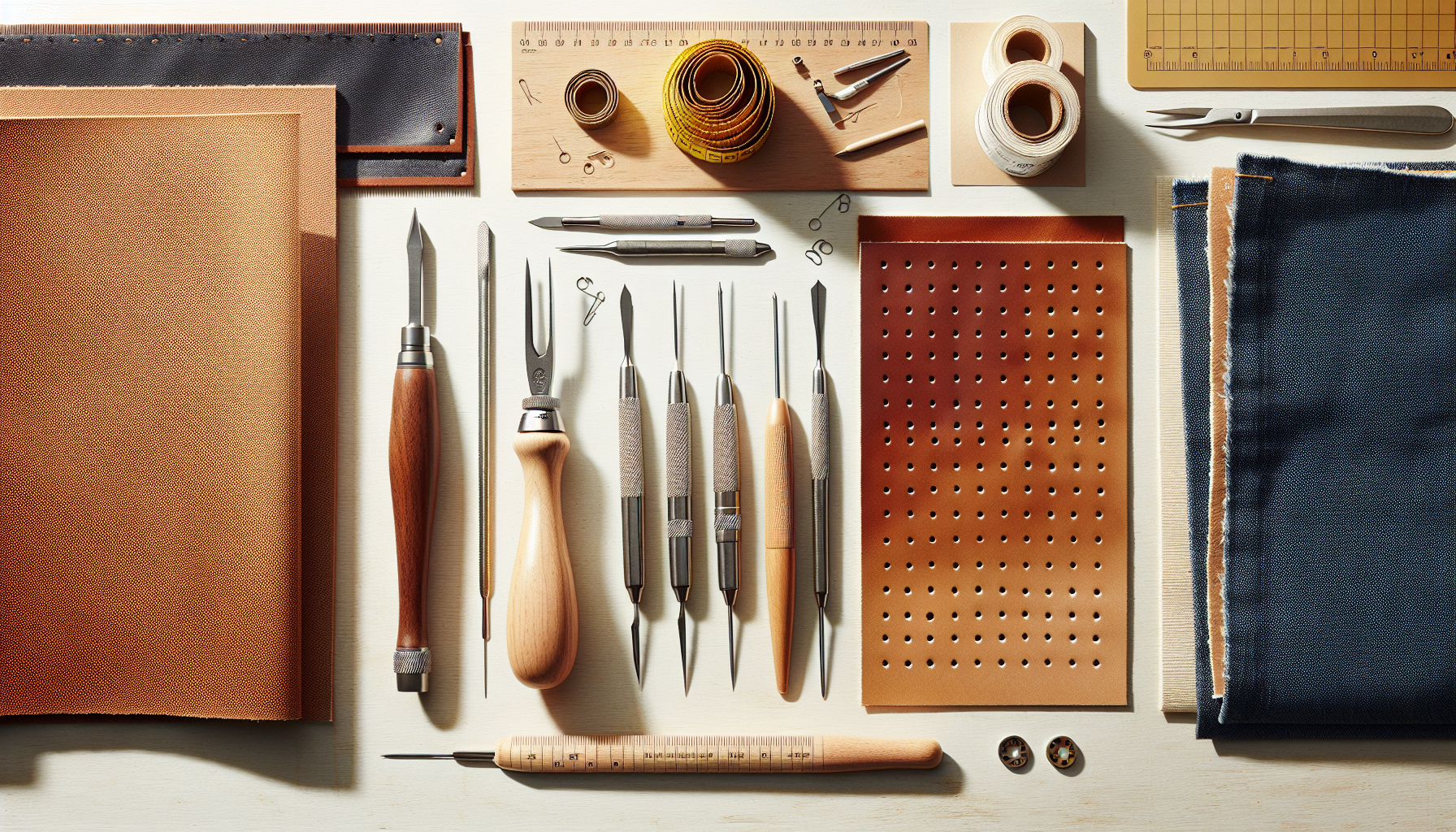
An awl is one of those classic small tools that many have seen in a sewing box or toolbox – but far from everyone actually knows how to use it to its full potential. Essentially, an awl is a pointed hand tool, often with a comfortable handle, used to make controlled holes or markings in various materials. At Hilmaspyssel.se, awls are a key tool in the assortment for anyone who enjoys sewing, leatherwork, bookbinding, or creative paper projects.
Awl, needle, or other pointed tool – what's the difference?
To choose the right tool, it's important to understand the difference between the most common options:
-
Awl: Has a stronger, often conical point designed to widen fibers or material without necessarily cutting them. Perfect for leather, thick fabric, cardboard, and paperboard.
-
Needle: Thinner, with an eye for thread. It passes through the material, leaving a smaller hole, ideal for sewing itself rather than hole punching.
-
Other pointed tools (e.g., pricker, wood awl, metal awl): Are often specialized for a specific material and may have a more aggressive point or edge.
Many beginners try to use a regular needle where an awl is actually needed. The result is often bent needles, uneven holes, and unnecessary strain on the hands. An awl from Hilmaspyssel.se, on the other hand, is designed to provide control, power, and precision in one single tool.
Common uses and popular awl types at Hilmaspyssel.se
In practice, awls are used for much more than just "making holes." Some typical areas include leatherwork, bookbinding, paper crafts, repairing bags and belts, and pre-punching seams in thicker fabrics. Therefore, at Hilmaspyssel.se, you'll find several basic types, even in the beginner's assortment:
-
Straight awl for all-round use – a perfect first choice for those who want to try various techniques and materials.
-
Curved awl – used when you need to reach into angles, corners, or tight spaces, such as the inside of a bag.
-
Leather awl – has an extra strong point and is adapted for straps, belts, and thick leather details.
-
Bookbinding awl – designed to make clean holes in paper, cardboard, and covers without tearing the fibers.
By understanding what an awl is and how it differs from other tools, it becomes much easier to choose the right model from the start. In the following sections, we'll delve deeper into each type of awl and how to use them best in your projects.
Different types of awls at Hilmaspyssel.se and their uses
Once you understand what an awl is, the next step is choosing the right model for the right project. At Hilmaspyssel.se, there are several well-designed awl variations adapted for everything from leather crafts and bookbinding to sewing and paper crafts. Here, we'll go through the most common types, so you don't have to guess and can instead choose tools that yield clean holes, straight seams, and a more professional result.
Straight, curved, leather awl, and bookbinding awl – what distinguishes them?
-
Straight awl (all-round awl): Perfect as a first awl. Used for simpler hole punching in fabric, thinner leather, felt, paper, and hobby projects. Good when you want control and to work straight down.
-
Curved awl: Has a curved point that makes it easier to reach into tight spaces, such as the inside of bags, shoes, or already sewn corners. Indispensable for repairs where you cannot flatten the material.
-
Leather awl: Often sturdier, sometimes with a triangular ground point to "cut" through thick leather without splitting it. Ideal for belts, straps, saddlery work, and robust leather bags.
-
Bookbinding awl: Narrow, very sharp point that makes clean holes in paper, cardboard, and thinner board. Creates neat rows of holes for hand-stitched notebooks, albums, and bullet journals.
Consider this: if you're making your own notebook, the bookbinding awl is optimal, while repairing a leather bag will almost always be easier with a leather awl or curved awl, depending on accessibility.
How to use product descriptions on Hilmaspyssel.se to choose correctly
A big advantage of buying awls online at Hilmaspyssel.se is the clear product texts. Always read:
-
Recommended use – does it state leather, paper, textile, or "all-round"?
-
Tip shape and thickness – thin tip for precision, coarser for stronger materials.
-
Handle and ergonomics – wooden handles provide a good grip for longer sessions, simpler plastic may suffice for occasional crafting.
Feel free to compare two or three models side-by-side. Ask yourself: "Do I mostly work with thick material, or do I need a more versatile awl for mixed craft projects?" By combining this guide with Hilmaspyssel's descriptions, you'll quickly find an awl that not only matches your current projects but also allows for growth into more advanced craftsmanship in the future.
Material and quality – how to choose durable awls
The right material for your awl is crucial for both precision and durability. Many beginners choose the first cheap tool they find, but as most experienced craftspeople emphasize in guides and forums: a quality awl made of good steel is the difference between a frustrating project and a truly professional result. At Hilmaspyssel.se, you'll find awls in various materials and designs, suitable for everything from light paper crafts to demanding leatherwork.
Common awl materials and what they mean in practice
-
Steel / hardened steel: Provides a strong, wear-resistant point that stays sharp for a long time and doesn't bend in thick material.
-
Wooden handle: Ergonomic, warm to hold, provides a good grip during longer sessions – popular among bookbinders and leather crafters.
-
Plastic or composite handle: Lightweight, affordable, and often with a textured surface for better grip – good for hobby use and as a "first awl".
-
Full tang point: The point extends through the entire handle, providing extra strength for heavy work like leather and cardboard.
When comparing awls on Hilmaspyssel.se, look at the product images: a smooth, symmetrical point without burrs and a sturdy attachment to the handle are clear signs of quality. Combine this with the product description (e.g., "hardened steel," "ergonomic handle") to quickly filter out tools that won't last.
Choose your level based on how you craft – concrete recommendations
To make your choice easier, you can consider how often and with which materials you work:
-
You craft occasionally (shorter periods, mixed materials):
Choose an affordable straight awl made of steel with a plastic or wooden handle. An all-round awl from Hilmaspyssel.se goes a long way for simpler paper projects, thin fabrics, and small repairs. -
You run a small craft business (markets, Etsy, custom orders):
Invest in hardened steel and an ergonomic handle. Here, a slightly more expensive model with a good grip pays off, especially if you work a lot with cardboard, multiple layers of paper, or coarser textiles. -
You primarily work with leather or thick materials:
Choose a dedicated leather awl made of hardened steel, preferably with a wooden handle and robust attachment. This provides maximum control when making many holes in belts, bags, and straps without the tip dulling or bending.
By matching the material and quality level to how you actually use the tool, you'll get an awl that not only works today but continues to deliver clean, neat holes for many years – making the investment in better models on Hilmaspyssel.se both economical and sustainable in the long run.
Practical usage tips – how to work safely and efficiently with awls
To get maximum precision from your awls from Hilmaspyssel.se, the right tool isn't enough – technique plays an equally important role. Many beginners experience torn paper, crooked rows of holes, or sore hands, but with a few simple steps, you can work both more controlled and comfortably, whether you're sewing leather, bookbinding, or crafting with paper.
Step-by-step: how to use the awl in different materials
-
Holes in leather for sewing:
Stretch the leather against a firm, slightly softer surface (e.g., a cutting mat). Mark the seam with a ruler and silver pen/scriber. Hold the awl at an angle, roughly the angle you want the stitches to follow, and twist slightly as you push through – this reduces the risk of cracks and creates even holes. -
Preparing holes in paper for bookbinding:
Clamp sheets and cover in a paper clamp. Use a template with marked hole positions and push the awl straight down into a fold line against a cutting mat or rolled-up newspaper. Work methodically from the center outwards to avoid a skewed spine. -
Marking seam allowance in fabric:
On heavier fabric, you can use an awl to make small pinpoint markings where you should start and stop sewing, or mark buttonholes. Press lightly so you don't make permanent holes in delicate materials.
By working slowly at first and repeating the same movements, you'll quickly develop a feel for how much pressure is needed in different materials. Here, it's an advantage to have different types of awls at home – something Hilmaspyssel.se makes easy with its specialized variants.
Safety, precision, and common mistakes to avoid
To work safely, always ensure your fingers are behind the awl's point, not in front. Preferably use a cutting mat, leather scrap, or wooden board as a base, so the point doesn't slip on hard surfaces. Stand or sit stably, with your forearm supported by the table – this provides more control and reduces strain on your wrists.
For high precision, planning is crucial: measure, mark, and draw faint guide lines before making the first hole. Many problems – such as holes that are too large, crooked lines, or cracked material – occur when skipping preparatory work. A simple trick is to always test the awl on a scrap piece of the same material first. This way, you'll immediately see if you need to switch to a thinner point, a different type of awl, or simply adjust the pressure. With the right technique, your awl becomes a precision tool rather than just a "sharp stick".
Project ideas with awls – creative crafts from Hilmaspyssel.se
An awl is more than just a tool for making holes – it can be the heart of countless creative DIY projects. By combining the right awl, materials, and accessories from Hilmaspyssel.se, you can create everything from personalized gifts to products that can be sold at markets or in your own webshop. Here are concrete project ideas where a good awl truly makes a difference.
Inspiring craft projects step-by-step
-
Handmade notebooks & bullet journals: Use a bookbinding awl to make even holes in folded paper sheets and covers. Combine with waxed thread, decorative paper, and a bone folder for a professional result.
-
Personalized leather keychains: Cut out small leather straps, mark the holes with a ruler, and make the holes with a leather awl. Complete with keyrings, rivets, and edge paint for a market-ready product.
-
Paper decorations and tags with hole patterns: Create your own patterns with a straight awl, ruler, and cutting mat. Perfect for gift tags, scrapbooking, and card making.
-
Repair and customize bags, belts, and shoes: Reinforce existing holes or create new ones for a better fit. A curved awl is invaluable in tight and hard-to-reach places, such as bag corners.
For each project, you can put together a small "kit list" directly on Hilmaspyssel.se, making it easy to order everything you need in one go.
Smart combination purchases and added value
When planning new awl projects, it pays to think in terms of kits rather than individual products. Examples:
-
Awl + waxed thread + leather pieces for leather projects, straps, bracelets, and keychains
-
Bookbinding awl + paper + cardboard + glue for notebooks, guest books, and albums
-
Straight awl + cutting mat + ruler for exact rows of holes in paper, cardboard, and thin plastic
By consolidating your purchases, you not only get a more well-thought-out project flow – you also reduce shipping costs and waiting time. Feel free to check product recommendations and related articles in Hilmaspyssel.se's product listings; often, you'll find combinations there that many experienced crafters already use. This way, you can skip some beginner mistakes and go straight to solutions that work in practice.
Care, storage, and maintenance of awls
For your awls from Hilmaspyssel.se to feel as secure and precise after hundreds of projects as they did on first use, they need proper care. Many underestimate the maintenance of small hand tools, but a sharp, clean, and rust-free awl is crucial for neat holes, straight seams, and preventing materials from splitting.
How to keep your awl's point sharp and functional
-
Clean after each project: Wipe the awl's point with a soft cloth. After leather, glue, or paint – use a slightly damp cloth and dry thoroughly.
-
Protect the tip: Use the included cover, make a simple cork cap, or stick the awl into a pincushion when not in use.
-
Avoid unnecessary strain: Never force the awl through excessively hard material – rather pre-drill or use the correct type of awl for thicker leather and cardboard.
By treating the awl's point as a precision tool, rather than "just a pointy tool," you'll significantly extend its lifespan. Many quality awls made of hardened steel can be used for years with minimal regrinding if wiped down and stored correctly from the start.
Smart storage and rust protection – how to do it at home
-
Store dry and protected: Place the awls in a toolbox, a case, or a small box – not loose in a damp sewing drawer or basement.
-
Separate from other metal tools: Store them so that the points don't hit scissors, screwdrivers, or other hard surfaces that could damage the edge.
-
Prevent rust: If you work frequently with damp materials, always wipe the awl dry and occasionally apply a tiny amount of acid-free oil to the metal.
With proper care, a quality awl from Hilmaspyssel.se becomes a long-term purchase with a low cost per use. You avoid buying new cheap awls that bend or rust, and can instead rely on the same favorite tool project after project – whether you craft occasionally or run a small craft business.
How to choose the right awl on Hilmaspyssel.se – buying guide and checklist
Choosing the right awl can feel surprisingly difficult when faced with many models, materials, and sizes in an online store. That's why a clear buying guide is valuable. At Hilmaspyssel.se, you'll find both simpler awls for beginners and more specialized variants for leather, bookbinding, and advanced crafts – but the key is to match the right tool with the right project.
Questions to ask before buying an awl
Always start by clarifying your needs:
-
What material will you be working with? Thin paper, thick cardboard, fabric, denim, leather, or several different materials?
-
How often will you use the awl? Occasionally, weekly, or daily in a small business?
-
Do you need a single awl or a set? A set with different sizes and points is often the most cost-effective for those who enjoy many types of crafts.
-
How important is ergonomics? If you have sensitive hands or work for long periods, a comfortable, grippy handle is worthwhile.
Once you have answers to these questions, the product texts, measurements, and images on Hilmaspyssel.se become much easier to interpret – you'll immediately see which models actually suit your projects.
Checklist & concrete buying recommendations
Use this checklist when comparing awls in the store:
-
Type of awl: straight, curved, leather awl, bookbinding awl, or all-round awl
-
Material and handle: hardened steel, wooden handle, plastic, ergonomic shape
-
Tip thickness and length: thin tips for paper/fabric, coarser for leather and straps
-
Detailed images and customer reviews: look for close-ups of the tip and read how others perceive the grip and durability
As a good first purchase for beginners, a straight all-purpose awl made of good steel often works well – perfect for paper crafts, simple sewing, and small repairs. As an upgrade for those who want to take their craft further, you can supplement with a dedicated leather awl and a bookbinding awl. This way, you essentially cover all project ideas that inspire you on Hilmaspyssel.se and get a well-thought-out basic kit that lasts over time.
Frequently asked questions about awls
Q: What type of awl should I choose as a complete beginner?
A: For most beginners, a straight all-purpose awl made of good steel with a comfortable handle is the best starting point. It works for simple leatherwork, paper crafts, bookbinding, and sewing in thicker fabrics. On Hilmaspyssel.se, you can start with the basic models and read the product description: look for words like "all-purpose," "for beginners," or "suitable for multiple materials." Avoid too cheap sets with many low-quality awls – a single good awl yields better results than five bad ones.
Q: Do I need different awls for leather, paper, and fabric?
A: Yes, if you want to achieve clean holes and minimal wear on the material, it pays to match the awl to the material. A leather awl often has a sturdier, more conical tip to penetrate thick leather. A bookbinding awl is thinner and creates precise holes in paper without tearing the fibers. For fabric, many use an awl mostly for marking and pre-punching seam allowances. On Hilmaspyssel.se, the product texts clearly indicate which material each awl is optimized for.
Q: How do I know if an awl is high quality when shopping online?
A: Look at the material, finish, and handle. Quality awls are made of hardened steel, have a smooth, polished tip without burrs, and a sturdy handle made of wood or strong plastic. Product images usually show a close-up of the tip – if it looks even and symmetrical, that's a good sign. Also, read customer reviews: recurring comments about "sturdy," "stays sharp," and "comfortable to hold" signal quality. Hilmaspyssel.se usually provides clear specifications regarding material and intended use.
Q: How do I avoid making too large or crooked holes with an awl?
A: The key is preparation and support. Always mark the holes with a pen or scratch tool first, use a ruler or template for series of holes, and work against a stable surface, e.g., a cutting mat or a scrap piece of leather. Hold the awl straight from above and press with control instead of "stabbing" forcefully. It's often best to start with a thinner awl and widen the hole if necessary. Practice on scrap pieces before starting your actual project.
Q: How do I care for my awls so they last for many years?
A: Clean the awl tip immediately after use, especially after leather, glue, or paint. Wipe with a dry cloth and store dry, preferably in a case or toolbox where the tip is protected. If you see even the slightest rust spot, you can carefully polish it with fine steel wool and apply a thin film of oil. A quality awl from Hilmaspyssel.se can last for many years if not dropped, bent, or left damp. The cost per project then becomes very low.
Q: What do I need besides an awl to get started with a first project?
A: Start with the project you want to do. A simple starter kit might include:
-
For leather crafts: awl, waxed thread, leather needle, small leather pieces, possibly edge paint
-
For bookbinding: bookbinding awl, waxed thread, sturdy paper, needle, bone folder
-
For paper crafts: thin awl, cutting mat, ruler, decorative paper, string or ribbon
On Hilmaspyssel.se, you often find everything in the same category, so you can build a complete small kit without searching multiple sites.
Q: How do I choose between buying an awl and a complete awl set?
A: If you are trying a new hobby or mostly doing an occasional project, one well-chosen all-purpose awl is often sufficient. If, on the other hand, you work a lot with leather, bookbinding, or plan to sell your creations, a set with different thicknesses and tip shapes is more cost-effective in the long run. Consider how often you create, what materials you use, and your budget. On Hilmaspyssel.se, you can compare the price per tool and read the description to see if the set actually contains sizes you will use.
Conclusion: The right awl makes your craft ideas possible
You now have a complete overview of how awls work – from basic facts and different awl types, to material quality, practical usage tips, creative project ideas, and maintenance. The core is simple: a thoughtfully chosen awl creates cleaner holes, neater seams, and significantly less frustration, whether you're working with leather, paper, fabric, or mixed hobby projects. With the right tool, the result becomes both more durable and more professional, even if you're "just" crafting at the kitchen table.
The next step is to put this knowledge into practice. Start by considering which material you work with most often and how frequently you use your awl, then use the checklist in the article when choosing a model. Visit Hilmaspyssel.se, compare different awls, read product descriptions and customer reviews, and assemble a small basic set that suits your specific projects. Once you have a sharp, comfortable awl in your hand, you'll notice how much easier – and more enjoyable – your sewing and craft projects become.