

Lace Ribbons from Hilmaspyssel.se – inspiration, tips, and smart online shopping
Are you looking for an easy way to give your projects a more personal, romantic, or vintage feel? Lace ribbon is one of the most versatile materials in sewing, scrapbooking, wedding decorations, and home décor – and at Hilmaspyssel.se, you'll find a wide selection of lace in various widths, colors, and styles, ready to elevate your DIY ideas to the next level.
In this guide, you'll get a clear overview of what lace ribbon is, how to choose the right variant for your specific project, and practical tips on how to sew, glue, and attach lace so that the result lasts. You'll also find concrete step-by-step examples, creative craft ideas, and smart buying advice directly linked to the assortment at Hilmaspyssel.se – so you can go from idea to finished, beautiful project without hassle.
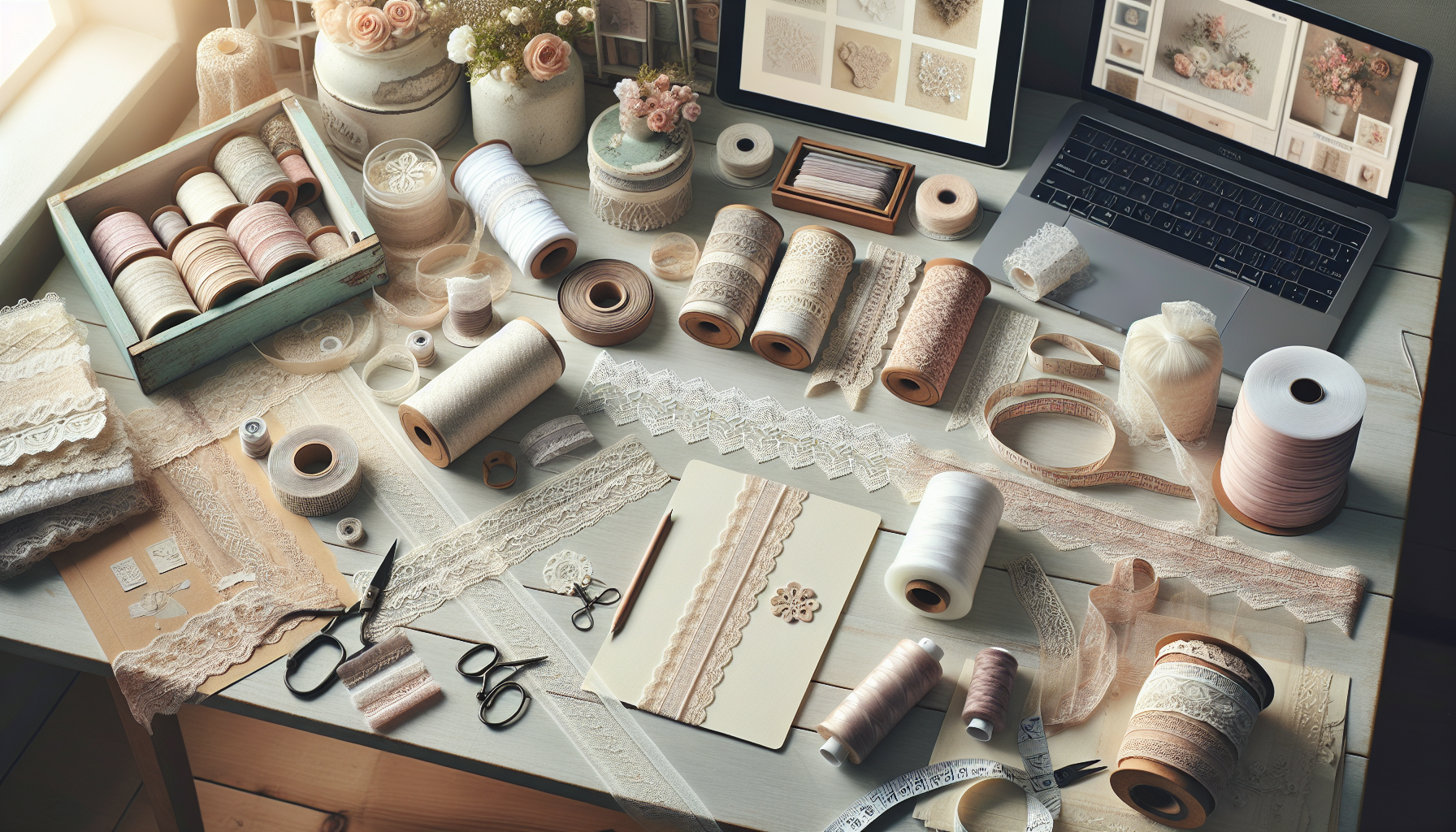
Lace ribbon is a decorative ribbon with an openwork, often delicate pattern that gives a romantic and handmade feel to everything from clothes to interior details. Unlike smooth satin ribbons or dense velvet ribbons, lace ribbon is airy and patterned, allowing the underlying surface to show through and creating a more lively expression. It is precisely this combination of simplicity and elegance that makes lace ribbon a favorite in many creative homes.
Lace ribbon compared to other decorative ribbons
When choosing ribbons for your projects, it's good to understand how lace ribbon differs from other ribbon types:
-
Lace ribbon: Openwork, detailed, and soft – perfect for romantic, vintage-inspired, and boho projects.
-
Satin ribbon: Shiny surface, smooth, and dense – suitable for gift wrapping, bows, and more classic decorations.
-
Velvet ribbon: Soft with a fuzzy surface – gives a luxurious, autumnal, or wintry feel, often used in hair accessories and party decorations.
Lace ribbon is therefore excellent when you want to add texture and pattern without weighing down the overall look. At Hilmaspyssel.se, you'll find many variants designed specifically to match other ribbons and decorative materials in the same project.
Uses and why lace ribbon is so rewarding
Lace has been used for centuries in clothing and ceremonial garments, but has seen a strong resurgence in modern DIY culture. Today, we see lace ribbon in everything from christening and wedding decorations to scrapbooking, card making, children's crafts, and home décor. A simple glass becomes a vintage vase with a strip of lace around it, an ordinary cushion suddenly feels unique with a lace edge, and an invitation immediately gets a "handmade luxury" feel with a small piece of lace.
For beginners, lace ribbon is especially rewarding: it's easy to cut, easy to attach with glue or a few simple stitches – and provides an instant wow effect without advanced techniques. Therefore, lace ribbon is one of the most affordable ways to transform simple materials into something personal and professional. Hilmaspyssel.se gathers these possibilities in one place, so you can quickly find the right lace ribbon for your first (or next) creative project.
Types of lace ribbon at Hilmaspyssel.se – materials, widths, and styles
When you start planning a project with lace ribbon, you'll quickly notice that material, width, and style make a big difference to the final result. At Hilmaspyssel.se, there is a wide range of lace ribbons online, and by understanding the differences between the most common variants, it becomes much easier to choose correctly from the start.
Materials: cotton lace, synthetic lace, and elastic lace
-
Cotton lace: Natural, soft, and slightly matte in appearance. Perfect for textiles, cushion covers, tablecloths, and shabby chic interiors where you want a rustic, genuine feel.
-
Synthetic lace (e.g., polyester): Often shinier and more durable, good for card making, decorations, and wedding details that need to hold their shape. Fray less and are easier to glue.
-
Elastic lace: Contains stretch and is primarily used for headbands, clothing, baby accessories, and covered headbands where fit is important.
-
Decorative lace with ribbon or embroidery inserts: Provides more volume and is suitable for gift wrapping, vases, lanterns, and larger decorations.
A good approach is to always start from the base material: fabric projects often benefit most from cotton or elastic lace, while paper crafts and glass decorations work excellently with synthetic lace that tolerates glue better.
Widths, styles, and how to use the filters on Hilmaspyssel.se
On Hilmaspyssel.se, you can filter lace ribbons by width, color, and pattern, which saves a lot of time when you have a clear idea:
-
Narrow lace ribbons (approx. 5–15 mm): Ideal as discreet edges on cards, invitations, place cards, small glass jars, or as decoration on seams in clothing.
-
Medium-width lace ribbons (approx. 15–30 mm): Good "all-round width" for napkin rings, simple headbands, cushions, and towels.
-
Wide lace ribbons (30 mm and up): Creates statement details on runners, chair backs, vases, lanterns, and wedding decorations where the lace should take center stage.
In terms of style, you'll find everything from vintage and romantic lace with floral patterns to more minimalist, geometric patterns that suit modern interiors. A concrete tip is to choose narrow, simple lace ribbon when you want to complement other decorations, and wide, richly patterned lace when the ribbon itself should be the main focus of your design.
How to choose the right lace ribbon for your project
Choosing the right lace ribbon is crucial for both the appearance and durability of your project. Many people settle for "some white lace ribbon," but the difference between a thin decorative ribbon for card making and a thicker cotton lace for textiles is enormous – both in feel, price, and result. Here, we'll go through how to make a thoughtful choice before you click home your favorites from Hilmaspyssel.se.
Questions to ask before buying lace ribbon
Always start by defining the purpose:
-
What type of project? Clothes, wedding invitations, table settings, interior details, or children's crafts require different types of lace.
-
How much wear and tear? A headband or cushion cover is washed and used often – here, a thicker cotton lace or elastic lace works better than a delicate decorative lace.
-
What feeling do you want to create?
-
Romantic/vintage: off-white, cream, or ivory lace with a detailed pattern.
-
Stylish/minimalist: narrow, simple lace ribbons in white or black without too much fuss.
-
Rustic/boho: cotton lace in natural tones, preferably combined with jute/twine.
Practical examples:
- Wedding invitations: narrow, elegant white lace that doesn't add too much bulk to the card.
- Cushion covers: wider cotton lace that can withstand washing and feels sturdy.
- Headbands: elastic lace ribbon for a good fit and comfort.
Color choices and how to calculate the amount of lace ribbon
The color affects the overall impression more than many people think. White and cream are classics for christenings and weddings, while pastels give a soft, romantic expression in children's rooms and scrapbooking. If you want to create contrast, choose dark lace on a light background or vice versa – perfect for modern, graphic decorations.
To calculate how many meters you need, you can use a simple rule of thumb:
- Measure the area you want to edge (e.g., around a tablecloth or a card).
- Add 10–15% extra for corners, mistakes, and any test pieces.
- For gathered or pleated lace: multiply the length by 1.5–2 times depending on how much gathering you want.
By considering the project, wear, feel, color, and quantity before ordering, it will be easier to find the right product in the Hilmaspyssel.se selection and more economical in the long run – you buy what you actually need, and get a more professional final result.
Creative DIY ideas with lace ribbon from Hilmaspyssel.se
Lace ribbon is one of the most rewarding materials for DIY projects because it immediately gives a more thoughtful and personal feel, even in simple crafts. In this section, you'll get concrete ideas you can try directly with lace ribbons from Hilmaspyssel.se – whether you're crafting for a wedding, christening, party, or just want to refresh your home with small touches.
Simple decorations for home and party
-
Decorated glass jars and vases: Use a wider cotton lace ribbon around the middle of a glass jar or vase. Attach with a hot glue gun and tie a jute string over the rim. Perfect as a lantern or table decoration.
-
Personalized napkin rings: Cut pieces of narrow lace ribbon (approx. 15–18 cm), form them into rings, and secure the ends with a hot glue gun or needle and thread. Add a small charm or bead for extra detail.
-
Lace edge on towels and pillowcases: Sew a medium-narrow, slightly sturdier lace ribbon along the edge of kitchen towels, pillowcases, or tablecloths for an instant "boutique feel."
For all these projects, a pair of scissors, a hot glue gun or sewing machine, and a meter or two of lace are often enough. Feel free to start with a smaller project to get a feel for how the material behaves before moving on to larger interior design ideas.
Accessories and cards – small projects with a big impact
-
Headbands and bows: Choose elastic lace ribbon for headbands for children and adults. Measure the head circumference, subtract 2–3 cm for a good fit, sew the ends together, and decorate with a bow made of regular lace ribbon.
-
Clips and brooches: Glue narrow pieces of lace onto metal clips or brooch bases and complement with a button or flower in the center. A perfect way to use up small scraps.
-
Cards, invitations, and tags: Combine narrow, decorative lace ribbons with natural paper, stamps, and twine. Attach the lace with double-sided tape for a smooth, professional result without messy glue.
Consider creating "sets": make matching cards, napkin rings, and jar decorations using the same lace for a cohesive theme for a wedding, christening, or party. At Hilmaspyssel.se, you can easily filter for lace ribbons in the same color scheme and style, making it easy to create a common thread through all your DIY projects.
Step-by-step guide: Make your own wedding decorations with lace ribbon
Lace ribbon and weddings go hand in hand – which is why DIY wedding decorations with lace are one of the most sought-after ideas in the crafting world. With the right planning, you can create a common thread throughout the entire wedding: from invitations and table settings to bouquets and chair decorations, with materials from Hilmaspyssel.se as a base. Here, you'll find a concrete, actionable step-by-step guide that takes you from idea to finished result.
Plan style, color theme, and materials
Start by deciding on the overall feel:
- Rustic/country: natural paper, jute, cotton lace ribbon, hemp twine
- Elegant/classic: white or cream lace ribbon, satin ribbon, pearls
-
Boho/romantic: soft lace, pastel colors, silk ribbon, dried flowers
Create a simple material list before ordering:
- Lace ribbon in 2–3 widths (e.g., narrow for invitations, wider for chairs and vases)
- Complementary ribbons: satin, organza, or jute from Hilmaspyssel.se
- Base materials: natural paper, blank cards, glass jars, fabric napkins, chair sashes
-
Fasteners: double-sided tape, glue stick, hot glue gun, possibly fabric glue
Also consider quantity: count the number of guests, chairs, rows of benches, and tables, and add 10–15% extra lace for mistakes and last-minute ideas.
Example project: Wedding invitations with lace ribbon – step by step
- Cut and fold the card base
- Fold thicker natural paper to the desired format (e.g., A6).
- Measure the lace ribbon
- Place the lace around the front of the card where you want the decoration.
- Add approx. 1–2 cm extra to the length for neat finishes.
- Cut and prepare all ribbons
- Cut all pieces at once – this saves time and gives a consistent look.
- Attach the lace ribbon
- For paper, double-sided tape or a good glue stick works excellently.
- Apply the adhesive to the paper, not the lace, to avoid visible glue stains.
- Add extra ribbon and details
- Tie a narrow satin ribbon on top of the lace for extra dimension.
- Finish with a small charm or wax seal for an exclusive feel.
- Test a sample card first
- Adjust placement, lace ribbon width, and amount of decoration until you are satisfied.
Then use the same type of lace ribbon for place cards, programs, and menus for a cohesive overall impression.
More wedding details with matching lace ribbon
Once the invitations are ready, you can reuse the same lace ribbon theme in the rest of the decorations:
- Chair decorations: Tie a wide lace ribbon around the chair back, complement with jute or satin ribbon in the same color scheme.
- Bouquet wraps: Wrap lace ribbon around the bouquet stems, secure with discreet pins or a hot glue gun, and cover the fasteners with an extra layer of ribbon.
-
Vases and lanterns: Place lace around glass jars and cylinder vases for a soft, romantic table decoration.
By gathering all ribbons, strings, and decorations from Hilmaspyssel.se, you ensure both color matching and stylistic consistency – and make purchases much smoother. With a clear plan and these step-by-step instructions, your homemade wedding decorations will not only be beautiful, but also durable and professional.
How to attach, sew, and glue lace ribbon – technical tips for durable results
Attaching lace ribbon neatly and durably is crucial for the final result – whether you're decorating a wedding card or sewing a lace edge on a dress. In this section, we'll go through the most common techniques and highlight both pros and cons, so you can avoid unnecessary failures and fully utilize the lace ribbons from Hilmaspyssel.se.
Sewing techniques for lace on fabric
-
Straight stitch for clean edges: Sew the lace ribbon along the edge with a straight stitch about 2–3 mm in from the inner edge of the ribbon. Perfect for cushion covers, tablecloths, and clothes where you want the lace to lie completely flat.
-
Zigzag for elastic lace: When working with elastic lace ribbon (e.g., headbands, underwear), a narrow zigzag stitch provides flexibility without the thread breaking when the fabric stretches.
-
Topstitching for decorative effect: Sew a visible seam on top of the lace ribbon with matching or contrasting thread for a defined, professional look.
Always test settings on a scrap piece of both fabric and lace before starting your actual project. Adjust thread tension and stitch length until the lace doesn't pucker or pull the fabric.
Gluing, tape, and clever tricks for paper, glass, and wood
-
Paper & cardboard: Use acid-free glue or double-sided tape for card making and scrapbooking. Apply glue in thin lines along the denser parts of the lace to avoid messy spots that show through.
-
Glass, metal & wood: Here, a hot glue gun or strong universal glue works best. First, attach at a few points, adjust the position, and then secure along the entire ribbon.
-
Quick decorations: Double-sided tape is ideal for temporary decorations, such as lanterns and gift wrapping that don't need to last for years.
To prevent lace ribbon from fraying, you can: lightly heat the edges of synthetic lace, use fray check, or fold in the edge 2–3 mm before sewing or gluing. Always finish ribbon ends at corners with a small diagonal cut and overlap them for a neat appearance.
Tools, preparations, and a quick checklist
For best results, it pays to have the right basic equipment ready:
-
Fabric scissors and paper scissors – keep them separate for sharp, clean cuts
-
Pins or clips – clips are especially good for delicate lace that easily gets pinholes
-
Fabric glue and hot glue gun – one for soft projects, one for hard surfaces
-
Measuring tape and ruler – ensures the ribbon is straight and the length is sufficient
Make it a habit to always:
- Measure and test placement before permanent attachment
- Test glue or seam on a scrap piece
- Check that the lace ribbon's color and thickness suit the background
With thoughtful techniques and the right tools, your projects will be both beautiful and durable – and you can confidently order your lace ribbons from Hilmaspyssel.se knowing they will be fully utilized.
Care, storage, and smart shopping for lace ribbon at Hilmaspyssel.se
Care and smart storage determine how long your lace ribbons stay beautiful – especially if you build up a small "ribbon stash" at home. In this section, you'll get both practical washing advice and a concrete buying strategy for using Hilmaspyssel.se in the best way, whether you're sewing, scrapbooking, or making wedding decorations.
How to store and care for your lace ribbons
-
Store on spools or cardboard: Roll up lace ribbons on empty ribbon spools, pieces of cardboard, or clothespins to avoid tangles, creases, and damage to the pattern.
-
Protect from dust and sun: Store in boxes or zip-top bags. Sunlight can yellow white lace over time, especially cotton lace.
-
Smooth out wrinkled lace: Lightly moisten with a spray bottle and press with an iron on low heat and a pressing cloth. Always test on a small piece first, especially with synthetic lace.
- Wash textiles gently:
- Hand wash or use a gentle cycle in a laundry bag for delicate lace
- Use mild detergent and avoid bleach
- Air dry flat or hang – avoid tumble drying for elastic lace
By treating lace like a delicate garment, you significantly extend its lifespan, which in turn makes your projects more sustainable – both environmentally and economically.
Smart shopping strategy at Hilmaspyssel.se
When you buy lace trim online, it pays to think a few steps ahead:
-
Compare widths and price per meter: A slightly more expensive, but wider trim can be enough for more projects than a narrow one – look at the product description and quickly calculate the total cost per project.
- Buy an extra meter:
- For weddings, baptisms, and larger table settings: add at least a 10–20% margin for mistakes, test pieces, and spontaneous details.
- Match materials directly:
- Combine lace trim with satin ribbon, jute ribbon, cords, buttons, and charms in the same order. This saves both shipping and time and ensures a cohesive style.
- Plan by season:
- Spring–summer: weddings, graduations, baptisms – focus on white and cream-colored laces in several widths.
-
Autumn–Christmas: darker lace, burgundy, dark green, and natural colors for Christmas crafts and gift wrapping.
By combining good care routines with well-thought-out purchases at Hilmaspyssel.se, you build up a small, well-organized lace stock at home. Then you always have the right trim ready when creativity strikes – without last-minute panic orders.
Frequently asked questions about lace trim and Hilmaspyssel.se
Q: Which lace trim is best suited for weddings – and what should I consider?
A: For weddings, cotton lace and romantic synthetic lace in white, cream, or ivory are usually safe bets. Choose narrower lace (5–20 mm) for invitations, bouquet wraps, and place cards, and wider lace (30–80 mm) for chair decorations, banners, and table settings. Consider: 1) Durability – should it withstand transport and handling? 2) Style – rustic (natural colors, jute ribbon + lace) vs. elegant (satin + delicate lace). On Hilmaspyssel.se, you can filter by both color and width to quickly find the right type for your theme.
Q: Does lace trim fray easily, and how can I prevent it?
A: Yes, many lace trims can fray at the ends, especially woven varieties. You can prevent this by:
-
Sealing the edge with fabric glue or fray check
-
Folding in the end 0.5–1 cm and sewing a seam or securing with glue
-
Using heat sealing on synthetic lace (very gentle heat with a heat tool – never directly on the trim without caution)
Always test on a scrap piece first, especially if you are working with delicate materials.
Q: How much lace trim should I order for a larger project?
A: First, calculate an approximate length per unit, for example, 1 chair, 1 invitation card, or 1 glass jar. Then multiply by the number and add at least a 10–15% margin. Example: 0.6 m of lace per chair × 40 chairs = 24 m. In practice, add 27–28 m to your cart. It is cheaper and safer to have a little left over than to have to reorder. Hilmaspyssel.se clearly shows the price per meter, which makes planning easier.
Q: Can I wash textiles with lace trim on them, and how do I do it safely?
A: Most cotton laces can withstand gentle machine washing, but thinner and more detailed lace often benefits most from hand washing at a low temperature. Use mild detergent, avoid bleach, and preferably place the garment in a laundry bag. Air dry flat or hang, and iron carefully on low heat with a pressing cloth if the lace has become wrinkled.
Q: What glues and fastening methods work best with lace trim on different surfaces?
A: Generally, the following applies:
-
Paper/cardboard: paper glue, double-sided tape, or a thin hot glue gun
-
Glass/metal/jars: hot glue gun or strong craft glue
-
Fabric: sewing or fabric glue if you don't want to sew
Always apply a thin, even layer of glue so that it does not bleed through the holes in the lace, and allow time for drying before further handling the project.
Q: What is the advantage of buying lace trim online at Hilmaspyssel.se compared to a physical store?
A: Online, you get a larger selection, clear product images, length specifications, and price per meter, which makes it easier to compare styles and colors. You can plan the entire project at your leisure, add matching ribbons, cords, and decorations to the same order, and often take advantage of promotions. For crafters planning for weddings, baptisms, or Christmas, it is especially valuable to be able to order everything at once and avoid chasing down complementary items at the last minute.
Conclusion: How to take your creative projects with lace trim to the next level
Lace trim proves, as we have seen throughout this guide, to be one of the most versatile materials for sewing, scrapbooking, home decor, and wedding decorations. You now know what lace trim is, what different materials and styles are available, how to choose the right variant for your project, and how to attach, sew, glue, and care for lace in a sustainable way. Together with the many DIY ideas and wedding projects, you have a complete toolbox for creating personal and professional results at home.
The next step is to put inspiration into practice: choose a simple project – perhaps decorated glass jars or personalized invitation cards – and test the techniques and tips you have received here. Visit Hilmaspyssel.se to explore the full range of lace trims, filter by width, color, and style, and complement with matching ribbons, cords, and decorations. This way, you will have both the right materials and the right knowledge to create unique, durable, and beautiful creations that truly make a difference in your home and at your festivities.