


Jewelry Components – Your complete guide to everything you need to know
Do you want to create your own jewelry that combines personal style with long-lasting durability? Then it's important to understand the basics of jewelry components – the building blocks that give every piece of jewelry both function and character. Whether you're a beginner or an experienced jewelry maker, knowledge of clasps, chains, beads, pendants, and various materials is crucial for success in your projects.
In this guide, we answer common questions about what components are needed, how to choose the right parts for your ideas, and how different materials affect both style and user experience. Join us as we highlight tips, trends, and professional insights for those who want to create jewelry that truly stands out and lasts over time!
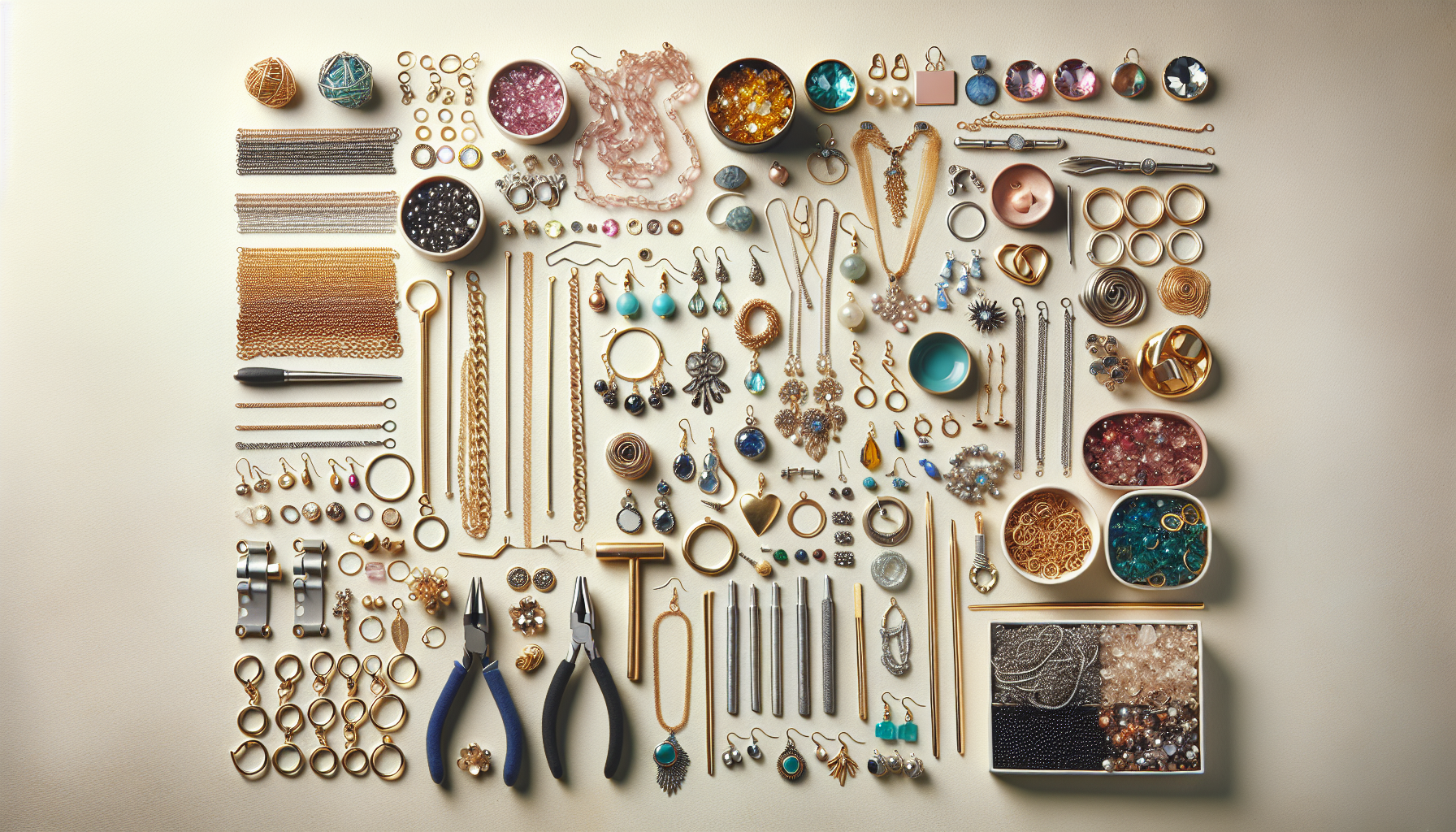
To create jewelry that truly stands out requires not only creativity and a sense of form, but also an understanding of what jewelry components are and their significance. Jewelry components is the collective name for all the small, yet crucial components that together build a complete piece of jewelry – everything from clasps and chains to beads, pendants, and findings. These parts not only form the basic structure of the jewelry but also determine how the jewelry looks, how it feels to wear, and how long it lasts.
The role of jewelry components in function and style
- Fastenings: These ensure that the jewelry stays in place and lasts over time. There are many different clasp types depending on the jewelry's intended use and design.
- Chains and wires: The backbone of bracelets, necklaces, and earrings. The choice of chain affects everything from comfort to style.
- Decorative parts: Beads, stones, pendants, and charms give each piece of jewelry a unique character and allow for personal expression.
- Findings and connectors: Small but important components that bind other parts together and create a professional, finished look.
- Material and quality: Different metals and material choices – from silver and gold plating to steel and base metals – affect the jewelry's lifespan and feel.
The advantage of understanding the different parts is that you gain better control over both the design process and the end result. Well-considered choices mean that the jewelry achieves the right balance between aesthetics and functionality.
How the right jewelry components affect design and user experience
Combining the right jewelry components means that the jewelry will be both beautiful and durable. For example, a necklace can become extra practical with an extender chain, while a bracelet gets an exclusive finish with the right end components. The choice of material – such as selecting nickel-free parts if you are sensitive – makes the jewelry more user-friendly and gives it a longer lifespan. A well-designed piece of jewelry is not just about its appearance, but just as much about the experience when it is used and worn in everyday life.
By understanding and exploring the variations and possibilities of jewelry components, you lay the foundation for personal, durable, and stylish jewelry that lasts over time and stands out from the crowd.
Fastenings – Clasps, hooks, and safety in focus
Choosing the right fastening is crucial for both the security and feel of your jewelry. A piece of jewelry is much more than just aesthetics; the right clasp ensures that necklaces, bracelets, and other jewelry stay where they should – and at the same time adds a stylish and professional finish. Whether you create jewelry for everyday wear or festive occasions, the choice of fastening is something that should not be underestimated. Top-ranked guides like Smyckesdelar.org highlight how hooks, lobster clasps, magnetic clasps, and bayonet clasps are central components that hold the entire design together.
The most common types of jewelry fastenings
- Lobster clasps: Very popular and durable clasp type suitable for both bracelets and necklaces. Easy to open and close yet secure for daily use.
- Magnetic clasps: Perfect for those who want a smooth and quick solution, especially good for those with reduced dexterity.
- Bayonet clasps: An exclusive solution, often in sterling silver like Bayonet clasp 1.2mm, 925, for those seeking both security and elegance.
- Toggle clasps and S-hooks: Provide a modern or rustic expression and can become a decorative detail in the jewelry.
- Extender chains: Allow for adjustable length and increase the jewelry's usability.
By adapting the clasp type to the area of use and the style of the jewelry, you get both function and character. For example, small magnetic clasps are perfect for thin chains, while robust lobster clasps provide extra security on heavier jewelry.
Security, style, and user-friendliness
A smart fastening not only provides security but also elevates the entire piece of jewelry from a design perspective. The right clasp can become a stylish detail that enhances the design's feel and professionalism. Always consider what needs you or the recipient have – is it a piece of jewelry to be worn daily or saved for special occasions? Is extra security needed, or is quick on-and-off most important? Also consider hypoallergenic options and durability over time. This way, you maximize both the pleasure and value of your finished jewelry – with the right fastening serving as both decoration and function!
Chains & Wires – The backbone of many jewelry pieces
When it comes to jewelry making, chains and wires are two of the most fundamental yet crucial jewelry components. The right choice of chain or wire forms the base of your jewelry and determines both its durability and visual expression. Different projects require different properties – everything from thin and delicate chains for discreet necklaces to robust links that become a focal point. Wires are indispensable when working with beads and give you the flexibility to create both classic and trendy designs.
Different types and their uses
- Anchor, curb, and Venetian chains: Each chain type has its unique appearance and function in the design, where, for example, anchor and curb chains are perfect for heavier pendants, while the Venetian chain is popular for thinner, elegant necklaces.
- Ball and snake chains: Ideal for minimalistic bracelets or as a base for stylish pendants.
- Textile and steel wires: Perfect for beading projects where you need both flexibility and strength. Nylon threads provide a light and soft expression, while steel wires provide stability for more advanced constructions.
- Elastic threads: Often used for children's and stretch bracelets, where the jewelry should be easy to put on and take off.
-
Color, material, and surface: In addition to shape, the choice of chain or wire material (silver, gold, steel, leather, waxed cotton) and surface treatment (matte, shiny, oxidized) are also crucial for the jewelry's character.
Choosing the right base is an art – consider the jewelry's function, the style you want to create, and what additional parts will be attached or threaded onto the chain or wire.
Design possibilities and durability
Chains and wires not only serve as a frame but also open doors to creative solutions. By combining different thicknesses, materials, and colors, you can create a personal expression or highlight certain details in the design. For durable jewelry, stainless steel or genuine silver is recommended, especially if the jewelry will be worn often. Don't forget to consider hypoallergenic options for increased user-friendliness. Finally, dare to experiment and let chains and wires become an active part of the jewelry's design, not just its supporting structure – small variations can have big effects.
Pendants, lockets, and charms – Personal touch and decorative focus
Pendants, lockets, and charms are the jewelry components that most personalize a piece of jewelry. While chains and clasps form the foundation, it's details like pendants and charms that truly catch the eye and often carry symbolic or emotional value. Inspiration is drawn from both classic and modern expressions – everything from discreet pearl pendants to large statement charms, and they make it possible to create unique jewelry for every occasion.
Create personal and expressive jewelry
- The meaning of pendants: Pendants serve as the centerpiece of jewelry, whether it's a small heart on a bracelet or a detailed locket on a chain. They are used to highlight a theme, feeling, or personal interests, and the jewelry maker can choose from a multitude of motifs, materials, and shapes.
- Locket and charms: Lockets often open and can hold small pictures, messages, or other memories – making them excellent gifts or memorial jewelry. Charms in the shape of animals, letters, and symbols evoke emotions and build stories around the wearer.
-
Choosing the right pendant: When creating or choosing pendants, consider size and weight as well as style and function. A heavy pendant requires a stronger chain, while small and light charms are best suited for thinner links or for combining in groups.
There is also the possibility of using several pendants together to create layer-on-layer effects, which is a popular trend in both classic and modern jewelry. Mixing different metals, glass beads, or natural materials gives a personal touch and enhances the jewelry's character.
Maximize variation possibilities
By experimenting with different hanging devices, such as jump rings, crimp beads, or small lobster clasps, you can quickly change out or adapt pendants according to mood, season, or outfit. Being able to swap out pendants and charms without having to redo the entire piece of jewelry makes it easy to refresh and individualize your style. Always choose high-quality jewelry components so that your personalized jewelry lasts over time and continues to tell your story in the best way.
Beads and Stones – Color, shape, and value
Beads and stones are the heart of many jewelry pieces and have the ability to transform a simple design into something unique and expressive. They not only add luster and color but can also contribute significant economic and emotional value to the jewelry. With the right choice of beads and stones, you can take your jewelry projects to new heights, both in terms of style, quality, and personal touch.
Different materials and their properties
- Genuine pearls and gemstones: These natural materials are sought after for their beauty and exclusivity. They are often used in finer jewelry and are associated with luxury and long life.
- Cultured and synthetic varieties: Cultured pearls and lab-created stones are popular alternatives due to their uniform color and shape, as well as lower price. They are perfect for those who want to create beautiful but affordable jewelry.
- Glass, ceramic, and wood: These materials provide variation, texture, and the opportunity to play with different color palettes and surfaces.
When you combine colors and shapes, you create personalized jewelry that stands out. Consider contrasts and tone-on-tone effects, and feel free to mix matte, shiny, or transparent surfaces for more dynamism.
How beads and stones affect your jewelry
Beads and stones are not just decorative. They also affect the feel, weight, and overall impression of the jewelry. A heavy gemstone becomes an elegant statement, while small, shimmering glass beads create playfulness and movement. Consider:
- Durability: Some stones and beads are delicate and require careful handling.
- Color psychology: Colors convey emotions – blue tones often feel calm, while reds are perceived as dramatic.
- Symbolism: Many stones and beads have special meanings, such as moonstone for new beginnings or sapphire for wisdom.
Choosing beads and stones is therefore more than just an aesthetic decision – it's about giving the jewelry a unique soul and a message that lasts.
Findings, Gilding, and Connectors – Stylish transitions and stability
When you want to give your jewelry a professional and durable impression, findings, gilding, and connectors are indispensable. These small but important jewelry components act as bridges and fasteners that hold different components in place, create stylish transitions, and contribute to stability. Often, the difference between a homemade and a truly well-made piece of jewelry is precisely the availability and use of the right small parts – an area where many underestimate their role in the overall picture.
Create dynamism and balance in design
- Findings are used to separate beads, stones, or other elements so that each component has space to be seen. They come in a multitude of shapes, materials, and sizes – from simple round beads to decorative patterns in genuine silver or gold plating.
- Gilding (end caps and crimp covers) are used to finish wire or thread in a neat and durable way and to hide knots or attachment points, which enhances the visual impression.
- Connectors serve as linking units between different parts – e.g., between a chain and a pendant, between charms, or as central elements in a bracelet or necklace.
- Careful use of these parts extends the jewelry's durability while opening up new creative design possibilities.
By experimenting with different types of findings, you can easily create patterns, playfulness, and variation. For example, using small wheels between colored beads makes each color stand out more clearly – or you can let metallic findings contrast with natural materials for a modern, contrasting effect.
Tips for a professional finish
Always choose findings and connectors that match the material of your jewelry to avoid rapid wear. Gilding in genuine silver or gold plating gives an exclusive feel and longer durability, even for everyday jewelry. Don't hesitate to use several different types of small parts together in new ways – it might be precisely the combinations that make your jewelry unique and personal. Remember that the quality of these small details affects both appearance and lifespan.
Investing in a small basic stock of useful findings means you can quickly and easily give your jewelry an elegant and finished look, ready to impress for both everyday and special occasions.
Metals, materials, and quality – Safe choices for durable jewelry
Choosing the right metal and material is one of the most crucial factors when it comes to jewelry components and how long the jewelry will last. Whether you want to create trendy accessories or timeless classics, the choice of base material plays a central role in both durability and comfort. Top-rated stores and guides emphasize the importance of sterling silver, surgical steel, and hypoallergenic metals, but also the differences between gold-plated and cheaper base metals. Understanding these differences helps you avoid common allergies and create jewelry that both feels and looks exclusive.
Material choice – from sterling silver to base metals
- Sterling silver (925 silver): Very popular due to its durability, hypoallergenic properties, and exclusive feel. Particularly suitable for jewelry worn daily where long life is a requirement.
- Surgical steel: Unbeatable for people with nickel sensitivity, extremely durable, and affordable for everyday jewelry.
- Gold-plated: A good middle ground for those who want a gold appearance without paying for solid gold, but wear and tear may become visible over time.
- Base metals: Often used for larger, trendier jewelry where price is important – however, you should always be aware of nickel and allergens.
- Nickel test: Consider using Chemo Nickel Test from the pharmacy to ensure that the metal parts are nickel-free.
Being aware of the different properties of materials allows you to adapt each project based on both style and end-user. For example, you can choose surgical steel for earrings for sensitive ears, or sterling silver for handmade gifts that need to withstand long-term use.
Quality and user experience
High material quality not only makes the jewelry look better and last longer – it also increases its value and the joy of wearing it. Many manufacturers now also offer options with environmentally friendly metals and recycled materials. Consider who will use the jewelry and in what situations. If you are manufacturing for sale, you quickly build a good reputation with products that do not lose their luster or cause allergies, and you save on complaints and adjustments.
In summary, every jewelry maker should have basic knowledge of the properties of metals and always consider both quality and sensitivity when choosing jewelry components. It is an investment in user-friendliness, aesthetics, and long-term enjoyment.
Trendy and classic styles – Jewelry components through the ages
Designing jewelry involves interpreting current trends as much as being inspired by timeless classics. Jewelry components are key to creating both modern expressions and traditional elegance, whether you follow the season's latest color palettes or build upon vintage favorites. By knowing popular styles and classic elements, you can vary your projects and create jewelry that feels both unique and adapted to your own taste.
Be inspired by trends and timeless craftsmanship
- Geometric shapes and minimalist design are a strong trend where simple chains, small metal rings, and discreet pendants dominate. These jewelry components give a contemporary impression and can easily be combined with personal details, such as initial charms or small gemstones.
- Colorful beads, larger pendants, and statement pieces are often seen in the season's fashion image and add playfulness as well as the possibility for personal expression.
- Vintage elements such as lockets, filigree, and antique finishes continue to be popular among those who seek the timeless and nostalgic in their jewelry.
- For a bohemian look, feathers, wood and leather details, and beads in earthy tones are often used.
Combining these styles, such as mixing gold-plated chains with colored glass beads or matching classic silver components with trendy pendants, opens the door to entirely new expressions and personalized jewelry.
Create your own style with conscious choices
By choosing jewelry components from both current trends and classics, you can create jewelry that feels right for all occasions. A tip is to let a certain style dominate, but at the same time add small unexpected details – perhaps a vintage charm on a sleek bracelet, or colored beads among minimalist links. In this way, you build a collection that is both personal and functional.
Don't be afraid to experiment! Jewelry design is about expressing who you are, whether you are most inspired by the latest or the classic.
Tips for purchasing and best practices – Find the right jewelry components for your project
Choosing and purchasing the right jewelry components is crucial for success with both small and large jewelry projects. The digital market offers an enormous selection, but it's important to know what is truly needed to increase both quality and creativity. By using quality jewelry components, you build stable, beautiful, and durable jewelry – while also increasing opportunities for personal design and unique style.
How to find suppliers and make smart purchases
When you are going to buy jewelry components, there are a few key factors to consider:
- Choose reliable and reputable suppliers who offer solid product information, good customer service, and the possibility to test products, for example, to ensure nickel-free or hypoallergenic parts.
- Price versus quality – It often pays to invest in better materials such as 925 sterling silver or surgical steel, as the jewelry lasts longer and retains its luster.
-
Have basic parts at home such as different types of clasps, chains, connectors, and ear hooks – these work in most projects and simplify the creation of personal jewelry.
To avoid unnecessary purchases, it is wise to plan your projects in advance and buy in larger packages for a more favorable price. Don't forget to use recommended tests, such as the Chemo Nickel Test, if you are unsure about the material.
Practical advice and purchases that pay off
Stocking your craft supplies in a structured way not only provides peace of mind but also makes creation smoother. Invest in sought-after components in neutral colors, but also dare to try trendy or unusual parts to broaden your repertoire. Remember to shop seasonally when the selection is at its best, and keep an eye out for offers at larger retailers. By comparing the assortment of different stores and reading reviews, your purchase will be both smarter and more inspiring.
Having the right jewelry components at home is the key to creative, durable, and personal jewelry. Take advantage of the tips above – and you will quickly build up a well-stocked and useful supply of jewelry components!
Frequently Asked Questions
Q: What is the most important aspect to know about jewelry components?
A: The crucial aspect of jewelry components is that they serve as the foundation for the entire structure and appearance of the jewelry. The choice of the right components – from clasps and chains to beads, jump rings, and findings – not only affects the jewelry's durability and comfort but also your ability to create unique and personal designs. Understanding the function and quality of each jewelry component gives you more control over both the style and longevity of your jewelry.
Q: How do current trends influence the choice of jewelry components?
A: Trends in the jewelry world are constantly changing. Right now, we see a mix of minimalist silver details, colorful glass and stone beads, and large, vintage-inspired pendants. This means there is a high demand for both classic parts like timeless chains, but also modern components such as statement charms and specially shaped connectors. By following trends and combining different parts, you can create jewelry that feels both individual and current.
Q: What are the most common mistakes when working with jewelry components?
A: A common mistake is prioritizing price over quality – cheap parts can quickly lead to jewelry that loses color, rusts, or breaks. Other mistakes include choosing the wrong clasp mechanism for the jewelry's weight or not considering allergies and material sensitivities. It's also easy to forget nickel tests, which are important for both comfort and safety.
Q: What resources and tools are recommended for those who want to create their own jewelry?
A: In addition to a basic range of jewelry components, good pliers (round-nose pliers, flat-nose pliers, wire cutters), bead needles, and jewelry glue are very useful. Having a variety of clasps, chains, beads, and connectors makes it easier to experiment. There are also tests, such as the Chemo Nickel Test, to examine the quality and hypoallergenic properties of materials. Many online stores also offer guides, blogs, and instructional videos to help you further.
Q: What is the easiest way to get started working with jewelry components?
A: Start by deciding what type of jewelry you want to make – necklaces, bracelets, earrings, or rings – and then begin with a basic kit of jewelry components. Buy a few different types of clasps, chains, beads, and findings. Follow step-by-step guides online or watch instructional videos often found at craft stores online. Don't be afraid to experiment and combine different materials and styles – practice quickly leads to skill and inspiration!
The path to creative and durable jewelry begins with the right jewelry components
By delving into the world of jewelry components, we have discovered how important each component is for creating unique, durable, and personal jewelry. From clasps that guarantee security to beads, stones, chains, and special details – everything plays a role in design, user experience, and durability. With knowledge of material selection, trends, and practical purchases, you can customize your projects and give them that extra touch that makes a difference.
Now it's time to put your knowledge into practice! Explore new combinations of jewelry components, dare to try different styles, and invest in quality components for long-lasting joy. Whether you are a beginner or an experienced jewelry maker, your next inspiring piece of jewelry is just a few components away. Start designing today – and let your creativity blossom with the right jewelry components!