


Needles and Accessories at Hilmaspyssel – How to Choose the Right Ones for Every Project
Tangling thread, skipped stitches, and small holes in the fabric – often, the problems are not due to your technique, but to the wrong needle and needle accessories. With the right needles, smart storage, and well-thought-out tools, sewing, embroidery, and quilting become both easier and more enjoyable. At Hilmaspyssel.se, you'll find a wide selection of needles and accessories for everything from everyday repairs to advanced craft projects, available directly as sewing supplies online.
In this guide, we'll go through which needles you need for different materials, which accessories truly make the biggest difference, and how to avoid common mistakes that ruin both fabric and mood. Step by step, you'll get practical tips, examples, and purchasing suggestions so you can build a smart, long-term sustainable needle and accessory collection using the range at Hilmaspyssel.
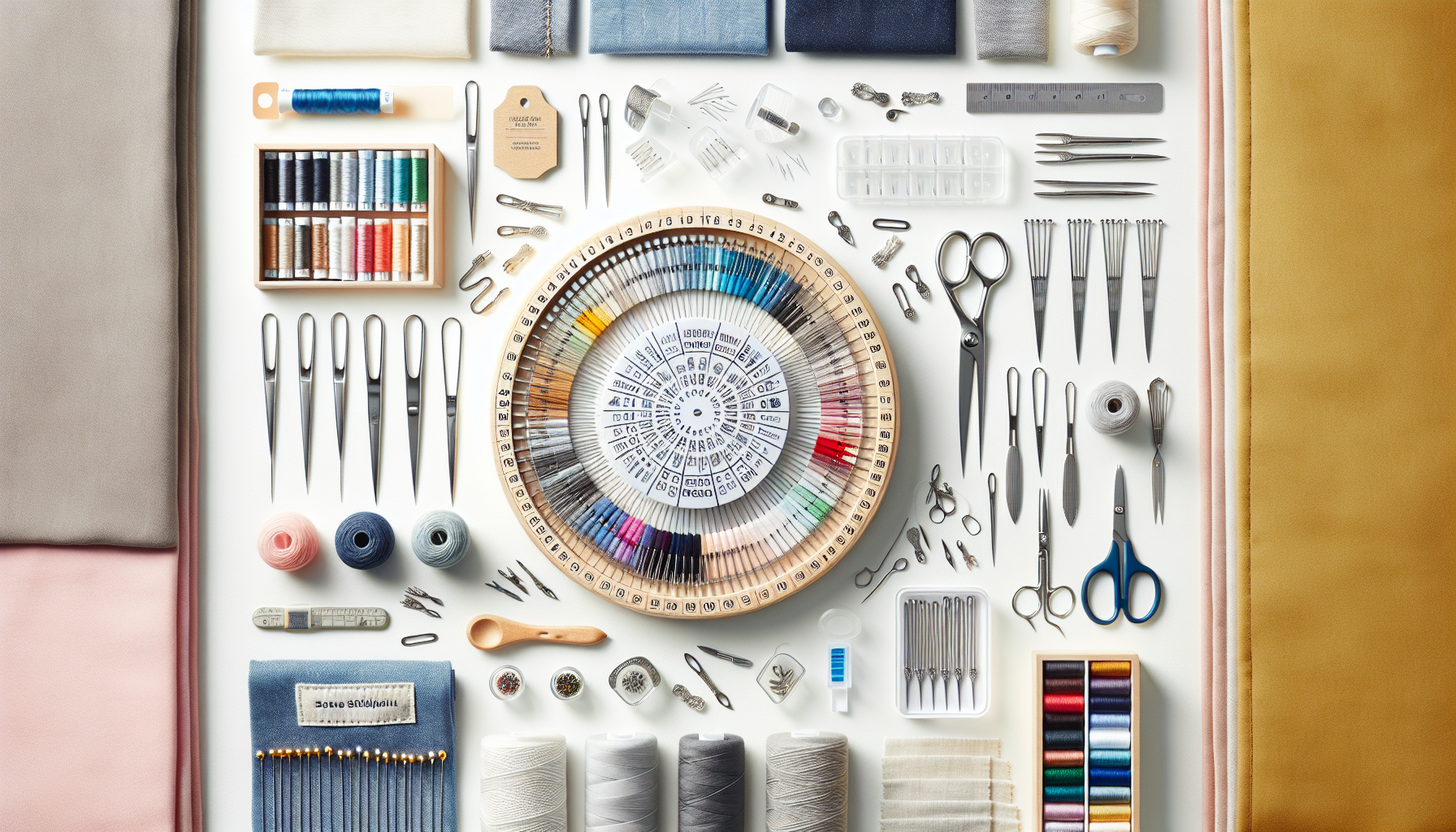
When talking about needles and accessories in sewing, embroidery, and quilting, one means much more than just "ordinary sewing needles." The most helpful online guides emphasize that the right needle is as important as the fabric and thread themselves – and that smart accessories save both time and fingertips. At Hilmaspyssel.se, these components are gathered in clear categories, making it easy for you to find everything you need in one webshop.
Different Types of Needles – More Than Just a Sewing Needle
Here are the basic needle types you'll most often encounter when shopping for sewing supplies online:
-
Sewing needles (hand needles): Classic needles for hand sewing in woven fabrics, available in various lengths and thicknesses.
-
Embroidery needles: Have a larger eye for stranded cotton and pearl cotton, often a slightly blunter tip to protect the fabric.
-
Darning needles and tapestry needles: Thicker needles with a large eye for yarn, wool, and assembling knitted garments.<
-
Quilting and patchwork needles: Thin and sharp to pass through multiple layers of fabric and batting without leaving large holes.
-
Machine needles: Specially adapted for different fabrics (e.g., denim, stretch, embroidery) and crucial for an even stitch in the sewing machine.
A simple way to think about it is: the finer and thinner the material, the thinner the needle – but always with the correct tip type for your specific project.
What is included in “needle accessories”?
Needle accessories are anything that makes work easier, safer, and more organized:
-
Needle books and needle cases: To sort needles by size and use, so you don't have to guess every time.
-
Pincushions: Classic fabric pincushions, wrist pincushions, and magnetic pincushions that keep needles easily accessible.
-
Needle threaders: Help you thread the needle quickly, especially valuable in dim lighting or with tired eyes.
-
Magnetic needle holders and plates: Perfect for when you drop needles on the table or floor – the magnet picks them up for you.
-
Needle and thread storage: Small cases, jars, and pouches that make it easy to bring needles to a class or sewing gathering.
By choosing quality needles and well-thought-out needle accessories – like those you find at Hilmaspyssel – you reduce the risk of damaged fabrics, sore fingers, and lost needles, and instead get neater seams and more enjoyable sewing time.
Different Types of Needles – Find the Right Needle for the Right Project
Choosing the right type of needle is one of the most important – but often most underestimated – parts of a successful sewing or embroidery project. The wrong needle can lead to skipped stitches, damaged fabrics, and unnecessary hassle, while the right needle ensures that thread, fabric, and technique work together perfectly. Here we review the most common needle types you'll find at Hilmaspyssel.se and when to use them.
Overview of the Most Important Needle Types
-
Sewing needles for handwork: Classic sewing needles come in various thicknesses and lengths. Thinner needles are suitable for dense, thin fabrics like cotton poplin and voile, while slightly thicker needles work better in, for example, denim and heavier linen fabrics.
-
Embroidery needles: Have a larger eye and often a slightly blunter tip. Perfect for stranded cotton, pearl cotton, and effect threads when embroidering on woven fabrics, kitchen towels, or Aida cloth.
-
Quilting and appliqué needles: Thin, sharp, and often a bit longer. They are designed to pass through multiple layers of fabric and batting without leaving large holes – ideal for patchwork and precision sewing.
-
Darning and tapestry needles: Thick needles with a large eye and blunt tip, suitable for yarn, wool, and assembling knitted garments. Perfect for securing threads, sewing seams, and repairing knits.
-
Special needles: For example, curved needles for hard-to-reach seams or needles with an extra-large eye for thicker threads and for those with tired eyes.
By recognizing these basic types, it becomes much easier to choose the right category in the webshop and avoid guessing your way through each new project.
Practical Examples and Quick Guide for Needle Selection
A simple way to start thinking correctly is to consider both material and thread. Some concrete examples:
-
Repairing jeans: Choose a sturdier sewing needle or special needle for denim, preferably a slightly larger size, along with strong denim or extra-strong thread.
-
Embroidering a cotton cushion cover: Use an embroidery needle with a larger eye and a size that fits your stranded cotton. For dense fabrics – go down a size for a neater hole pattern.
-
Quilting a patchwork quilt: Invest in thin quilting needles that easily pass through the top, batting, and backing. Combine with a fine quilting thread for even stitches.
-
Sewing knit fabric (e.g., children's clothes): Choose a needle specifically for elastic materials (stretch or jersey needle) that doesn't cut the stitches but slides between them.
A simple quick guide:
- Thin, delicate fabric + thin thread = thin needle
- Medium-thick fabric (regular cotton, linen) = medium size
- Thick fabric (denim, upholstery fabric, multiple layers) = sturdier needle
When you consistently match needle size and needle type with fabric and thread, you'll get neater seams, less frustration, and significantly more enjoyable time at the sewing table.
Needle-Related Accessories That Make Sewing Easier
The right needles are important – but it's often the needle accessories that determine whether your sewing feels smooth or frustrating. Here we review the most useful tools that complement your needles and make every project, from simple repairs to advanced quilting, both faster and more enjoyable. At Hilmaspyssel.se, you'll find many of these smart sewing supplies online in one place.
Important Needle Accessories in Everyday Sewing
- Needle threaders: Available as classic flat models, ergonomic versions with an easy-grip handle, and special models for those with poor eyesight. Perfect when sewing with thin thread or late at night when your eyes are tired.
- Pincushions:
- Wrist pincushion – ideal for quilting and trying on, you always have your needles with you.
- Magnetic pincushion – collects dropped needles in seconds.
- Classic textile pincushion – soft, gentle, and easy to label by size.
- Needle jars and needle books: Help you organize needles by type and thickness instead of everything ending up in the same jar.
- Magnetic needle holders and plates: Lie on the sewing table and make it easy to quickly drop and pick up needles while working.
-
Thread snips and small scissors: Complement the needles and reduce unnecessary movements – you won't have to search for "the good scissors" in the middle of a seam.
A concrete example: When quilting where you pin many layers of fabric, you'll immediately notice the difference if you use a magnetic pincushion and a simple needle threader – you save time, relieve your hands and eyes, and can work longer without irritation.
Recommended Basic Set for Different Levels
To make it easier to choose among all the needles and accessories online, you can base your choice on your level:
- Beginner: Simple pincushion, classic needle threader, a needle book for sewing needles, small scissors or thread snips.
- Hobbyist (repairs, hems, a little embroidery): Magnetic pincushion, two to three different needle books (sewing needles, embroidery needles, darning needles), needle jar for odd needles, extra needle threader.
-
Advanced seamstress/quilter: Wrist pincushion, large magnetic plate by the sewing machine, labeled needle cases for each project, several types of needle threaders (incl. for thin overlock or quilting thread).
By building a small, well-thought-out collection of needles and accessories, you avoid unnecessary interruptions, always find the right needle, and can focus on what matters most – your creative ideas. Hilmaspyssel.se makes it easy to replenish and upgrade your set step by step.
How to Choose the Right Needles and Accessories on Hilmaspyssel.se
Buying needles and accessories online can feel confusing – especially when there are many sizes, names, and uses. At Hilmaspyssel.se, the assortment is designed to simplify your choice, but the key is to know how to interpret categories, filters, and product descriptions so that you match the right needle with the right project already when ordering.
Navigate Smartly in the Webshop
Always start in the main category for sewing supplies/needles and then narrow it down:
-
Choose needle type: hand needle, embroidery needle, darning needle, quilting needle, tapestry needle, etc.
-
Filter by material/project: e.g., "embroidery," "patchwork," "denim," "knitting & crochet."
-
Read the product description carefully: it usually states both needle size (e.g., no. 7–9), material (steel, nickel-plated, gold-colored tip), and recommended use.
Think like this in practice:
- Are you going to start embroidering on cotton fabric with stranded cotton? Choose embroidery needles with a larger eye + supplement with a needle book to keep different sizes separate and a simple needle threader when dividing the stranded cotton.
- Are you going to sew children's clothes in knit fabric by hand (e.g., hem or repair)? Choose fine sewing needles that are thin enough for elastic materials and add small thread snips and preferably a magnetic needle holder so the needles don't end up on the floor.
By thinking "project first – then needle type – then accessories," it becomes much easier to pick the right items into the shopping cart on Hilmaspyssel.se.
Make a Shopping List Before Clicking Home Your Needles
A tip rarely mentioned in other guides is to always create a simple shopping list per project before opening the webshop. Write down:
-
What project you're going to do (e.g., "cotton patchwork quilt," "repair jeans," "embroider cushion cover")
-
The materials you'll be working with (denim, thin cotton, linen, wool, knit, etc.)
-
Thread type (cotton thread, polyester thread, embroidery floss, wool yarn)
-
Which needles are required (type + approximate thickness if you know)
-
Complementary accessories (pincushion, needle book, needle case, needle threader, magnetic plate)
When you then go to Hilmaspyssel.se, you can systematically check off the list. This reduces the risk of forgetting something – and you won't be interrupted in the middle of a project because you're missing that special darning needle or magnetic pincushion. In this way, you make the most of the entire range of needles and accessories and get more out of every order.
Avoid Common Mistakes with Needles and Sewing Supplies
Choosing the right needles and accessories is one thing – but at least as important is to avoid the classic mistakes that cause sewing problems, damage fabrics, and diminish enthusiasm. Here we go through pitfalls that both beginners and experienced sewers often fall into, and how you can easily prevent them with smart routines and the right needle accessories from, among others, Hilmaspyssel.se.
Common Errors That Ruin Seams and Materials
-
Incorrect needle thickness: Too thick a needle in thin fabric creates large holes and uneven stitches; too thin a needle in thick fabric causes it to bend or break.
-
Dull, bent, or rusty needles: A worn needle "tears" the fabric instead of gliding through it, which is especially noticeable on thin weaves, lining fabrics, and knits.
-
Wrong needle type for technique and thread: Embroidery with thick stranded cotton using a regular sewing needle results in frayed yarn and uneven tension. Quilting with the wrong needle type can cause skipped stitches.
-
Disorganized storage: All needles in the same jar means you quickly lose track of size and type – a sure way to unconsciously choose the wrong needle for the project.
These mistakes are often mentioned in online guides, but rarely with concrete solutions. The key is to create simple routines: sort, label, test on scrap fabric, and change needles more often than you think you "have to."
Checklist and Smart Routines Before You Start Sewing
-
Do a quick "needle check": Roll the needle under your finger. Do you see a bend or feel unevenness – change it immediately.
-
Test on scrap fabric: Sew a few stitches in the same fabric as the project. Do the holes become large, the fabric pulls, or the thread frays? Change thickness or needle type.
-
Label your pincushions and needle books: Use small labels or fabric markers to write, e.g., "Cotton 70–80," "Denim 90–100," "Embroidery."
-
Have a small jar for discarded needles: Place all worn-out needles in a metal or plastic jar with a lid before discarding them – safe and convenient.
With the right routines and simple accessories – such as clearly labeled needle books, separate pincushions for different needle types, and a fixed habit of always test sewing on a scrap piece – you minimize the risk of costly mistakes. The result will be neater seams, fewer damaged fabrics, and above all: more joyful sewing where your sewing supplies actually help you, instead of causing problems. Hilmaspyssel.se makes it easy to supplement the exact tools you need to gain full control over your needles.
Care, Storage, and Sustainable Handling of Needles and Accessories
Taking care of your needles and needle accessories is just as important as choosing the right kind from the start. With smart care, safe storage, and a sustainable mindset, you'll get the most out of every needle you buy from Hilmaspyssel and avoid both unnecessary purchases and annoying interruptions in your sewing.
How long does a needle last and how do you care for it?
- Needle lifespan: A hand sewing needle can last a long time with light cotton, but wears out faster in thick materials like denim, leather, or dense quilt layers. A simple rule of thumb is to change the needle as soon as it feels stiff, starts to "catch" the fabric, or leaves marks.
- Signs that the needle is worn out: Micro-bends, worn tip, discoloration, or frequent thread breakage. Then it's time to discard it – not "save for later."
- Cleaning: Have you sewn with interfacing, fused interlinings, leather, or wool? Quickly wipe the needle with a soft cloth or a little alcohol on a cotton pad. This reduces friction and prolongs the needle's life.
-
Practical example: Have a small jar labeled "almost done" where you put needles that work for rough jobs (e.g., temporary basting stitches), and keep completely fresh needles for visible seams and embroidery.
By adopting a simple habit of feeling the needle against a piece of fabric before you start sewing – do you easily pull it over the fabric and feel resistance? – you can quickly determine if it is still gentle or should be replaced.
Safe and Sustainable Storage of Needles and Accessories
- Child and pet-safe storage:
- Pincushions are perfect when you're sewing, but when you take a break, needles and pins should be placed in a closed needle box or magnetic container.
- For homes with small children or curious pets, a small metal tin with a lid is a simple, inexpensive safety measure.
- Organized structure:
- Store entire needle books in a small box and label the compartment with size and use: "Embroidery," "Quilting," "Knit," "Darning/Knitting."
- A portable needle or sewing bag is invaluable for those who attend sewing meetups – everything gathered, nothing forgotten on the table.
- Sustainable disposal: Place worn-out needles and broken pins in an empty glass jar or pill bottle with a lid. When full, dispose of the entire jar in general waste/household trash according to local municipality recommendations. No loose sharp points in the garbage bag, no unnecessary injuries.
-
Everyday example: Many only discover needle chaos when a needle gets stuck in the vacuum cleaner or appears on the sofa. A simple, labeled needle case near your sewing area means you automatically put the needles back – reducing both lost needles and unnecessary new purchases.
When you combine quality from Hilmaspyssel with thoughtful care and storage, you get a more sustainable sewing room: fewer broken seams, less waste, and above all, a safer and more organized creative environment.
Inspiration Ideas – Projects Where the Right Needles and Accessories Make a Big Difference
The right combination of needles and accessories can transform an entire project – from "homemade" to professional. In this section, you'll find concrete ideas for projects where small adjustments in needle choice result in softer seams, a neater finish, and most importantly, less frustration. All examples can be easily prepared with the assortment from Hilmaspyssel.se when you shop for sewing supplies online.
Concrete Project Ideas with Recommended Needles and Accessories
-
Embroidered kitchen towels with stranded cotton:
Use embroidery needles with a larger eye and a blunt tip if you're sewing on woven towels. Supplement with a needle book to keep different sizes separate and a simple needle threader when dividing the stranded cotton.
-
Patchwork quilt for the sofa:
Choose thin quilting needles/applique needles for hand sewing and preferably a magnetic pin cushion so you can quickly pick up needles between stitches. A small needle case per project makes it easy to keep things organized.
-
Invisible repair of favorite jeans:
Here you need strong sewing needles in a fine but durable gauge. Combine with thread snips for precise cuts and a wrist pin cushion so you always have the needle close at hand when trying on the garment.
-
Assembling and repairing knitted garments:
Use darning needles/tapestry needles with a large eye for yarn. Store them in a small needle tube along with a few safety pins to hold parts in place during assembly.
By thinking "project kit" – needle + accessories – right from the start, you reduce the risk of interruptions and wrong purchases.
How to plan your next project with Hilmaspyssel.se
Choose one of the projects above (or your own), write down which material, which thread and which type of stitch you will use. Based on that, make a simple list: main needle, spare needle in a different gauge and 2–3 key accessories (e.g., needle threader, pin cushion, needle storage). Then, when you go to Hilmaspyssel.se, you can quickly check everything off in one order – well-thought-out, cost-effective, and ready for many hours of creative joy without unnecessary stops.
Frequently asked questions about needles and accessories
Q: How do I know which needle to choose for my project?
A: Always base your choice on three things: material, thread thickness, and technique (sewing, embroidery, quilting, knitting). Thin, dense fabrics like batiste require a fine, sharp needle, while jeans and heavy canvas need a coarser needle that can handle multiple layers without bending. If you are embroidering with mouliné yarn, choose an embroidery needle with a larger eye, and if you are working with wool yarn, darning needles or tapestry needles are best. On Hilmaspyssel.se, you can filter needles by application and read the product description to match the needle to your fabric and thread.
Q: How often should I change my needle?
A: More problems than you might think – skipped stitches, unsightly holes, tangles – are caused by dull or damaged needles. A general rule of thumb is to change the needle after a major project, after about 6–8 hours of active sewing, or immediately if you have worked with hard/sticky materials (jeans, bag fabrics, interfacing). When hand embroidering, you will notice that the needle starts to stick through the fabric or leave marks – then it's time to change it. Always have a small needle packet in your pin cushion or needle case with spares ready.
Q: Which needle accessories are smartest to start with as a beginner?
A: A simple but effective basic set is:
-
Pin cushion (preferably magnetic or wrist cushion) to avoid losing needles
-
Needle case or small box to separate different sizes and types
-
Needle threader if you struggle to thread the needle, especially in the evening
-
Small thread snips so you don't have to look for scissors every time
All of these can be found as haberdashery online at Hilmaspyssel, often in several price ranges so you can build up your set incrementally.
Q: How do I store needles safely if I have children or pets?
A: Choose closed solutions: needle cases with lids, small metal tins, or magnetic boxes that click shut. It's also a good idea to combine this with a pin cushion that always stays in a fixed spot in your sewing corner – this reduces the risk of needles ending up on the sofa or floor. When a needle is bent or needs to be discarded, place it in an empty jar or old thread spool box before throwing it in the trash, so no one gets pricked.
Q: What do I do if the needle leaves marks or holes in the fabric?
A: Stop and do a quick troubleshooting:
- Switch to a thinner needle if the fabric is fine or thin
- Check that the needle tip is not damaged by lightly dragging it over your fingertip or a piece of jersey fabric
- Test a sample stitch on a scrap piece of the same fabric before continuing
If that doesn't help, you may need to change the needle type (e.g., to a stretch needle for knits or a microtex needle for dense woven fabrics). On the product pages at Hilmaspyssel.se, application areas are listed to help you choose.
Q: Which needle is best for repairing jeans and heavy garments?
A: For jeans, work trousers, and similar items, sturdier sewing needles or special denim needles are recommended. Choose a slightly coarser size and combine with strong sewing thread. If you are using multiple layers, e.g., hems and seam allowances, a slightly curved darning needle or heavy-duty hand needle can be helpful for hand sewing. A magnetic pin cushion next to the sewing machine allows you to quickly pick up dropped needles and pins when working with heavy garments.
Q: How can I get started right away if I want to upgrade my needles and accessories?
A: Start by doing an inventory at home: what needles do you have, which ones do you actually use, and which ones are bent or rusty? Discard anything that's bad in a safe container. Then write down 2–3 projects you want to do (e.g., "mend jeans," "embroider a tea towel," "sew a jersey shirt") and list the fabric type + thread type for each. Then go to Hilmaspyssel.se, select the correct category for needles and accessories, and stock up on exactly what you need: suitable needles, a pin cushion, a needle threader, and smart storage. This way, you build a well-thought-out set that will last a long time and make every sewing evening more enjoyable.
Conclusion: The right needles and accessories – the key to successful sewing
When you choose well-considered needles and accessories, you lay the foundation for neater seams, less frustration, and more creative freedom. In this guide, you have gained a clear understanding of the difference between various needle types, how smart needle accessories facilitate work, how to avoid common mistakes, and how care and storage extend the life of your sewing tools. Together, these insights make every project – from embroidery and quilting to repair and assembly – both more enjoyable and more professionally executed.
Now the next step is up to you: start by clearing out dull, bent, and unknown needles, organize what you want to keep, and write a simple shopping list based on upcoming projects. Then visit Hilmaspyssel.se and stock up on quality needles and well-thought-out haberdashery online that matches your specific needs. When the tools work as they should, you can focus all your energy on what really matters – creative joy, creativity, and the satisfaction of feeling pleased every time you fasten the last thread.