Jump Rings & Split Rings – The Key to Durable and Beautiful Jewelry
Whether you're a beginner or an experienced jewelry maker, you know how crucial small details can be for both durability and appearance. Jump rings and split rings – sometimes simply called jumprings – might not be the first thing you think of when creating jewelry, but they form the backbone for everything from durable chains to decorative pendants and links. Many often wonder: Which type should I choose, which material lasts the longest, and how do I attach them securely?
In this guide, you'll find answers to these very questions, along with practical tips and creative ideas that will make a difference in your jewelry projects. Our ambition is to help you find the right jump rings and split rings – whether you're making bracelets, necklaces, or earrings – and to elevate your jewelry with smart, stylish, and durable details.
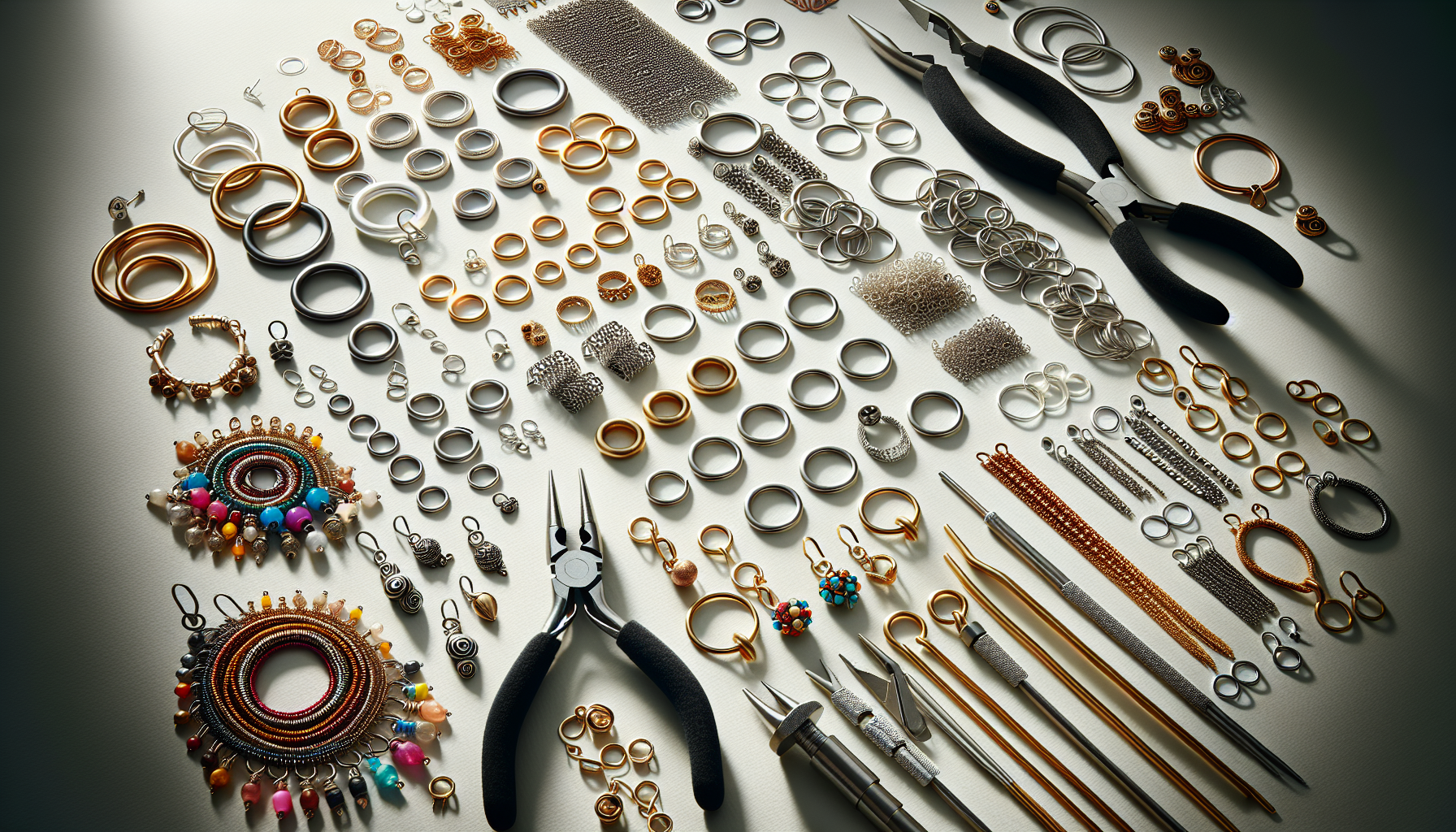
Jump rings and split rings are small but crucial components in jewelry making. These rings act as connectors between different jewelry parts – from linking chains, clasps, and charms to creating flexible and durable connections in everything from bracelets to earrings. Although the terms are often used synonymously, there are some differences between a jump ring (sometimes also called a "bindring" or "jumpring" in Swedish) and more specialized split rings, depending on their use and construction.
Basic Types and Uses
- Jump ring most often refers to a round, simple ring that can be open or closed – the open versions are easily bendable, while closed variants are fixed and stronger.
- Split ring is often used as a collective term and includes both jump rings and more specific variants depending on construction and fastening.
- Open rings are suitable for easily connecting chains, links, or attaching pendants, while closed rings provide extra strength in parts of the jewelry where stress is high.
- Common uses include clasps for necklaces and bracelets, attaching charms, anchor links, and as a base for popular techniques like chain maille, where the strength and fit of the rings are especially critical.
Choosing the right type of ring is of great importance for both the durability and aesthetics of the jewelry. A carefully selected jump ring can enhance the jewelry's design or blend in discreetly, ensuring a long lifespan.
Design and Function – How Ring Type Affects Your Jewelry
Many beginners focus on the larger parts of the jewelry, but it's the choice of jump rings and split rings that often determines whether the jewelry will withstand daily wear and give the right impression. For example, by using a more solid closed ring for heavy pendants, you reduce the risk of the jewelry losing its decoration. Furthermore, through the shape of the ring, such as oval or twisted split rings, you can add subtle design depth without compromising functionality. Make it a habit to match the ring type with both the material and the purpose of the jewelry – this ensures that the overall piece feels well-crafted and lasts over time.
Material Choice – Quality, Durability, and Style
When choosing jump rings and split rings for your jewelry projects, the choice of material plays a crucial role in both the lifespan and appearance of your jewelry. The most popular materials include sterling silver 925, gold plating, stainless steel, brass, and copper. Each material has its own strengths and suits different styles and needs – from classic and timeless to modern and trendy expressions. Many suppliers, such as Hilmas Pyssel and Silvergrejs, place great emphasis on offering high-quality components for long-lasting durability, regardless of design choice.
Pros and Cons of Different Materials
- Sterling silver 925: Provides an exclusive feel and is very durable, but can oxidize and require polishing.
- Gold plating: Offers a luxurious look at a lower price than solid gold, but the surface layer wears off over time.
- Stainless steel: Extremely durable and almost entirely maintenance-free, perfect for daily wear.
- Brass & copper: Has a lovely warm tone but can discolor and cause skin reactions in sensitive users.
-
Nickel-plated or gilded simpler metals: Cheap alternative, but usually has significantly poorer durability and can cause allergies for those sensitive to nickel.
By choosing high-quality materials, you reduce the risk of allergies and increase the lifespan of your jewelry. If you want to be sure of the quality – feel free to test the durability by bending the ring slightly and checking if the surface flakes or the metal deforms. Hilmas Pyssel always recommends careful source control and choosing materials based on both personal style and intended use.
How to Find the Right Balance Between Quality and Design
The choice of material not only affects durability but also the visual impression and feel of the jewelry. Always consider the user's needs: If the jewelry is to be worn daily, stainless steel or genuine silver is recommended for increased wear resistance. However, if it's meant to be an eye-catching statement piece for a party, gold plating and brass can add a real wow factor. Many experienced jewelry makers combine different materials in the same project for unique effects and increased creative freedom.
By understanding the properties of the materials and daring to experiment, you can find the right combination for both durability and style. Opt for reputable suppliers and avoid compromising on quality – it makes all the difference to the end result.
Sizes and Dimensions – How to Choose the Right One
Choosing the right size and dimensions for jump rings and split rings is crucial for the outcome of your jewelry, both in terms of design, durability, and comfort. The size of the ring not only determines how neatly the jewelry fits together but also how easy it is to replace or add new parts. Top-ranked stores like Hilmas Pyssel and Silvergrejs often mention the importance of choosing correctly based on the project's unique needs, something often overlooked by both beginners and more experienced jewelry makers.
Measuring and Understanding Dimensions
When measuring jump rings and split rings, it's important to know the following terms:
- Outer diameter: The distance from outer edge to outer edge of the ring. Common in chain making, for example.
- Inner diameter: The measurement from inside to inside – determines how thick components you can thread through the ring.
-
Wire thickness: How sturdy the metal itself in the ring is, which affects both strength and the jewelry's impression.
Common sizes can range between 3–10 mm in outer diameter, where smaller ones are used for delicate details and larger ones provide a robust connection or a more decorative impression. For earrings and thin chains, narrower rings are often recommended, while bracelets and larger pendants require thicker dimensions.
Choose the Right Size for Function and Design
To avoid typical beginner mistakes, always test that the components fit into the ring before fully assembling your jewelry. A ring that is too small can mean the chain doesn't move freely, while one that is too large often gives a "flimsy" impression. Adjust the size and wire thickness according to the jewelry's style: a thin, discreet wire works excellently for elegant pendants, while rustic and trendy designs can be elevated by thick rings to create structure and character.
Also, consider comfort – especially in bracelets, there's a big difference between a ring that snags and one that smoothly follows the body's movements. Feel free to try several combinations and dare to experiment with dimensions to find the ultimate balance between form and function.
Dimensions that Elevate the Overall Impression
Taking a little extra time to choose the exact right size and wire thickness for jump rings and split rings can be crucial for your jewelry to truly feel well-crafted and both durable and comfortable to wear. Don't forget that different materials can feel differently thick and stable even if they measure the same in millimeters – so also trust your intuition and how the jewelry feels in practice. Experimenting with sizes also allows for original and personal expressions that stand out in the market.
Practical Use – How to Securely Attach Jump Rings and Split Rings
Attaching jump rings and split rings correctly is crucial for both the durability and the aesthetic outcome of your jewelry. Despite their small size, these components play a central role in ensuring that the jewelry holds together properly and withstands everyday wear. The right technique during assembly reduces the risk of wear, deformed rings, and lost parts over time. Many beginners make the mistake of opening and closing rings incorrectly, which can negatively affect both appearance and function.
Tools and Method – Step by Step
For best results, you should use the right tools, such as flat-nose pliers, round-nose pliers, and sometimes a special jump ring opener. Here's a simple step-by-step guide to opening and closing jump rings and split rings without deforming them:
- Hold the ring between two pliers so that the opening is upwards and clear.
- Gently twist the sides in opposite directions (like unscrewing a lid), rather than prying the ends of the ring apart sideways.
- Attach the desired parts, such as a chain piece or a clasp.
- Twist the sides back so that the ends of the ring meet exactly, preferably so you hear a slight "click."
-
Carefully check that the ring is completely closed and there are no gaps, especially if you are using thin rings or delicate materials.
This method reduces the risk of deformation and ensures that the ring retains its strength. Professional jewelry makers often recommend working slowly and controllably for best durability.
Common Mistakes and Durable Solutions
A frequent beginner's mistake is trying to pull the ring apart sideways, which leads to uneven and weak connections. Also, remember to use strong enough rings for heavy pendants or chains to prevent the ring from opening unintentionally. An extra tip is to sometimes use double jump rings for exposed parts if you want to maximize the jewelry's lifespan. Always take a few extra seconds to check the final result – it can be crucial for whether your jewelry lasts for many years. Investing in solid tools and careful assembly pays off in the long run and gives a more professional overall impression.
Style and Design – Creative Uses
Jump rings and split rings not only fulfill a functional role in jewelry but can also act as style-creating details and add personality to your jewelry projects. With the right creative approach, these small components become true eye-catchers that elevate the overall piece, whether you are designing modern, trendy accessories or working with classic techniques. Today, we see that larger players like Hilmas Pyssel and Silvergrejs offer products in both traditional and innovative forms, which opens up great freedom for you who want to experiment with jewelry design – whether you are a beginner or an experienced creator.
Inspiration for Decoration and Design
- Chainmaille: By linking jump rings together systematically, you can create beautiful bracelets and necklaces in styles reminiscent of ancient armor chains. The popular Byzantine chain is a classic example where split rings are central.
- Layering and Mixed Metals: Mixing different metals – for example, silver, gold, and copper – creates modern and dynamic expressions. Layering techniques involve using multiple chains with jump rings of different sizes and colors for trendy, layered effects.
-
Jump Rings as Decoration: Split rings and jump rings can be used as purely decorative elements, such as hanging rings along a core link or as finishing details on the jewelry's extenders and clasps.
Thinking outside the box allows you to use jump rings and split rings to create your own jewelry trends. Try putting several small jump rings together for volume, use the rings to attach beads or charms in unexpected places, or create your own unique link patterns. There is also room for repurposing: reuse older jewelry parts by combining their jump rings in new ways – both sustainable and style-conscious.
Small Adjustments, Big Design Possibilities
Finally, it's worth remembering that small details often make a big difference in a piece of jewelry. By simply replacing plain, round jump rings with twisted or oval variants, you can transform a simple piece of jewelry into something more exclusive and interesting. Much of it is about the joy of experimentation – dare to mix sizes, materials, and styles until you find the formula that best suits your taste and the expression you want to create. Through a conscious and creative choice of jump rings and split rings, you can truly put your personal stamp on every piece of jewelry you make.
Where to Buy Jump Rings & Split Rings? – Tips for Smart Purchases
Finding the right place to buy jump rings and split rings can be crucial for both the style, durability of your jewelry, and your own shopping experience. With a wide range on the market – stores like Hilmas Pyssel – there are options for all needs and budgets. Whether you're a beginner or an experienced jewelry maker, it's important to choose your supplier carefully to ensure you get quality, inspiration, and the right service.
Comparison Between Stores and What to Consider
- Breadth and Selection: Choose retailers with a wide assortment of sizes, shapes, and materials to easily test different styles. Hilmas Pyssel is known for its variety, from modern to classic jewelry components.
- Material Quality: Check that jump rings and split rings are of high standard and preferably made from materials like sterling silver 925, stainless steel, or brass, depending on your needs.
- Price and Offers: Compare prices and take advantage of any bulk discounts or package deals – it can often pay off to buy larger quantities.
- Customer Service: Knowledgeable and helpful customer service – such as that at Hilmas Pyssel – is invaluable, especially if you need advice on choosing parts.
-
Environmental Awareness: Check if the supplier offers eco-friendly or recycled materials if this is important to you.
By first reading reviews and testing smaller orders, you can evaluate both service and quality before purchasing larger volumes. Also, consider if you can use recycled rings from old jewelry as a sustainable and cost-effective solution.
Smart Purchases and Long-Term Value
Comparing several retailers, both physical stores and online, allows you to find the best prices and highest quality. Many stores have unique offers or specialized assortments, which means you can find jump rings and split rings that stand out and add a unique touch to your creations. Also, remember to invest in parts that are built to last – it pays off in the long run for both the environment and your enjoyment of jewelry making. Whatever you choose, always opt for materials and suppliers that meet your requirements for style, durability, and ethics.
Frequently Asked Questions
Q: What is the most important thing to consider when choosing jump rings and split rings for jewelry?
A: The most important thing is to focus on the right material and the right dimension based on the jewelry's purpose and desired design. The choice of material affects both the durability and hypoallergenicity of the jewelry, while the size and wire thickness determine how stable and elegant the overall piece will be. Invest in quality rings made of, for example, genuine silver, stainless steel, or gold plating rather than cheap nickel-plated variants that can easily discolor or break. Also consider whether the ring should be visible as a style statement or merely serve as a discreet fastener.
Q: How have trends in jewelry making affected the use of jump rings and split rings?
A: In recent years, we've seen a clear trend towards personalized and handmade jewelry, where jump rings and split rings are given more decorative space. Techniques like chainmaille, layering with multiple chains, and combinations of different metals are extremely popular. These trends require not only functional rings but also that the rings blend in or stand out, depending on the design. More and more people are also choosing larger and more robust jump rings that are visible, instead of just using them for practical purposes.
Q: What are the most common mistakes when working with jump rings and split rings?
A: A common mistake is to use too small or too thin rings for heavy parts, which can cause the jewelry to break. Many also open rings by pulling them apart sideways, which deforms the metal and compromises durability. Always use the correct tools and open rings by twisting the ends towards and away from each other sideways. Also, avoid nickel and cheap alloys if you want to create durable and skin-friendly jewelry.
Q: What tools and resources are recommended for best results?
A: Basic tools include flat-nose pliers and round-nose pliers, preferably with smooth jaws to avoid scratches, and possibly a jump ring opener for smaller rings. It may also be worthwhile investing in quality accessories from well-stocked stores like Hilmas Pyssel, where the selection is large and the staff can provide practical advice. Inspiration sites, YouTube channels, and jewelry forums can also offer new ideas and technique tips.
Q: How can a beginner quickly get started with jump rings and split rings?
A: Start by purchasing a pack of basic jump rings in various sizes and materials, a pair of good pliers, and some simple charms or chains. Practice assembling a bracelet or earrings by connecting parts with the rings. Follow a simple video guide and practice opening and closing the rings correctly without deforming them. Once you've mastered the technique, you can start experimenting with more advanced projects and discover the creative possibilities!
Conclusion: Create Durable and Beautiful Jewelry with the Right Jump Rings & Split Rings
Jump rings and split rings are truly the unsung heroes of jewelry making, where the choice of material, size, and design affects both durability and style. By understanding the differences between various ring types, investing in quality materials like 925 sterling silver, and using the right techniques, you can create jewelry that not only looks fantastic but also lasts a long time. Being aware of trends and combining function with creative design also makes your own jewelry unique – something that is appreciated whether you are creating for yourself or as a gift.
Now it's time to put that knowledge into practice! Explore different stores, compare selection and quality, and dare to experiment with both classic and new design approaches. Always invest in good materials and tools for the best results. Whether you are a beginner or an experienced jewelry maker, it's the details that make the difference – so let jump rings and split rings take your jewelry making to the next level. Start today and discover how fun, sustainable, and satisfying it is to create your own jewelry from scratch!