


Spacers from Hilmaspyssel.se – the key to professional and personal jewelry
Do you want your homemade jewelry to look more professional, balanced, and well-thought-out – without making it more complicated? Then spacers from Hilmaspyssel.se are one of your most important tools. With the right small metal components, you can elevate a simple bracelet, necklace, or a pair of earrings to the next level and make them look like something bought in a store.
In this guide, we'll go through what spacers are, what types and materials are available at Hilmaspyssel.se, how to use them in your design, and which sizes work best for beginners. You'll also get concrete design ideas, purchasing tips, and care instructions so you can confidently choose the right spacers online – and create durable, stylish jewelry that feels completely unique.
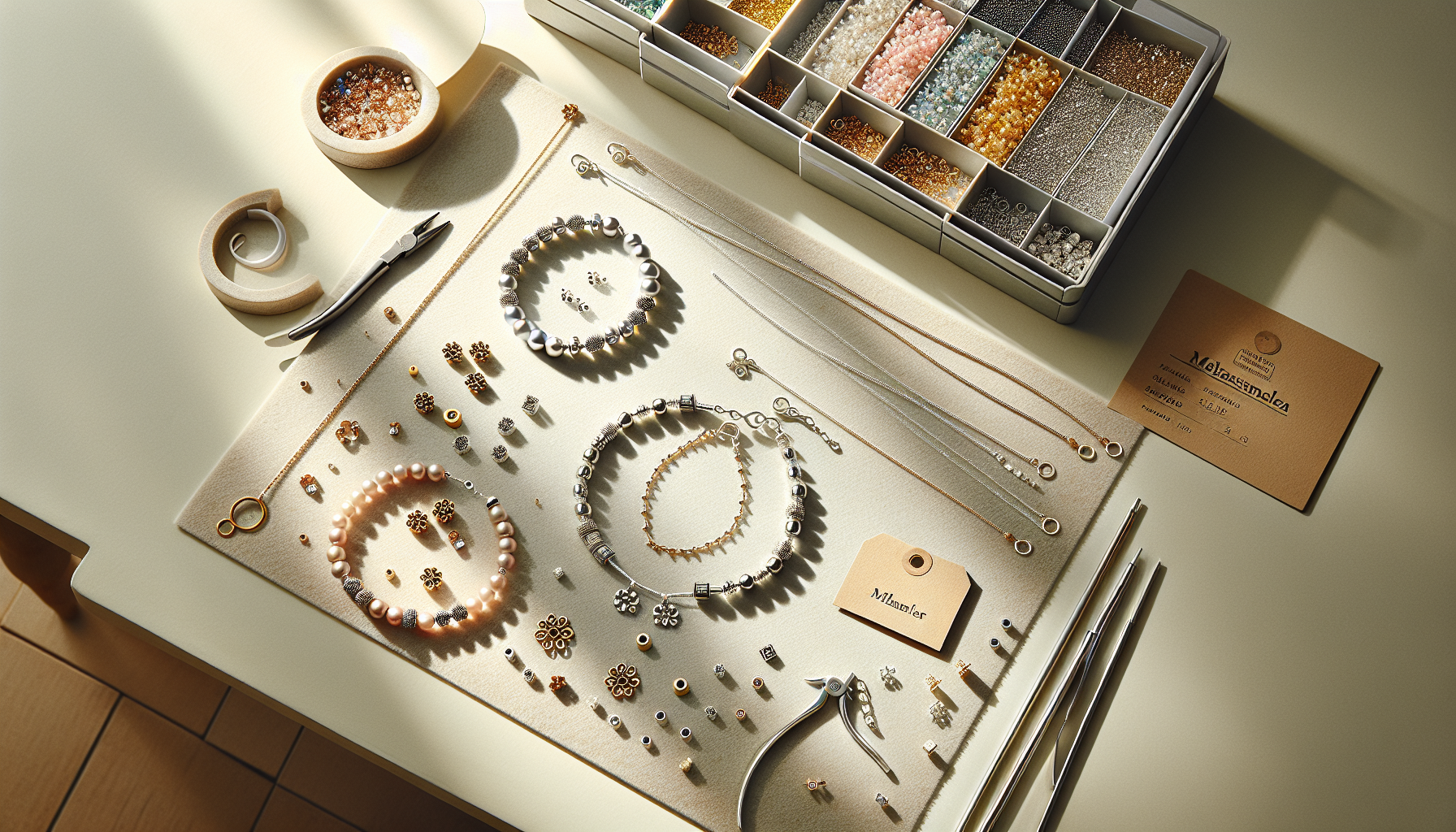
Spacers, often called distancing beads, are small but crucial components in jewelry making. They are placed between beads or other elements in a bracelet, necklace, or earring to create distance, structure, and a more elaborate expression. At Hilmaspyssel.se, you'll find a wide range of spacers in various shapes, sizes, and materials, precisely because they play such a significant role in the overall feel of your jewelry.
What does a spacer do in a piece of jewelry?
Spacers differ from regular beads in that their primary function is form, balance, and design, rather than being the focal point of the jewelry:
-
Function: They hold larger beads in place, create breathing room in the design, and make the jewelry more pliable on the wrist or around the neck.
-
Difference from beads: Beads are often the eye-catcher, while spacers act as discreet "supporting players" that frame and elevate the overall look.
-
Difference from other components: Unlike clasps, chains, and pins, spacers are a decorative component that also affects the construction.
Imagine a simple elastic bracelet with only round glass or natural stone beads. Without spacers, it might feel heavy, compact, and a bit "crafty." If you add small metal spacers between every other bead, the bracelet suddenly gains more rhythm, sparkle, and a professional finish – without changing the basic idea.
Before and after – concrete example of spacers in practice
A good way to understand spacers is to compare a before-and-after project:
- Before: A bracelet with 8 mm natural stones strung tightly together on elastic thread. Nice, but quite heavy and uniform.
- After: The same bracelet, but now you've added small 3–4 mm silver-colored metal spacers between each stone. The result is a lighter expression, clearer form, and a bracelet that looks more "store-ready."
By understanding what spacers are and how they differ from other jewelry components, you also gain the tools to start designing more consciously. The rest of the guide delves deeper into types, materials, design ideas, and practical beginner tips – all based on the assortment at Hilmaspyssel.se.
Different types of spacers at Hilmaspyssel.se
When you start discovering spacers, you'll quickly realize that their shape makes a huge difference to how the jewelry is perceived. At Hilmaspyssel.se, there's a wide range of spacers in various sizes, shapes, and finishes – from discreet distancing beads to more decorative spacers that steal the show. To choose the right ones, it's important to understand what the different types actually do for the overall impression.
Overview of common categories of spacers
-
Round spacers: Classic, smooth spacers that suit virtually all beads and styles. Perfect when you want to create space and rhythm without drawing focus from the main beads.
-
Faceted spacers: Have cut surfaces that catch the light and add extra sparkle. Particularly beautiful with glass beads, crystals, or name bracelets where you want more "bling."
-
Patterned/textured spacers: Beads with details, grooves, or ornaments. These immediately give a more elaborate, vintage, or boho expression depending on the design.
-
Distancing beads and decorative rondelles: Small, often thin spacers that act as subtle separators. Ideal between larger natural stones or freshwater pearls to highlight each bead individually.
By combining, for example, smooth round spacers with a single patterned variant, you can create a piece of jewelry that feels both stylish and personal, without being cluttered.
Choosing the right spacer for bracelets, necklaces, and earrings
As a rule of thumb, smaller, discreet spacers work best in bracelets intended for everyday wear, while larger or more decorated spacers look great in necklaces and statement earrings. For minimalist bracelets, you can, for example, alternate 4–6 mm round metal spacers with small glass beads. For a bohemian layered necklace, you can mix faceted spacers with textured distancing beads in different metal colors for a more vibrant expression.
By considering the type of jewelry, bead size, and how much "focus" you want to give your spacers, it becomes much easier to filter the assortment at Hilmaspyssel.se and find the exact right models for your next project.
Material choices – metal colors and qualities of spacers
The right material for your spacers is crucial both for how the jewelry looks and how long it lasts. At Hilmaspyssel.se, you'll find a wide range of spacers in various metal colors and qualities, specially selected to be easy to combine with beads, chains, and clasps. Here, we'll go through what distinguishes the materials – and how to make smart choices based on budget, sensitivity, and style.
Common materials for spacers at Hilmaspyssel.se
-
Nickel-free alloys: Very common in hobby jewelry. Gives a nice result at a good price and is often available in both gold, silver, and bronze colors.
-
Stainless steel: Extra durable, color-fast, and hard, perfect for everyday jewelry exposed to wear and tear. Often available in steel, gold, and rose gold colors.
-
Plated metal: Base metal (e.g., brass) with a thin layer of gold or silver color. Provides a more luxurious look but requires a bit more careful handling.
When choosing materials, it's wise to consider who will wear the jewelry. For children's and everyday jewelry, stainless steel and quality nickel-free alloys are particularly appreciated, while plated spacers are perfect when you want maximum luster in festive and wedding jewelry.
How to match metal color with beads and design
To achieve a unified and professional look, it's smart to think holistically:
-
Silver color + cool tones: Silver-colored spacers enhance freshwater pearls, rock crystal, aquamarine, and blue glass beads and give a clean, elegant feel.
-
Gold color + warm natural materials: Warm gold-colored spacers are particularly suitable for natural stones such as rose quartz, jade, tiger's eye, and agates in earthy shades.
-
Antique silver/antique gold for boho style: Textured spacers with an antique finish work perfectly in bohemian layered necklaces and bracelets.
A simple trick is to always have the spacers, clasps, and chains in the same metal color. This immediately makes the jewelry look more well-thought-out. At Hilmaspyssel.se, you can filter spacers by both color and material, making it easy to build an entire collection around a single metal theme – for example, "always matte gold" or "always stainless steel" for a recognizable, professional style.
Design ideas – how to use spacers to create unique jewelry
Spacers are what transform a nice piece of jewelry into a well-thought-out and professional piece. By working with spacing, rhythm, and small metal accents, you can control both the focal point and the feel of your bracelet, necklace, or earrings. At Hilmaspyssel.se, you'll find many variations that make it easy to try different design ideas without it becoming complicated or expensive.
How to create rhythm, balance, and focus with spacers
-
Create rhythm between larger beads: Place a small round spacer between each larger bead for a calm, even pattern – perfect for name bracelets or classic pearl necklaces.
-
Highlight a centerpiece: Use 2–3 decorated spacers on each side of a larger bead or charm. This frames your focal point and makes the jewelry look more exclusive.
-
Build length and movement in earrings: String small rondelles and faceted spacers between drop beads to get more swing and light reflection without the earring becoming heavy.
A concrete example: A simple bracelet with natural stones can easily feel heavy. By adding small silver-colored spacers between each stone, the bracelet feels lighter, airier, and more luxurious – without you replacing a single main bead.
Style guides: minimalist, romantic, boho, and classic
-
Minimalist: Choose few, discreet spacers in smooth metal, preferably in the same color as the clasp and chain. Use them sparingly, e.g., only around the centerpiece bead.
-
Romantic: Combine spacers with floral or lace-inspired patterns with glass beads, freshwater pearls, or light pastels.
-
Boho/layered: Work with several thin bracelets or necklaces where you mix textured spacers, small rondelles, and natural stones in different sizes.
-
Classic: Use simple, high-gloss gold or silver-colored spacers with solid-colored beads for a timeless look that suits both everyday and festive occasions.
When designing with spacers from Hilmaspyssel.se, dare to make a first test on a bead board, photograph different variations, and compare. Often, it's small adjustments – an extra spacer here, a different texture there – that make your jewelry go from "homemade craft" to a designed favorite piece in jewelry form.
Practical tips for beginners – how to succeed with spacers from the start
Starting with jewelry making can feel overwhelming, especially when you suddenly have to choose between different sizes, shapes, and materials for spacers. This section will help you go from an uncertain beginner to a confident creator, with concrete tips adapted to the assortment at Hilmaspyssel.se – so that your first bracelets, necklaces, and earrings are both durable and look professional.
Planning, sizes, and correct hole dimension
- Plan on a bead board first: Lay out beads, spacers, clasps, and any charms in the correct order before you start stringing. You'll quickly see if it's too cluttered or if you need more/fewer spacers.
- Choose the right size for the thread:
- Thin elastic thread (0.5–0.8 mm): choose spacers with holes of about 1 mm.
- Jewelry wire (0.38–0.45 mm): most standard spacers at Hilmaspyssel.se work, but always check the hole size in the product text.
- Earring hooks and pins: small decorative rondelles (approx. 2–4 mm) provide nice finishes.
-
Read the product description carefully: Dimensions, hole size, and material are clearly stated – make it a habit to compare with your thread or wire before ordering.
By spending a little extra time on planning, you avoid classic beginner pitfalls such as cracked spacers, thread that won't go through, or jewelry that feels clunky instead of balanced.
Common mistakes – and simple ways to avoid them
One of the most frequent mistakes is using too many spacers. Rather, let a few, well-thought-out spacers frame your favorite beads than fill every gap. A good basic recipe for a beginner's bracelet, for example, is: 3–5 main beads, small round spacers between each, and two slightly larger spacers near the clasp.
For those who want to get started right away, a "spacer starter kit" from Hilmaspyssel.se is a smart choice. You get a mix of useful sizes and shapes that work for both bracelets and necklaces – perfect for experimenting and finding your favorite style without buying the wrong things from the start.
How to combine spacers with beads, charms, and other jewelry components
Combining spacers with beads, charms, and other jewelry components is what truly makes your jewelry look well-thought-out and professional. At Hilmaspyssel.se, you'll find everything you need to build harmonious combinations – but the key is to understand a few simple design principles regarding color, shape, and balance.
Basic principles for beautiful combinations
To make your jewelry look well-composed, you can follow these guidelines:
-
Color and contrast: Let silver-colored spacers enhance cool tones (e.g., rock crystal, freshwater pearls), and gold color reinforce warm stones (e.g., rose quartz, tiger's eye). Contrast makes both beads and spacers stand out more clearly.
-
Shape and structure: Combine smooth, round spacers with faceted glass beads for a luxurious impression, or patterned spacers with simple stone beads for a more boho feel.
-
Size and rhythm: Use small decorative rondelles between larger beads to create rhythm. A simple rule of thumb is that the spacer should be about half the size of the main bead for a balanced look.
It's often helpful to start with an "anchor" – for example, a favorite bead or charm – and then build around it with spacers that either reinforce or contrast in color and structure. This makes the design process both more enjoyable and more controlled.
Popular combinations and collection thinking
Once you've found a combination you like, you can consciously reuse the same type of spacers in multiple pieces of jewelry to create your own "collection" – perfect for both personal use and for those who sell jewelry.
-
Name bracelets: Mix letter beads, 6–8 mm round beads, and small round spacers between each word or name. This provides better readability and a cleaner, more professional appearance.
-
Personal gifts: Use a neutral base of stone or glass beads, add meaningful charms (hearts, stars, initials), and frame each charm with two discreet spacers to highlight it as a focal point.
-
Trendy natural stone bracelets: Combine matte natural stone beads with antique silver or antique gold spacers for a more rustic, bohemian feel. For example, alternate 3 stone beads – 1 spacer – 3 stone beads, etc., for an even rhythm.
By consistently using the same type of spacer in several bracelets, necklaces, and earrings, you quickly build a recognizable design language. This makes a big difference for those who want to create a clear brand identity – even if you only sell at a hobby level through social media. Hilmaspyssel.se makes it easy to reorder the same models, which helps you maintain a consistent style over time.
Care, storage, and smart purchasing of spacers at Hilmaspyssel.se
If you take care of your spacers correctly, they will stay shiny longer, be easier to work with, and give your jewelry a more professional look. In this section, we'll go through how to care for both your loose spacers and finished jewelry, as well as how to make really smart purchases at Hilmaspyssel.se without compromising on quality.
How to store and care for spacers and finished jewelry
-
Store dry and separated: Place metal spacers in small zip bags or compartment boxes. Separate different metal colors (gold, silver, rose gold) to reduce the risk of discoloration.
-
Avoid air and moisture: Place a small silica gel packet in the box or container where you keep your spacers to keep moisture levels down.
-
Clean finished jewelry gently: Use a soft cloth to wipe jewelry with spacers after use. If necessary, use a little mild soap solution and dry thoroughly afterwards.
-
Last on – first off: Put on jewelry after perfume, hairspray, and lotion, and take them off before showering, exercising, and bathing to protect the metal spacers.
By incorporating a simple routine – wipe off, put back in the box, keep dry – you significantly extend the lifespan of both budget-friendly and more exclusive spacers.
How to make smart, affordable purchases at Hilmaspyssel.se
-
Buy multi-packs when you've found your favorite: When you know which spacers you use often (e.g., 3–4 mm round distancing beads), it almost always pays off to buy larger packs for a better unit price.
-
Choose mixes for creative experimenting: If you're a beginner or trying a new style, ready-made mixes with different shapes and sizes are an affordable way to find your favorites.
-
Read the product description carefully: Always check the dimensions, hole size, and material on Hilmaspyssel.se before adding to your cart, so that the spacers fit your thread/wire and your beads.
-
Compare price against quantity: Look at the number per pack, not just the price. "Cheap spacers online" only become truly cost-effective when you calculate the price per piece.
By combining good care with thoughtful purchases, you can build your own small "stock" of spacers that are always ready for the next jewelry idea – without breaking the bank and without unpleasant surprises in the form of wrong size or wrong material. Hilmaspyssel.se makes it easy to plan long-term through clear descriptions and a wide range, giving you full control over both cost and quality.
Common questions about spacers
Q: How do I know what size spacers to choose for my jewelry?
A: Always start with the thickness of the thread/wire and the size of your main beads. For name bracelets with 6–8 mm beads, 3–4 mm spacers often work well, with a hole size of at least 1 mm for elastic thread. If you're working with jewelry wire and heavier stones, 4–6 mm spacers can provide better balance. At Hilmaspyssel.se, both the diameter and hole size are clearly stated – always compare these measurements with your other components before ordering.
Q: Which material for spacers is best if you are sensitive or allergic?
A: If you are sensitive, you should prioritize nickel-free alloys or stainless steel. Stainless steel is very durable, discolors less, and is often perceived as more hypoallergenic than simpler metal blends. Nickel-free jewelry metals in gold or silver colors work well for most people, especially in bracelets and necklaces. For earrings and jewelry that lie directly against the skin for longer periods, it's wise to choose stainless steel or other clearly hypoallergenic options when available in the Hilmaspyssel.se assortment.
Q: How do I prevent jewelry with metal spacers from darkening or losing their shine?
A: Always store your jewelry dry and airtight, preferably in small zip bags or boxes with lids. Avoid humid bathrooms and direct sunlight. Take off your jewelry when showering, exercising, or applying lotion and perfume – chemicals and sweat accelerate discoloration. If the jewelry has become a bit dull, you can gently polish the spacers with a soft polishing cloth; avoid strong silver dips on plated parts, as the plating can wear off.
Q: How do I find cheap but good spacers online?
A: Look for multipacks and mixed packs on Hilmaspyssel.se – they often offer the best price per piece and are perfect when you're building up a basic stock. Always read the product description carefully: material, dimensions, hole size, and whether the parts are nickel-free. Feel free to combine some budget-friendly standard spacers (e.g., plain silver-colored rondelles) with a few more elaborate spacers as focal points – that way you keep costs down but still get an exclusive feel.
Q: What's the best way to start with spacers if I'm completely new to jewelry making?
A: Start simply with a small starter kit of silver or gold-colored spacers, elastic thread, and a couple of favorite beads. Lay out your first bracelet on a bead board: for example, alternate 3–4 beads with 1 spacer all the way around. When you're happy with the pattern, string everything onto the thread, tie, and secure the knot. By trying the same design with different types of spacers from Hilmaspyssel.se, you'll quickly learn how they change style, feel, and balance – and find your own signature style.
Conclusion: How to take your jewelry to the next level with spacers
Throughout this article, you've seen how spacers act as the small detail that makes a big difference – from basic function and different types, to material choices, design ideas, beginner tips, combinations, and care. You now know how the right spacers can create balance, rhythm, and a more exclusive expression in bracelets, necklaces, and earrings alike, while avoiding common mistakes and choosing materials that last over time.
The next step is to put this knowledge into practice. Start with a simple project: choose a favorite bead, complement it with suitable spacers in the right metal color, and try one of the design ideas you liked. Visit Hilmaspyssel.se, go to the spacers category, and build your own small "base layer" of sizes and shapes. That way, you'll always have the right parts at home when inspiration strikes – and you can continue to develop your personal jewelry style, one spacer at a time.