


Fasteners, Ends, and Counterparts – Miscellaneous at Hilmaspyssel.se
Have you spent time designing a beautiful piece of jewelry – only to find that the clasp is faulty, the end detaches, or the chain chafes? You're not alone. The right fasteners, ends, and counterparts are crucial for your jewelry to be durable, secure, and professional. In this guide, we focus on the category "Fasteners, Ends, Counterparts – Miscellaneous" at Hilmaspyssel.se, where all those essential small parts you often need are gathered in one place.
Whether you're a beginner, a hobbyist, or run a small jewelry business, here you'll find a clear overview of available products, how to use them, and how to choose the right ones for your specific project. You'll get practical examples, common mistakes to avoid, and concrete tips that will make your jewelry last longer, feel more comfortable to wear – and look more professional right from the first attempt.
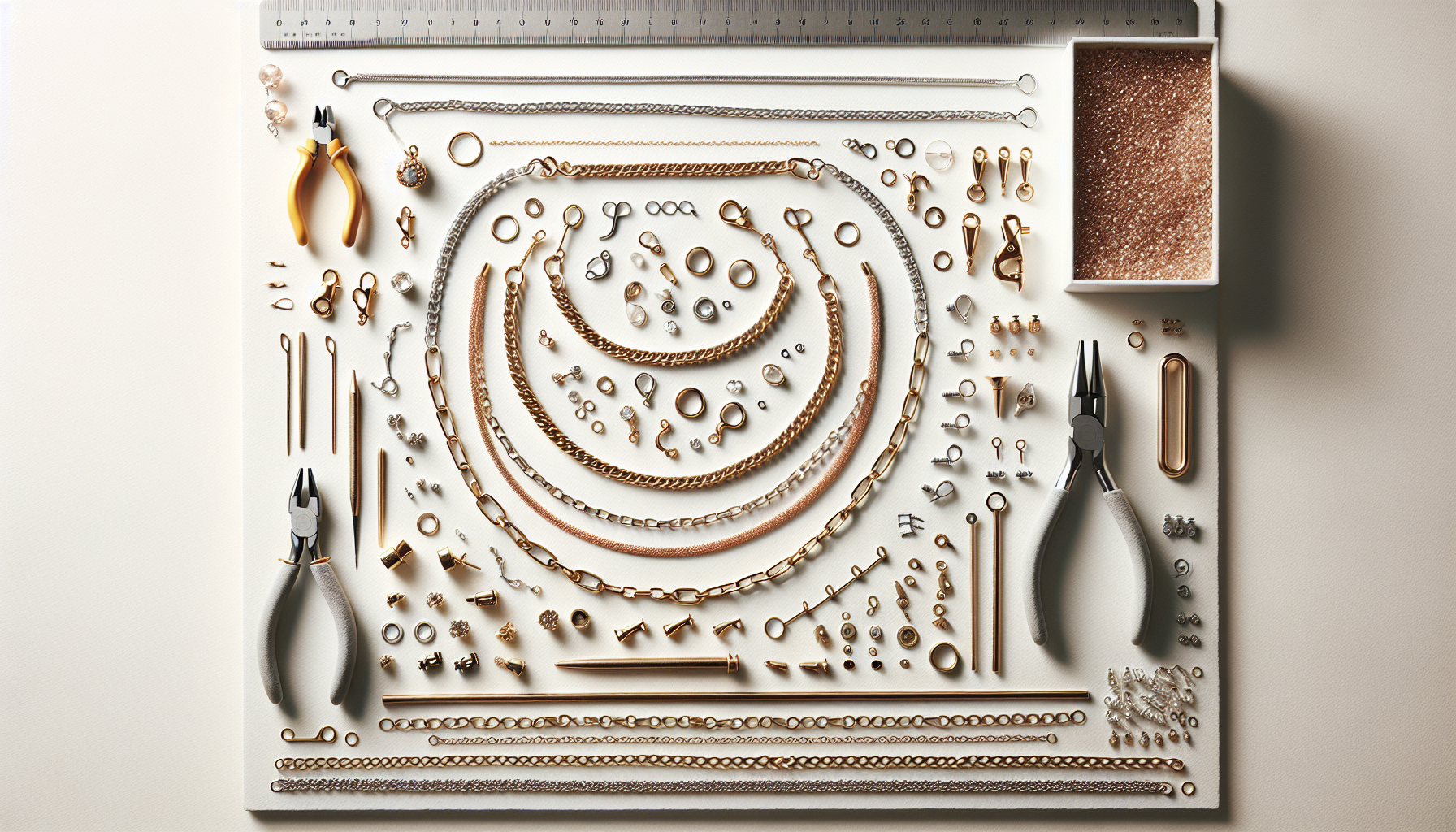
When designing jewelry, beads and charms are often the focus – but it's the fasteners, ends, and counterparts that determine whether the piece is actually wearable, lasts over time, and feels comfortable. In this section, we go through the basics so you know exactly which small parts you need – and what they are actually called – when shopping in the "Fasteners, Ends, Counterparts – Miscellaneous" category at Hilmaspyssel.se.
What are fasteners, ends, and counterparts in practice?
In jewelry making, there are often three main types of functional parts:
-
Fasteners (clasps): For example, lobster clasps, magnetic clasps, toggle clasps, and spring rings that open/close and hold bracelets or necklaces in place.
-
Ends: Crimp beads, crimp covers, end caps, cord ends, and glue-in ends that secure thread, wire, leather, or textile bands so nothing slips out.
-
Counterparts: Jump rings, split rings, extension chains, small loops, and chain segments that act as a "counterpart" to the clasp and connect all parts.
An important distinction many miss is that between decorative parts (e.g., spacers and decorative rings) and purely functional parts that support the jewelry's construction. Often, both are combined: a toggle clasp, for example, can be both a functional fastener and a visible design detail at the front of a necklace.
What does the "Miscellaneous" category contain – and why is it so important?
At Hilmaspyssel.se, the "Fasteners, Ends, Counterparts – Miscellaneous" category gathers all those special parts that don't quite fit into more specific subcategories. These can be wire protectors, extra small rings, unusual clasp models, spacer beads, or mini extenders that make your jewelry more adjustable, more secure, or more professional.
It is precisely these small parts that often determine comfort, durability, and security. A heavy stone bracelet with too flimsy a ring can break, an elastic bracelet without the right end can snap, and a children's necklace without a well-designed clasp can be difficult to put on and take off. By understanding the basics here, the rest of the guide's choice of clasps, ends, and counterparts will be both easier and more accurate for your projects.
Different Types of Fasteners – Choose the Right Jewelry Clasp for the Right Project
The right type of jewelry clasp is crucial for both usability and durability. In this section, we review the most common fasteners you'll find at Hilmaspyssel.se and how to choose the one that suits your bracelet or necklace. The goal is for you to avoid jewelry that malfunctions, comes undone, or feels insecure to wear.
Overview of Common Jewelry Clasps
-
Lobster Clasps: A stable all-around clasp for everyday bracelets and necklaces. Particularly suitable for jewelry with some weight, such as stone and glass beads, as it handles pull and movement well.
-
Magnetic Clasps: Perfect when the jewelry needs to be easy to put on and take off – for example, for the elderly, children, or those with hand stiffness. Here, magnet strength and security are important factors, especially for heavier jewelry.
-
Toggle Clasps: Decorative T-shaped clasp often designed to be part of the piece, sometimes placed at the front of a necklace. Works best for slightly heavier jewelry that "pulls down" the clasp and keeps it closed.
-
Spring Rings and Lobster Clasps: Classic standard solutions often used with extension chains and small jump rings for flexible length and easy repair.
By understanding when each clasp type works best, you can design jewelry that both looks professional and lasts over time, instead of just choosing "because it happened to be available."
Size, Material, and Practical Examples
When choosing a fastener, you should always consider three things: weight, target audience, and material. For example, a heavy stone bracelet often requires a sturdy lobster clasp in stainless steel or stronger metal, combined with robust jump rings. A lightweight pearl necklace of glass or acrylic beads, however, can work perfectly with a smaller lobster clasp or a discreet magnetic clasp.
Also, consider the allergy aspect: opt for nickel-safe alternatives, stainless steel, or silver-plated for customers with sensitive skin. And ensure the proportions are correct – an overly large clasp can dominate a delicate bracelet, while an overly small clasp on a heavy piece of jewelry quickly becomes a weak point.
By planning the clasp type already in the design phase, and matching the fastener with the right thread, bead type, and use, you create jewelry that is perceived as well-thought-out and reliable – something appreciated by both hobbyists and paying customers.
Ends and End Pieces – Professional Finish for Bracelets and Necklaces
A piece of jewelry never truly feels finished until the ends are neatly and securely attached. In this section, we delve into end caps, crimp beads, crimp covers, and cord ends – the small parts that allow bracelets and necklaces to withstand daily wear without coming undone. Many guides only briefly mention them, but here we focus on how to actually choose the right type for your specific project.
Which Ends Suit Which Material?
For a professional result, you need to match the end to the thread or cord you are using:
-
Jewelry Wire: Use crimp beads + crimp covers and preferably wire protectors at the clasp to reduce friction.
-
Elastic Thread: Often best with a hidden knot secured with glue and, if necessary, concealed in a knot cover/crimp cover.
-
Leather Cord / Suede Cord: Choose glue-in end caps or cord ends that are adapted in inner diameter to the cord.
-
Textile Ribbons and Silk Ribbons: Work well with ribbon clamps (also called ribbon ends) or wider glue-in ends.
A practical example: If you are finishing a necklace made with wire, you would choose two crimp beads, two wire protectors, and a clasp with a jump ring. For a leather bracelet, you would instead choose two glue-in end caps and a suitable magnetic or lobster clasp.
Step-by-Step and Common Mistakes to Avoid
For a necklace made with wire:
- Thread on crimp bead → wire protector → fastening device (e.g., lobster clasp)
- Feed the wire back through the crimp bead, pull tight so the wire protector encloses it, crimp with the correct pliers
- Thread excess wire through the first beads before trimming
For a leather bracelet:
- Test the inner diameter of the end cap against the cord before gluing
- Lightly rough up the end of the leather, place a small amount of strong jewelry glue in the cap
- Insert the cord, wipe away excess glue, let dry according to the glue's instructions
Avoid common mistakes: oversized end caps, too little or the wrong type of glue, and using regular household pliers instead of crimping pliers for crimp beads. By being meticulous in this part of the process, you will get jewelry that not only looks professional but also lasts significantly longer – something that is especially appreciated if you sell your creations.
Counterparts and Complementary Small Parts – The Details That Make the Difference
Counterparts and complementary small parts are often the most overlooked components in jewelry making – but it is precisely these parts that determine whether your jewelry feels well-thought-out, adjustable, and durable. In Hilmaspyssel.se's category "Fasteners, Ends, Counterparts – Miscellaneous", you'll find many of these clever solutions that are rarely explained in detail in common guides.
What are Counterparts – and Why are They Needed?
Counterparts are simply the part that "corresponds" to your clasp or fastener, as well as small links that connect different parts of the jewelry:
-
Openable Rings (split rings, O-rings): Connect lobster clasps with extension chains or end caps.
-
Extension Chains: Provide adjustable length, perfect for necklaces between e.g., 40–45 cm.
-
Loops and Link Pieces: Used to attach pendants, create chain sections, or modify existing jewelry.
-
Small Rings for Earrings: Connect ear hooks with beads, charms, or chains.
By planning for counterparts already in the sketching phase, you avoid last-minute fixes. For example, consider where the clasp should be, how much "extra length" you want, and whether the customer should be able to lengthen or shorten the jewelry themselves.
Practical Examples and Smart Planning
Let's say you want to make a necklace that can be worn both as a 40 cm choker and a 45 cm standard length. You would combine:
-
A lobster clasp at one end
-
An openable ring at the other end
-
An extension chain of 5 cm, attached to the ring
The result is a flexible necklace that suits more customers – perfect if you sell jewelry. Similarly, you can lengthen a favorite short bracelet by adding a piece of chain and a few extra rings instead of re-stringing everything from scratch.
When repurposing older jewelry, counterparts are invaluable: replace worn rings, add an extension chain, or swap a stiff spring ring with a smoother lobster clasp. Often, just a few parts from the "Miscellaneous" category are enough to give the entire piece of jewelry a longer lifespan and better function.
Material Choices – Durable and Skin-Friendly Fasteners and Ends
The right material for fasteners, ends, and counterparts is just as important as beautiful beads and stylish design. It affects durability, comfort, allergy risk, and how long the jewelry looks fresh. Here, we go through the most common materials you'll find in the "Fasteners, Ends, Counterparts – Miscellaneous" category at Hilmaspyssel.se – and how to make smart choices based on both the user and the intended use.
Common Materials and When to Choose Which
-
Metal Alloys: Affordable all-around parts, good for hobby jewelry and prototypes. Opt for lead- and nickel-safe variants to reduce allergy risk.
-
Stainless Steel: Very durable, color-stable, and often hypoallergenic. Perfect for bracelets worn daily and jewelry exposed to moisture.
-
Silver-plated / Gold-plated: Provides an exclusive look at a lower price than genuine precious metal. Suitable for festive jewelry, wedding jewelry, and collections where the finish is central.
-
Sterling Silver (925): Best choice when you want to market your jewelry as "sterling silver" and build a more premium brand.
Also, consider matching the material with the thread type/weight: heavy stone beads and glass require more robust clasps (preferably stainless steel or a stronger alloy), while light seed beads can be combined with smaller, daintier parts. For elastic bracelets, small, discreet ends in stainless steel or plated materials work especially well, as they are often subjected to pulling and stretching.
Allergies, Care, and Smart Choices for Sellers
For sensitive skin, nickel-safe and stainless steel options are a big plus. It's advisable to state in your product description (if you sell jewelry) what material the clasps and ends are made of – this builds trust and reduces the risk of complaints. A simple routine is to always have two tracks in your assortment: a basic range with plated parts and a more premium one in stainless steel/925 silver.
Care instructions you can pass on to your customers:
-
Wipe down jewelry with a soft cloth after use to remove sweat and skin oils.
-
Avoid showering and perfume directly on the jewelry, especially with plated parts.
-
Store dry and separately, preferably in small bags, to reduce scratches and oxidation.
By carefully considering material choices when ordering from Hilmaspyssel.se, you build jewelry that lasts longer, feels comfortable to wear – and gives you more satisfied customers over time.
Practical "How-To" Examples with Parts from Hilmaspyssel.se
In this section, we put theory into practice. A common problem raised in guides and forums is that beginners get stuck when choosing fasteners and ends – or become unsure of the order in which the parts should be used. Therefore, here you will find concrete, easy-to-follow examples with typical products from the category "Fasteners, Ends, Counterparts – Miscellaneous" at Hilmaspyssel.se.
Example 1: Simple Beaded Bracelet on Elastic Cord
-
Project: Stretch bracelet with beads for everyday wear
-
Parts you need: Elastic cord, beads, possibly a crimp bead/crimp cover or bead cap from the "Miscellaneous" category
-
How to do it briefly:
- Measure wrist + approx. 3–4 cm extra cord
- Thread on the beads and test the length before tying
- Tie a double or triple knot, pull tight securely
- Hide the knot with a crimp cover or larger bead for a professional finish
What many miss is that too tightly packed beads put greater stress on the knot. Therefore, leave a little "wiggle room" and preferably use slightly stronger elastic cord than you think is necessary, especially for children's bracelets and heavy beads.
Example 2 and 3: Wire Necklace & Leather Bracelet with Magnetic Clasp
-
Stylish Wire Necklace with Lobster Clasp:
- Use jewelry wire, crimp beads, wire protectors, lobster clasp, and jump ring
- Thread wire through crimp bead + wire protector, back through the crimp bead and press with pliers
-
Attach the lobster clasp to the wire protector – the result is both strong and neat
-
Leather Bracelet with Magnetic Clasp:
- Choose leather cord, glue-in end caps, and a suitable magnetic clasp from Miscellaneous
- Lightly rough up the end of the leather and use jewelry glue in the end cap
- Press in the cord and let dry thoroughly before use
You get extra value by always performing a "pull test" before giving away or selling the jewelry. This way, you'll discover weak knots or too little glue immediately – saving both time and future complaints.
How to Find the Right Items in "Fasteners, Ends, Counterparts – Miscellaneous" at Hilmaspyssel.se
Finding the right small parts can feel overwhelming, especially when you're in the middle of a jewelry project and need a specific clasp, end cap, or a tiny ring in exactly the right size. At Hilmaspyssel.se, the category "Fasteners, Ends, Counterparts – Miscellaneous" is designed to simplify exactly this – here, those special parts that tie the design together and make finished jewelry both safer and more professional are gathered.
Navigate Smartly in Categories and Filters
Always start by considering your project and work backward in the webshop:
-
Use filters consciously: filter by material, color, size, and type to quickly narrow down relevant options.
-
Read measurements carefully: compare inner and outer diameter, length of extension chains, and opening sizes of clasps with your thread, wire, or cord.
-
Match finish: choose fasteners and counterparts that harmonize with your beads – e.g., antique silver for vintage style, polished steel for minimalist.
A practical approach is to have your current jewelry project in front of you, measure the thread/cord with a ruler or caliper, and then compare with the product information. This way, you minimize returns and avoid parts that don't fit together in reality.
Checklist, Beginner Tips, and Room for Creativity
Before clicking "buy," go through a quick checklist:
-
Correct dimension? Can the end and clasp handle the thickness and number of threads you are using?
-
Correct quantity? Always add a few extra counterparts, rings, and crimp beads as spares.
-
Correct level? As a beginner, it's wise to start with a simple basic kit: lobster clasps, magnetic clasps, crimp beads, end caps, and a few different ring sizes.
Once you've mastered the basics, you can start experimenting with more unusual clasp types, decorative spacers, and clever extension chains from the "Miscellaneous" category. It's often precisely these well-thought-out small details that make your jewelry feel unique, well-crafted – and ready to be worn, loved, and sold on. Hilmaspyssel.se provides the breadth; you provide the creativity.
Frequently Asked Questions about Fasteners, Ends, and Counterparts
Q: Which jewelry clasp is best for everyday jewelry that is used frequently?
A: For bracelets and necklaces used daily, lobster clasps and so-called lobster clasps are the most reliable choices. They are discreet, secure, and available in many sizes and materials at Hilmaspyssel.se. For heavier stone bracelets, you can choose a slightly larger lobster clasp in stainless steel for extra durability, while a finer, smaller clasp in silver-plated metal is better suited for thin chains and pearl necklaces. Also, remember to always combine the clasp with the correct counterpart, such as a strong split ring or end loop.
Q: How do I know which finding to use for my thread or wire?
A: Always base your choice on the material and thickness of the thread you are using:
-
Jewellery wire: use crimp beads + wire protectors + end caps or clasps
-
Elastic thread: double knot + glue and preferably a crimp cover or bead to hide the knot
-
Leather and suede cord: glue-in end caps or cord ends with the correct internal diameter
-
Textile and silk ribbon: ribbon ends/crimp ends that fold around the ribbon
At Hilmaspyssel.se, you will find internal and external measurements in the product descriptions – always compare them with your thread before ordering.
Q: What do counter parts actually do, and why are they so important?
A: Counter parts are all the small components to which the clasp or finding is attached – for example, jump rings, chain pieces, earring findings, and extension chains. They affect:
-
Security – a too-weak ring can open and the jewellery can be lost
-
Comfort – the correct length of extension chain makes the jewellery more flexible
-
Design – decorative counter parts can become part of the design language
By planning counter parts already when sketching your jewellery, you avoid "emergency solutions" at the end of the work.
Q: How do I avoid allergies when choosing findings and clasps?
A: Primarily choose nickel-safe or nickel-free materials. Many sensitive wearers tolerate stainless steel, 925 silver, and quality-assured metal alloys better than simpler base metals. Always check the product description – reputable stores, like Hilmaspyssel.se, state whether a product is nickel-safe. For earrings and jewellery worn close to the skin, it is worth investing in better materials, especially if you sell your creations.
Q: Which small parts from the "Other" category are smartest to always have at home?
A: A small "basic stock" allows you to start new projects immediately. Good to have are:
-
Crimp beads and crimp covers in a few standard sizes
-
Jump rings and split rings in various diameters and colours
-
Extension chains in silver and gold finishes
-
Glue sticks/cord ends for leather and cords
- A few extra magnetic clasps and lobster clasps in neutral metals
This allows you to quickly adjust lengths, replace broken clasps, and save favourite jewellery without having to order every time.
Q: How do I start if I am completely new to findings and clasps?
A: Start with three simple projects: an elastic bracelet, a wire necklace, and a leather bracelet. Buy a small starter kit with assorted findings and clasps, follow simple step-by-step instructions, and note which parts you use the most. After a few projects, you will know which sizes, materials, and colours are your favourites – and can restock more strategically from the "Findings, Clasps, Counter Parts – Other" category at Hilmaspyssel.se.
Add the finishing touch to your jewellery with the right small parts
Well-thought-out findings, clasps, and counter parts are not just technical – they are the difference between jewellery that feels cheap and jewellery that feels professional, durable, and comfortable to wear. In this guide, you have gained an overview of the basic concepts, different types of clasps, smart end caps, complementary small parts, and how to choose the right material for both design and skin-friendliness. Together, they show how the category "Findings, Clasps, Counter Parts – Other" at Hilmaspyssel.se can elevate everything from simple bracelets to exclusive collections.
Now, the next step is yours. Review your existing jewellery and ongoing projects: which clasps feel insecure, which findings look sloppy, where are extension chains or extra counter parts missing? Use the checklist and examples in the article to plan a small "upgrade" – and then let Hilmaspyssel.se's Other category become your toolbox for new, smarter solutions. Start with a few basic packs of favourite small parts, dare to try a new type of clasp or finding, and let your jewellery achieve that professional finish that customers and recipients immediately notice.