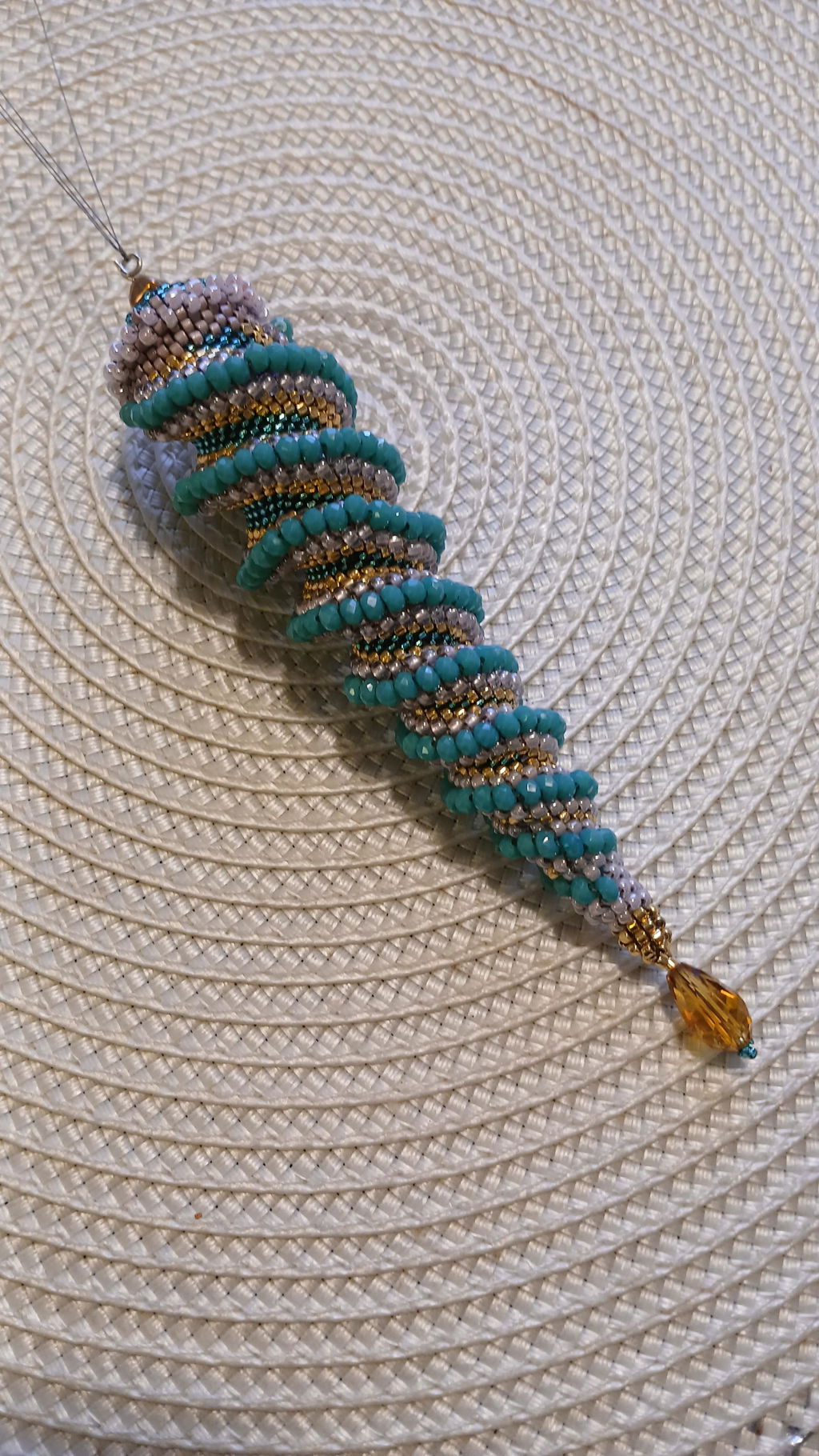
Overview
Creating jewelry requires careful selection of jewelry components and materials. This guide provides tips on choosing the right parts, understanding basic techniques, and finding inspiration. Pay attention to style and design, and test jewelry for comfort. Jewelry making is a creative process where every choice is important.
Frequently Asked Questions
1. What are the basics of jewelry making?
2. What materials should one consider when making jewelry?
3. How do you choose the right type of jewelry components?
4. What tools are important for jewelry making?
5. How can one find inspiration for jewelry making?
Creating amazing jewelry is an art form that combines creativity with technique. Whether you are an experienced jeweler or a beginner just starting, the choice of jewelry components is a crucial part of the process. In this guide, we will explore how to make the right choice of jewelry components for your project and give you great tips for successful jewelry making.
Understanding the Basics of Jewelry Making
Before we dive into how to choose the right jewelry components, it's important to understand the basics of jewelry making. Jewelry can range from simple bracelets to more complex necklaces and earrings. Each type of jewelry requires different materials and techniques.
Materials to Consider
The first factor to consider is the material. Jewelry components can be made from a range of different materials, from precious metals and semi-precious stones to plastic and glass. Your choice of material affects both the appearance of the jewelry and its durability.
- Precious Metals: Gold, silver, and platinum are high-quality choices for jewelry making, but they can also be more expensive.
- Semi-Precious Stones: These stones provide beautiful color and can dramatically enhance the look of your jewelry.
- Plastic and Glass: These materials are often more affordable alternatives and can be used for more fun and colorful designs.
Choosing the Right Type of Jewelry Components
There are a multitude of different jewelry components to choose from, and each part has its unique use in jewelry making. Let's look at some of the most common types of jewelry components and how to choose the one that best suits your project.
Fasteners and Clasps
Fasteners and clasps are crucial for any wearable jewelry. They hold the jewelry together and ensure it stays in place. When choosing a clasp, consider the following:
- Material: Choose a material that matches the rest of your jewelry.
- Strength: Make sure the clasp is strong enough to hold the jewelry.
Chains and Cords
Chains and cords can change the entire look of a piece of jewelry. Choose between metal chains, leather, or wire depending on the style you want to achieve.
Style and Design
The next step in jewelry making is to think about style and design. What kind of aesthetic do you want to achieve with your project? This, in turn, will influence your choices of jewelry components.
The Theme of Your Jewelry
Deciding on a theme for your jewelry can help you focus on which jewelry components to choose. Here are some popular themes:
- Nature: Use natural materials like wood and stones for a rustic look.
- Minimalism: Choose clean lines and few parts for a more elegant look.
- Bohemian: Use colorful and varied jewelry components for a creative feel.
Color Scheme
Color is another important aspect of the design process. Uniform colors can give a cohesive look, while a mix can create a lively feel. Consider how colors interact with each other and choose jewelry components that complement each other.
Tools and Techniques for Jewelry Making
The choice of tools is almost as important as the choice of jewelry components. Having the right tools makes the entire jewelry making process easier and more efficient. Some basic tools to have in your arsenal include:
- Wire cutters: For cutting wire or other materials.
- Tweezers: For handling small parts.
- Round-nose pliers: For shaping and bending materials.
Understanding Basic Techniques
Before you begin your jewelry making, make sure you have learned some basic techniques that are important for creating jewelry:
- Wire wrapping: A technique for assembling wires and clasps.
- Chain drawing: A method for attaching the chain to your jewelry components.
- Stone setting: Setting stones in jewelry may require special techniques.
Finding the Right Suppliers
Once you have decided which jewelry components you need for your project, the next step is to find the right suppliers. There are many places where you can buy jewelry components, so here are a few things to consider:
Online Stores
There are many online stores that specialize in jewelry components. Shopping online gives you a wide selection and often better prices. Consider:
- Quality: Check reviews and ratings to ensure the quality of the products.
- Shipping and delivery: Make sure to choose a supplier with fast and reliable shipping.
Local Stores
Shopping locally can also be beneficial. Local stores can offer more personalized service and the opportunity to see and feel the jewelry components before you buy them. Remember to ask about their return policy too!
Staying Inspired
Inspiration is crucial in jewelry making. Whether you attend fairs, participate in workshops, or follow jewelry designers on social media, make sure you surround yourself with impressions that make your creativity blossom. Here are some ways to find inspiration:
- Social media: Platforms like Instagram and Pinterest are full of amazing jewelry designs.
- Jewelry exhibitions: Visit local or international exhibitions to see the latest trends.
- Online courses: There are many online resources where you can learn new techniques and get inspiration.
Fine-Tuning Your Project
Once you have gathered all your jewelry components and tools, it's time to put everything together. Creating jewelry is a process that requires patience and precision. Take your time to adjust each part to ensure it turns out exactly as you imagined.
Test Your Jewelry
Before you finish your jewelry making, make sure to test your piece. Check that it fits well and feels comfortable. Adjust if necessary, and always consider the user's comfort and style.
Create with Passion and Joy
Choosing the right jewelry components for your project is a key component of jewelry making. With the right materials, a clear design, and the right tools, you can create wonderful jewelry that truly reflects your personality and style. Let your creativity flow, and remember that every piece you create has the potential to become something special. Enjoy the process and remember that jewelry making is a journey where every choice matters!