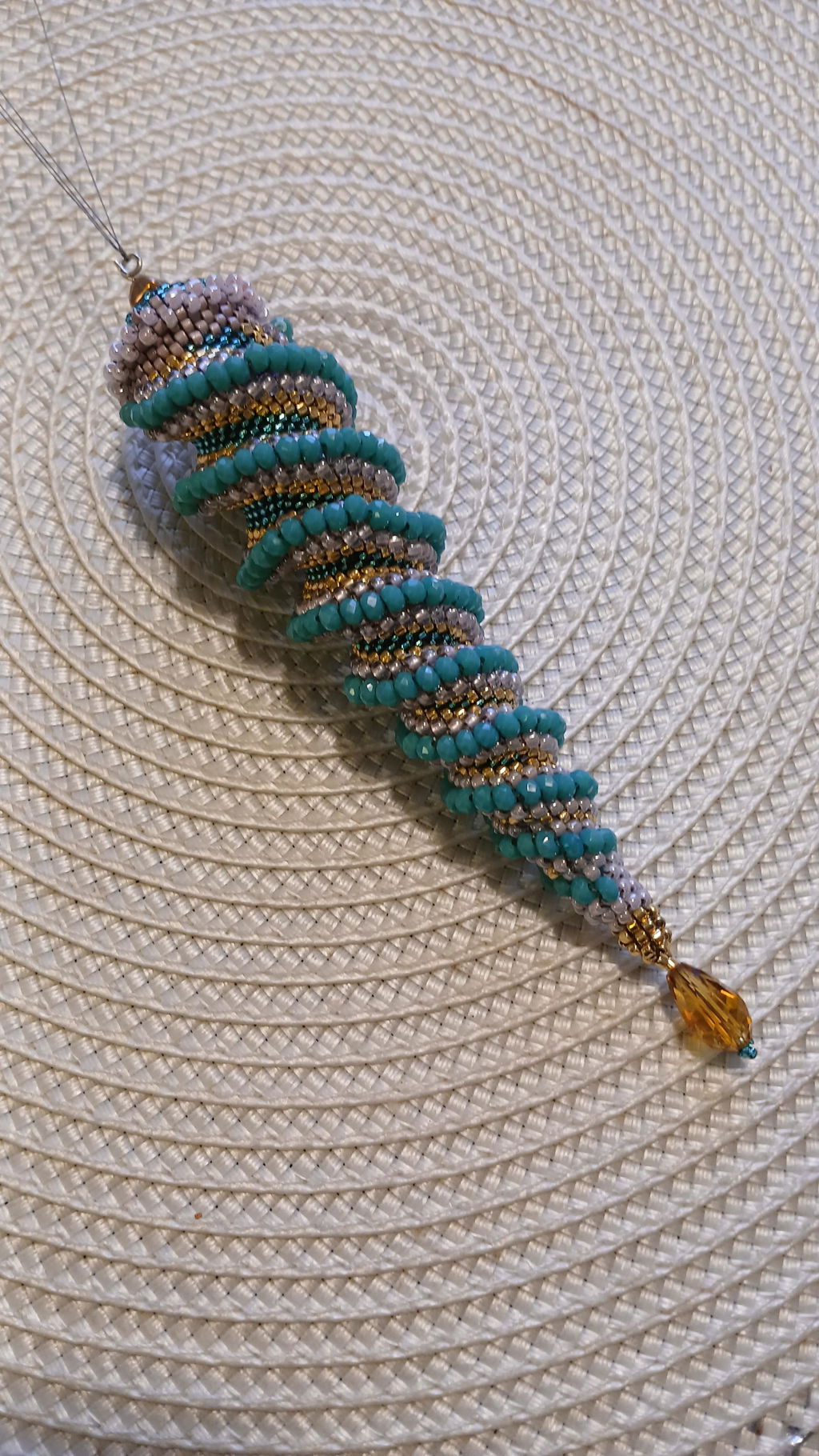
Overview
Seed beads are small, versatile beads used in jewelry making. They come in various sizes, shapes, and materials such as glass and plastic. These beads are popular among both beginners and experienced crafters for their ease of use and wide variety. The article explores their history, use in jewelry, techniques like embroidery and weaving, and sustainability tips. Seed beads offer a creative and satisfying experience for anyone looking to create unique jewelry.
Table of Contents
Key points
- Seed beads are small, versatile beads used in jewelry making.
- Miyuki is a well-known Japanese manufacturer of seed beads, known for quality and variety.
- Seed beads are available in various materials, including glass, plastic, metal, and ceramic.
- Common seed bead sizes include 11/0, 8/0, 6/0, and 15/0, where higher numbers mean smaller beads.
- Popular techniques for using seed beads include embroidery and weaving.
- Sustainability is important; choose high-quality and eco-friendly beads for your projects.
- Seed beads offer a creative platform for both beginners and experienced crafters.
Pros and Cons
| Advantages | Disadvantages |
|---|---|
| Versatility in use for various techniques and styles. | Requires some technique and patience to master. |
| Wide range of colors and sizes to choose from. | Some materials can be more expensive than others. |
| Easy to work with, making it accessible for beginners. | Can be time-consuming to create complex patterns. |
| Quality from manufacturers like Miyuki ensures durability. | The need to choose eco-friendly options can limit the selection. |
Who it's for (and who it's not for)
Who it's for
- Beginners in jewelry making: Seed beads are easy to work with and perfect for those just starting out.
- Experienced crafters: They offer versatility and opportunities to create complex patterns.
- Creative souls: If you enjoy experimenting with colors and techniques, seed beads will inspire you.
- Environmentally conscious individuals: Many manufacturers, including Miyuki, strive to create sustainable products.
Who it's not for
- People without patience: Jewelry making with seed beads can be time-consuming and requires precision.
- Those who prefer large jewelry: If you like larger beads or other materials, seed beads might feel limiting.
- Those not interested in crafting: If you don't enjoy creating or working with your hands, this might not be for you.
- People with allergies: Some seed beads are made from materials that can cause allergic reactions, such as plastic or metal.
Frequently Asked Questions
1. What are seed beads?
2. What materials are used to make seed beads?
3. How are seed beads used in jewelry making?
4. What sizes of seed beads are available?
5. How can one make jewelry making more sustainable?
Seed beads, or "fröpärlor" as they are also called in Swedish, are small, versatile beads often used in jewelry making. These beads come in various sizes, shapes, and colors, and they can be made from diverse materials such as glass, plastic, and ceramic. Their popularity is constantly growing among both beginners and experienced crafters due to their versatility and ease of use. In this article, we will explore what seed beads are, their history, and how they are used in jewelry making.
What are seed beads?
Seed beads are small beads that are usually round or cylindrical and used in various craft projects. The most famous seed beads come from Miyuki, a Japanese manufacturer known for its quality production and wide range of colors and sizes. Miyuki seed beads are particularly popular among jewelry makers in Sweden, as they provide a uniform and consistent product that is easy to work with.
The history of seed beads
Seed beads have a long and fascinating history dating back to antiquity. The origin of these beads goes back to the Egyptians who created them from glass. Over the centuries, the technique for creating seed beads has evolved, and today there are a variety of different types of seed beads on the market, including those manufactured by Miyuki.
Typical materials and sizes
Seed beads can be made from various materials, each with its own unique properties. Here is a list of common materials:
- Glass beads: The most common and popular, especially Miyuki seed beads.
- Plastic beads: Lightweight and durable, often cheaper than glass.
- Copper or metal: Gives a more industrial look to the jewelry.
- Ceramic beads: Provide a rustic feel and are often handmade.
Different sizes of seed beads
Seed beads come in various sizes, usually marked with a number category. The higher the number, the smaller the bead. Here is a table of some of the most common sizes:
| Size | Diameter (mm) | Description |
|---|---|---|
| 11/0 | 2.2 | Common size for jewelry making, good for detailed patterns. |
| 8/0 | 3.2 | Larger beads used for the main body of jewelry. |
| 6/0 | 4.0 | Large beads stretch the imagination in handmade projects. |
| 15/0 | 1.5 | Very small beads, perfect for detailed and intricate designs. |
How are seed beads used in jewelry making?
Seed beads are used in bracelets, necklaces, and earrings, among other things. It's easy to create unique and beautiful jewelry at home with these beads. Here are some common techniques used for jewelry making with seed beads:
Seed bead embroidery
One of the most popular techniques is to embroider with seed beads. This involves sewing the beads onto fabric, creating amazing patterns and designs. Embroidery also allows for combining different materials and colors to create unique works.
Weaving
Weaving seed beads is another popular technique in jewelry making. It involves using a loom or manually weaving the beads in a sequence to create a complete bracelet or necklace. Miyuki seed beads are especially popular in weaving due to their consistent shape and size.
Beading and Technique
Working with seed beads requires some technique and patience. If you are a beginner, you can start by following instructions in online courses or videos to better understand the process. Here are some tips to get started:
- Choose the right tools, including thread, needle, and scissors.
- Practice stringing beads before creating complex patterns.
- Be patient - jewelry making can take time, but the result is worth it!
Savings and sustainability
When working with seed beads, it is also important to consider sustainability. Many manufacturers, including Miyuki, strive to create environmentally friendly products. Here are some ways to make your jewelry making more sustainable:
- Choose high-quality seed beads that are durable and long-lasting.
- Reuse materials when possible, such as wires or clasps from old jewelry.
- Avoid plastic products – opt for glass or ceramic beads instead.
Summary of Benefits
Seed beads offer a range of benefits for beginners and experienced crafters. Some of these include:
- Versatility - seed beads can be used in a variety of techniques and styles.
- Wide range of colors and sizes, making it easy to find the perfect bead for your project.
- Easy to work with, making jewelry making accessible to everyone.
- Quality from manufacturers like Miyuki ensuring durability and beauty.
Get inspired to create!
Working with seed beads is a satisfying and creative activity that can produce results that are both beautiful and unique. Whether you are a beginner or an experienced jewelry maker, there are always new techniques and patterns to explore. Don't hesitate to dive into the world of seed beads and let your creativity blossom!
By using Miyuki seed beads and experimenting with different styles and techniques, you will soon be able to create amazing jewelry that you can be proud of. So get started, and let the adventure of jewelry making begin!
Glossary
| Term | Meaning |
|---|---|
| Seedbeads | Small beads used in jewelry making. |
| Miyuki | Japanese manufacturer known for high-quality seed beads. |
| Embroidery | Technique for sewing beads onto fabric to create patterns. |
| Weaving | Manually or with a loom creating jewelry from beads. |
| Glass beads | Most common type of seed beads, popular for jewelry. |
| Plastic beads | Lightweight and durable beads, often cheaper than glass. |
| Copper or metal | Beads that give an industrial look to jewelry. |
| Ceramic beads | Handmade beads that give a rustic feel. |
| Sustainability | Choosing environmentally friendly and long-lasting materials. |
| Technique | Skills and methods for working with seed beads. |
Linked product

Miyuki Seed Beads - Unions White Opaque Lila Luster 8/0, 22 Gram
Miyuki Seed Beads in Unions White Opaque Lila Luster are designed for various jewelry-making projects, offering both quality and aesthetic appeal. With a size of 8/0 (approximately 3.1 mm) and a hole size of about 1.1 mm, these beads are easy to thread and suitable for both beginners and experienced artisans. Each tube contains approximately 22 grams of beads, allowing for ample material to explore different designs and techniques.
View product