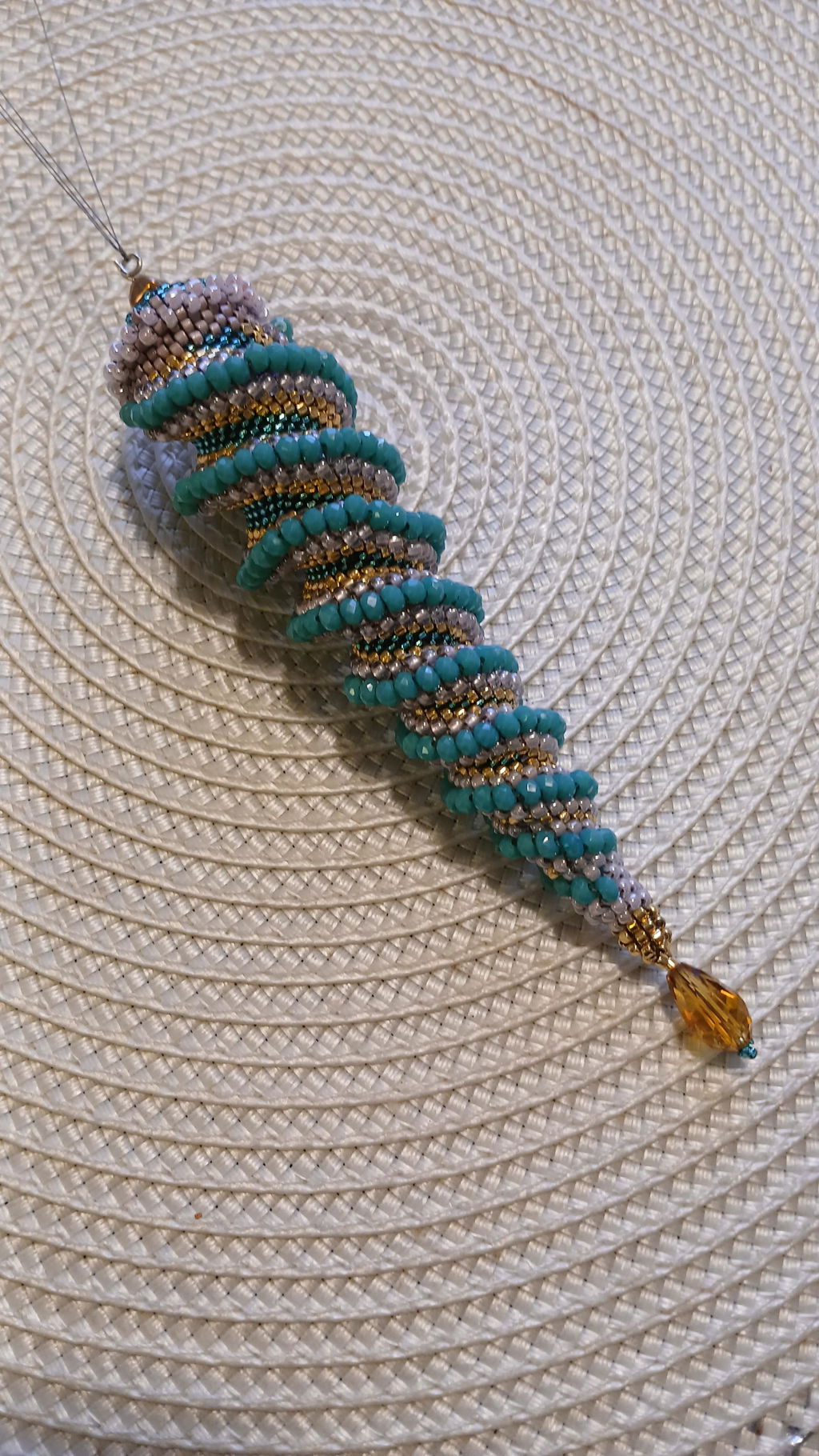
Overview
Learn the basics of jewelry maintenance and repair to extend its lifespan. The article covers essential tools, tips for different types of jewelry, and how to perform minor repairs.
Table of contents
- Why is maintenance important?
- Materials and tools you need
- Maintenance of different jewelry types
- Metal jewelry
- Gemstone jewelry
- Thread jewelry and seed beads
- Repairing broken jewelry
- Replacing broken chains
- Securing loose stones
- Preventive measures to protect your jewelry
- Summary of jewelry maintenance and repair
Key takeaways
- Regular cleaning: Clean metal jewelry with a soft cloth to remove dirt and oil.
- Storage: Store jewelry separately to avoid scratches and damage.
- Right tools: Use flat round pliers and cutting pliers for efficient chain repair.
- Gemstone care: Avoid harsh chemicals and wash gemstones with mild soap and water.
- Preventive measures: Remove jewelry when showering or exercising to protect it.
- Thread jewelry: Replace the thread every six months to prevent bead breakage.
- Repairing loose stones: Use strong adhesive to secure loose stones or seek professional help.
Pros and cons
| Pros | Cons |
|---|---|
| Extends the lifespan of jewelry | Requires time and commitment |
| Preserves shine and aesthetics | Can be costly if professional help is needed |
| Prevents allergies and irritations | Needs the right tools and materials |
| Increases the value of antique jewelry | Risk of damage from improper handling |
| Easy to perform basic repairs yourself | Requires knowledge to avoid mistakes |
Who it's for (and who it's not for)
Who should choose this?
- People who love jewelry: If you have a passion for jewelry and want to extend the lifespan of your favorite accessories, this is for you.
- DIY enthusiasts: If you enjoy creating and fixing things yourself, you will appreciate the practical tips for maintenance and repair.
- Those who want to save money: By learning how to maintain and repair your jewelry, you can avoid the costs of professional repairs.
Who should not choose this?
- Those who don't have time: If you have a busy lifestyle and cannot dedicate time to jewelry maintenance, this may be a challenge.
- People with no interest in crafts: If you are not interested in learning about jewelry repairs or maintenance, this topic may feel irrelevant.
- Those who prefer to hire professionals: If you prefer to leave all maintenance and repairs to experts, it may be better to continue with that.
Frequently asked questions
1. Why is jewelry maintenance important?
2. What tools are needed for jewelry maintenance?
3. How should I maintain metal jewelry?
4. What should I consider when maintaining gemstone jewelry?
5. How do I perform simple jewelry repairs?
Maintaining and repairing jewelry can feel like a challenge, but with the right knowledge and tools, you can easily extend the lifespan of your favorite accessories. In this article, we'll go through the basics of how to care for your jewelry and even perform simpler repairs. Whether you're working with seed beads or creating your own jewelry, these tips are invaluable.
Why is maintenance important?
Although jewelry is designed to look good, it also requires regular maintenance. Taking care of your jewelry can prevent damage and ensure it retains its shine and beauty. Here are some reasons why maintenance is important:
- Extends the lifespan of your jewelry
- Preserves aesthetics and shine
- Prevents the risk of allergies and irritations
- Increases the value of antique or unique jewelry
Materials and tools you need
Before you start maintaining and repairing jewelry, it's important to have the right materials and tools. Here is a list of basic tools for jewelry maintenance:
| Tool | Description |
|---|---|
| Flat round pliers | For shaping and bending wire and rings. |
| Cutting pliers | For cutting wire and materials. |
| 6-pack needles | Perfect for sewing and fixing small details. |
| Polishing cloth | Used to keep your jewelry shiny. |
| Adhesive | For repairing broken parts. |
Maintenance of different jewelry types
Metal jewelry
Metal jewelry is among the most popular. Here are some tips to keep them in top condition:
- Clean regularly with a soft cloth to remove dirt and oil.
- Store them separately to avoid scratches.
- Use a polishing cloth to restore their shine.
Gemstone jewelry
Gemstones require extra care. Here are some tips to maintain them:
- Avoid using harsh chemicals that can damage the surface.
- Wash them gently with water and a mild soap.
- Store them in a soft pouch or box for protection.
Thread jewelry and seed beads
Thread jewelry with seed beads is beautiful but can be fragile. Form them correctly:
- Avoid pulling the thread; this can cause the beads to come loose.
- Replace the thread every six months to prevent breakage.
- Apply a small amount of adhesive to the thread if you experience friction.
Repairing broken jewelry
Even with careful maintenance, jewelry can break. Here are some common repairs you can do yourself:
Replacing broken chains
If the links on a chain break, you can easily repair it:
- Use cutting pliers to remove the broken part.
- Use flat round pliers to open and close the rings.
- Attach a new link and secure it carefully.
Securing loose stones
For jewelry with loose stones, follow these steps:
- Check that the stone is actually loose and not completely missing.
- Use a strong adhesive or take it to a professional jeweler for a secure setting.
Preventive measures to protect your jewelry
Preventive maintenance is often easier and cheaper than making repairs. Here are some tips to protect your jewelry:
- Remove jewelry when showering or swimming to avoid contact with chlorinated substances.
- Avoid wearing jewelry when doing housework or exercising.
- Store jewelry in a cool or dark place to prevent fading.
Summary of jewelry maintenance and repair
Caring for and repairing jewelry doesn't have to be daunting. With these tips and tools, you can easily maintain your jewelry to keep it in fantastic condition. Remember to be patient and take your time learning the different aspects of jewelry maintenance. Whether you're using a 6-pack of needles for crafting or working with seed beads, you'll see the results of your work reward you many times over.
Now it's time to unleash your creativity and start taking great care of your jewelry!
Glossary
| Term | Meaning |
|---|---|
| Maintenance | The process of caring for jewelry to extend its lifespan. |
| Repair | Restoring broken or damaged jewelry. |
| Seedbeads | Small, round beads used in jewelry making. |
| Polishing cloth | Tool for keeping jewelry shiny and free from dirt. |
| Cutting snips | Tools for cutting wire and materials during repairs. |
| Gemstone jewelry | Jewelry containing gemstones, requiring special care. |
| Wire jewelry | Jewelry made of wire and beads, often delicate. |
| Allergies | Reactions to materials that can cause discomfort when wearing jewelry. |
| Preventive measures | Methods to protect jewelry from damage. |
| Professional goldsmith | Expert who can perform advanced repairs on jewelry. |
Linked product

Beading needles - Big eye assorted sizes, 6-pack
The beading needles in this 6-pack offer a practical solution for jewelry making, featuring a large eye that facilitates threading of both thick threads and multiple beads. With varying lengths, you can choose the needle that best suits your project, whether you're creating bracelets, necklaces, or earrings. Made from durable material, these needles are designed for long-lasting use and efficient craftsmanship.
View product