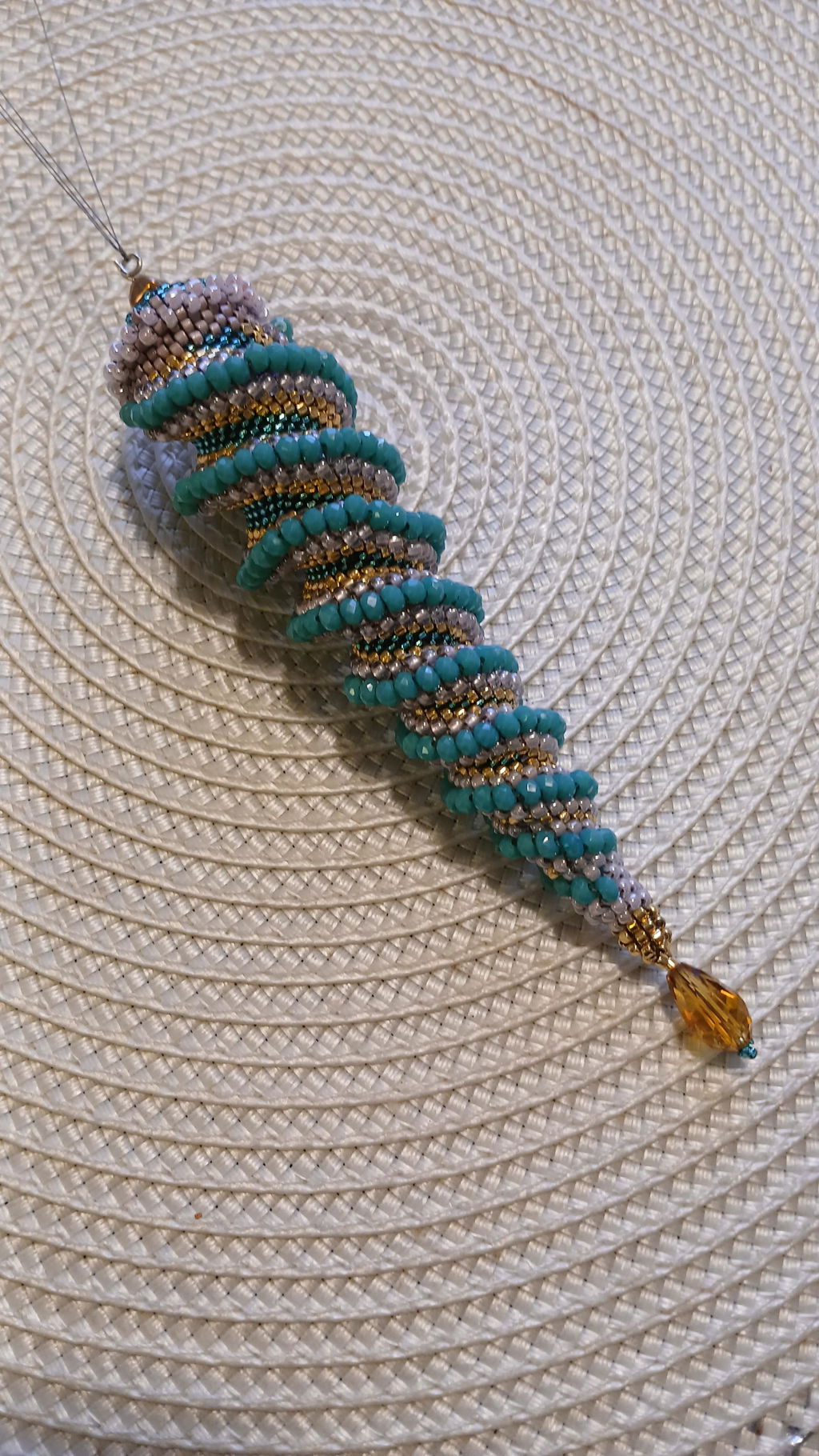
Overview
Jewelry components are crucial elements in jewelry making, including pendants, clasps, chains, and spacers. They can be made from various materials such as metal, pearls, stones, glass, and plastic. This article describes how to use jewelry components in the creation process, provides step-by-step instructions, and offers tips for both beginners and experienced creators. Creativity and personal style are central themes, and choosing the right jewelry components can significantly impact the final result of the piece.
In the world of jewelry making, jewelry components are a fundamental element that can transform a simple idea into a beautiful creation. These parts are essential for both beginners and experienced jewelers and have a multitude of uses. In this article, we will explore what jewelry components are, their different types, and how they are used in jewelry making.
What Are Jewelry Components?
Jewelry components are the various parts used to create jewelry. They can include everything from base materials and pendants to clasps and jump rings. These parts can be made from various materials such as metal, glass, plastic, or natural substances like wood or stones. The choice of jewelry components can greatly influence the final look and feel of the jewelry.
Types of Jewelry Components
There is an incredible variety of jewelry components that can be used in different types of jewelry. Here are some of the most popular categories:
1. Pendants
Pendants are decorative pieces that usually hang from chains or cords. They can be in the form of stones, figures, or other artworks and are crucial for creating unique jewelry.
2. Clasps
Jewelry components like clasps are important for securely fastening jewelry. There are several types of clasps, including lobster clasps, spring ring clasps, and magnetic clasps, each with its own unique features and style.
3. Chains
Chains are often a fundamental part of jewelry such as necklaces or bracelets. They can vary in thickness, style, and material, which means that jewelry components like chains can affect the entire aesthetic of the piece.
4. Spacers
Spacers are small decorative elements placed between larger jewelry components to create different patterns and designs. These can be in the form of small beads, stones, or metal details.
Materials Used in Jewelry Components
The material of jewelry components affects both the appearance and durability of the finished jewelry. Here are some common materials and their properties:
Metal
Metal is one of the most widely used materials in jewelry components. There are different types of metals, such as gold, silver, and brass, each offering its own unique beauty and style. Metallic jewelry components are often very durable and can be used to create both elegant and robust jewelry.
Pearls
Pearls add a touch of elegance and tenderness to jewelry. They can be natural or artificial and are often used as pendants or spacers in jewelry. Pearls are popular in both classic and modern designs.
Stones
Gemstones and natural stones are popular jewelry components that can add color and character to jewelry. There are many different types of stones, such as diamonds, emeralds, and amethysts, and each stone has its own meaning and beauty.
Glass and Plastic
Glass and plastic are cost-effective alternatives that offer a wide range of colors and styles. They can be used to create modern and playful jewelry, making them popular jewelry components for beginners and those who want to experiment with different patterns.
How to Use Jewelry Components in the Creation Process
Using jewelry components in jewelry making can be both simple and creative. Here are some steps to help you get started:
Step 1: Plan Your Design
Before you begin, sketch out your design. Consider which jewelry components you want to use and how they will interact with each other. It's important to have a clear vision to ensure your jewelry has the feel and style you desire.
Step 2: Choose Jewelry Components
Select the jewelry components that fit your design. Consider material, color, and shape. Experimenting with different combinations can lead to exciting and unexpected results.
Step 3: Mix and Match
You can always mix different jewelry components to create something unique. For example, you can combine metal chains with glass beads for an interesting contrast. Let your creativity flow!
Step 4: Assemble the Jewelry
Once you have chosen your jewelry components, it's time to start assembling. Use tools like pliers and wire to attach the parts in place. Make sure everything is securely fastened.
Step 5: Finish and Adjust
Once your jewelry is complete, take a moment to assess the final result. Adjust if necessary and ensure it is both beautiful and durable. When you are satisfied with your creation, it's time to show it off!
Tips and Tricks for Using Jewelry Components
Here are some tips for getting the most out of your jewelry components:
- Consider Balance: When choosing jewelry components, consider the weight and size of each part to create balance in the design.
- Be Creative: Don't hesitate to experiment. The combination of different jewelry components can lead to fantastic results.
- Keep it Simple: Sometimes less can be more. Focus on creating a clean and elegant design.
- Invest in Quality: Choose high-quality jewelry components to ensure durability and beauty in your jewelry.
Popular Jewelry Components to Explore
There are always new jewelry components to discover. Keep an eye out for trends and news in jewelry making, as well as in online stores that offer a wide range. Many jewelers are inspired by different cultures and styles, which can provide new perspectives on how to use jewelry components.
When You Need Jewelry Components
Depending on your level of experience, you may need different types of jewelry components. Here are some tips on when it's appropriate to start using different jewelry components:
Beginners
If you're a beginner, start with basic jewelry components such as chains, clasps, and simple jump rings. Use kits that provide everything you need to create your first pieces of jewelry.
Experienced Creators
For those with experience, consider more complex jewelry components like findings that require more finesse and knowledge. Also, experiment with different materials to create unique and personal compositions.
What to Consider When Buying Jewelry Components
When shopping for jewelry components, consider the following:
- Material: Choose materials that suit your needs. Metal is more durable, while plastic can be easier to handle.
- Prices: Compare prices between different stores to get the best deals without compromising on quality.
- Reviews: Read reviews from other customers to see what they think of different jewelry components.
- Design and Style: Consider the style you want and choose jewelry components that fit this vision.
Make Your Jewelry Personal
One of the most exciting aspects of working with jewelry components is the opportunity to personalize your creations. By combining different jewelry components, you can tell a story or express something that is important to you.
Creativity Without Limits
Working with jewelry components can be a fantastic outlet for creativity. Whether you're making jewelry for yourself or for others, the possibilities are endless. The creative process, from idea to finished product, can be incredibly satisfying and provide a sense of accomplishment.
Jewelry components are truly the heart of jewelry making. By understanding what they are, how they are used, and how to combine them to create unique designs, both beginners and experienced jewelers can realize their visions. Let your own creativity flow, and start creating now!