Overview
Creating your own jewelry is a creative hobby that requires knowledge of jewelry components such as beads, stones, and metal parts. Choose the right parts based on style and budget, and use basic tools. Practice, follow tutorials, and network to improve your skills. The jewelry market is growing, so stay updated on trends and products. Let your creativity flow!
Table of Contents
Key takeaways
- Jewelry components: Understand the different components such as stones, beads, and metal to create durable jewelry.
- Types of beads and stones: Use genuine pearls, semi-precious stones, and glass beads to give jewelry a unique character.
- Metal selection: Choose between silver, gold, and steel depending on style and budget.
- Tools: Have basic tools such as beading needles, flat-nose pliers, and chain cutters for efficient jewelry making.
- Tips for beginners: Practice, experiment, and follow online tutorials to improve your skills.
- Where to buy: Explore local craft stores, online shops, and craft fairs to find jewelry components.
- The future: Stay updated on trends and new products to develop your jewelry making skills.
Pros and Cons
| Pros | Cons |
|---|---|
| Promotes creativity and self-expression. | Requires time and patience to learn techniques. |
| Can be a cost-effective hobby if you choose the right materials. | Needs investment in tools and materials. |
| Offers the opportunity to create unique, personalized jewelry. | Can be challenging to choose the right jewelry components and styles. |
| Supports local businesses by purchasing materials. | Can be difficult to find quality materials when shopping online. |
Who it's for (and who it's not for)
Who should choose this?
- Creative souls: If you love to create and experiment with different materials and techniques.
- DIY enthusiasts: If you have an interest in do-it-yourself projects and want to create personalized jewelry.
- People with an eye for detail: If you have a sense of design and appreciate unique and custom-made jewelry.
- Budget-conscious individuals: If you want to create jewelry without spending too much money on ready-made products.
Who should not choose this?
- People without an interest in crafts: If you don't enjoy working with your hands or creating things.
- Those in a hurry: If you are looking for quick solutions and don't have time to invest in jewelry making.
- Those who prefer ready-made products: If you'd rather buy finished jewelry than create it yourself.
- People with limited creativity: If you feel you have difficulty coming up with ideas or concepts for your own jewelry.
Creating your own jewelry can be a fantastic and creative hobby. With the right knowledge about jewelry components and jewelry making, you can turn your ideas into beautiful, personalized pieces. In this article, we will delve deep into what you need to know about jewelry components and provide tips and advice to get you started with your jewelry making.
What are jewelry components?
Jewelry components are the parts used to create jewelry. These parts can be anything from stones, beads, and metal components to clasps, chains, and wires. Understanding the different jewelry components is essential for creating professional and durable jewelry.
Types of jewelry components
Beads and stones
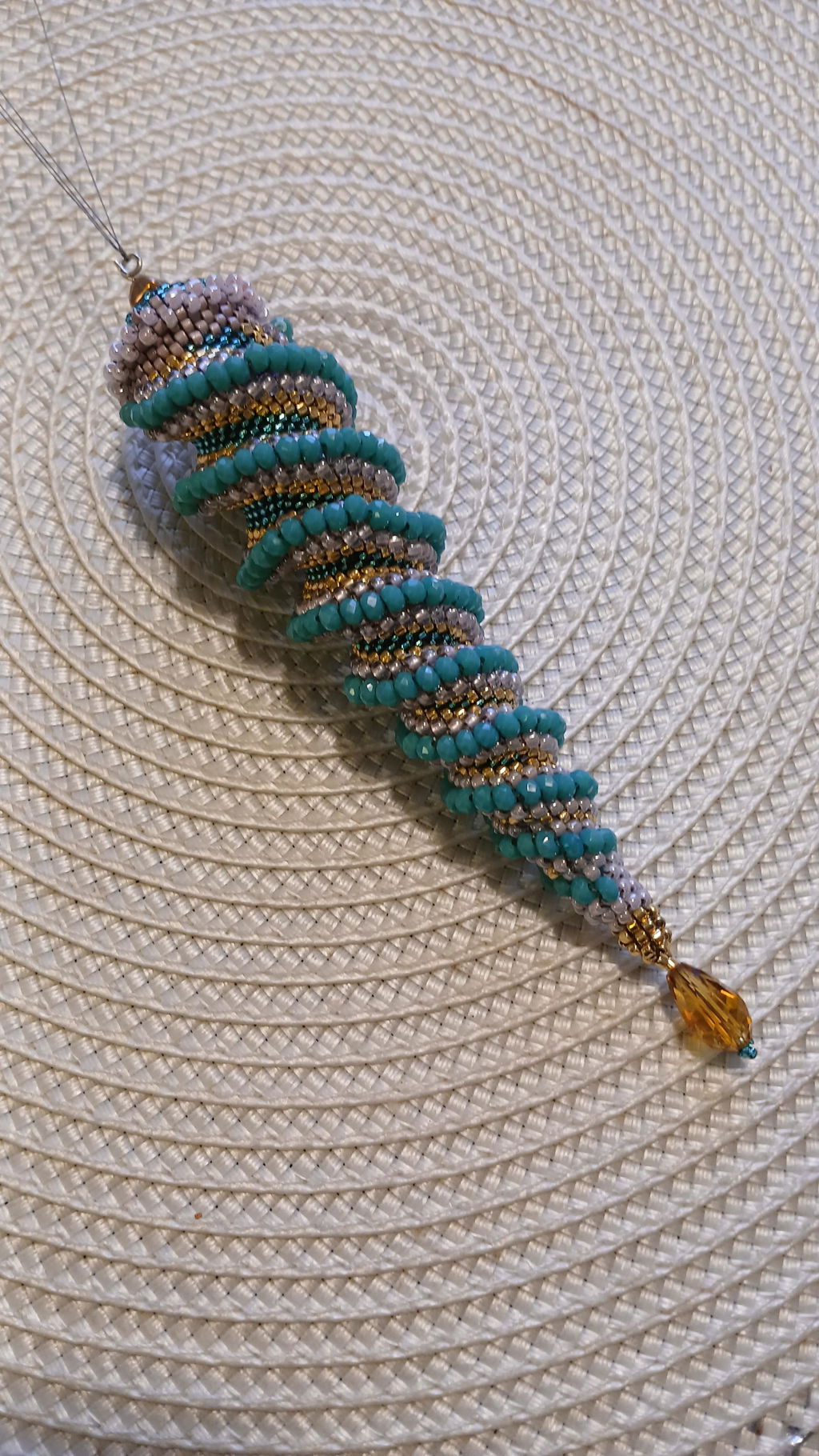
Beads and stones are perhaps the most visible parts of a piece of jewelry. They can vary in shape, size, and color, and are often used to give jewelry a unique character. Here are some common types:
- Genuine pearls: Natural or cultured pearls used to create elegant jewelry.
- Semi-precious stones: Stones like amethyst and lapis lazuli, often used to add a splash of color.
- Glass beads: Cheaper alternatives available in various shapes and colors.
Metal components
Metal components are fundamental to many different types of jewelry. Here are the main types of metals used in jewelry making:
| Type of metal | Description |
|---|---|
| Silver | A popular and relatively inexpensive metal, often used in jewelry making. |
| Gold | A luxurious metal available in various karats and colors. |
| Steel | A durable and rust-resistant metal, great for modern jewelry. |
How to choose the right jewelry components
The choice of jewelry components depends on several factors, including style, budget, and the type of jewelry you want to create. Here are some tips for choosing the right jewelry components:
- Consider your style: What do you like? Feminine, modern, rustic, or colorful jewelry?
- Set a budget: Categorize your jewelry components into different price ranges to keep your expenses in check.
- Do your research: Read reviews and guides for the different types of jewelry components.
Tools for jewelry making
In addition to jewelry components, you also need the right tools to facilitate jewelry making. Here are some basic tools you should have:
- Beading needles: For stringing beads and creating chains.
- Flat-nose pliers: Perfect for shaping and opening/closing metal components.
- Chain cutters: A special type of cutter for handling wires and chains.
Tips for jewelry making
When you start with jewelry making, it can be helpful to keep a few tips in mind:
- Practice: The more you create, the better you become. Experiment with different jewelry components and techniques.
- Follow tutorials: There are many resources online, including videos and blogs, that offer step-by-step guides.
- Network: Participate in jewelry groups on social media for inspiration and support.
Where to buy jewelry components
There are several places where you can buy jewelry components. Here are some suggestions:
- Local craft stores: Support local businesses and find unique components.
- Online stores: Search for specialized online stores for jewelry components.
- Markets and fairs: Visit craft fairs to meet suppliers and see products in person.
The future of jewelry components and jewelry making
With increasing interest in DIY (do it yourself) and personal creation, the market for jewelry components and jewelry making is expected to continue to grow. Stay informed about trends and new products to always be a step ahead in your design process.
It's all about creativity
Jewelry components are the foundation for creating your own unique jewelry. By understanding the different parts and techniques in jewelry making, you can turn your visions into reality. Don't hesitate to experiment, create, and most importantly, have fun! Let your creativity flow and enjoy every step of your jewelry-making journey.
Glossary
| Term | Meaning |
|---|---|
| Smyckesdelar | Components used to create jewelry. |
| Pärlor | Round jewelry components, often made of natural materials or glass. |
| Halvädelstenar | Stones like amethyst, used for color and style. |
| Metallkomponenter | Metal parts used in jewelry making. |
| Pärlnålar | Tools for stringing beads and creating chains. |
| Plattång | Tools for shaping and closing metal components. |
| Kedjeavklippare | Tools for handling wires and chains. |
| DIY | Do It Yourself; creating one's own projects. |
| Hantverksbutiker | Stores selling materials for crafts and jewelry making. |
| Onlinebutiker | Websites that sell jewelry components and materials. |
Linked product

Bead Embroidery Foundation - Black 28x21.5cm 1 piece
The Bead Embroidery Foundation - Black 28x21.5cm is an ideal platform for both beginners and experienced jewelry makers. The stiff felt-like material provides stability during the embroidery process, while the washable and shrink-free design ensures long-lasting use. Measuring 28 x 21.5 cm, you have ample space to bring your creative ideas to life.
View product