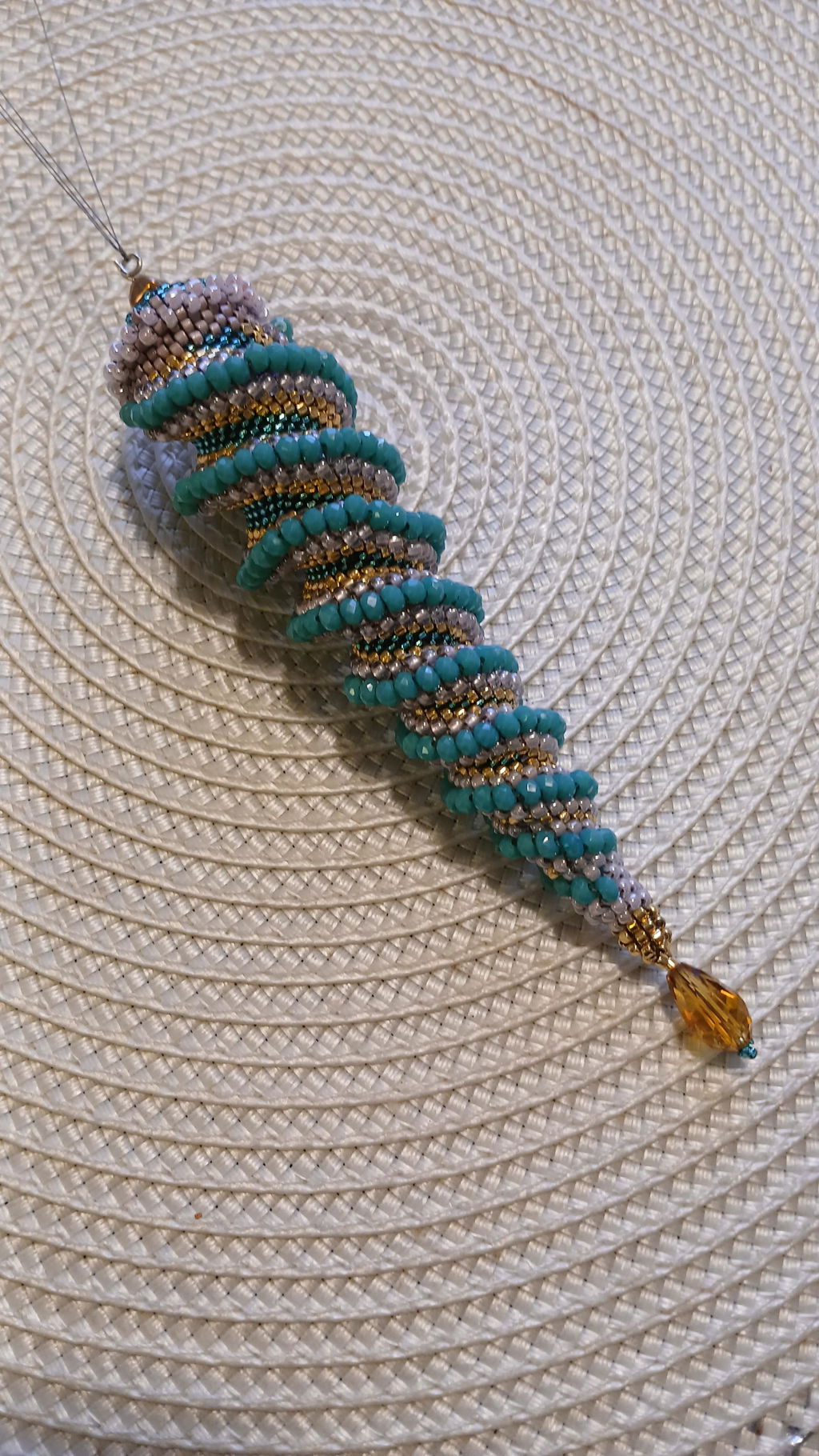
Overview
Jewelry findings, such as chains, clasps, beads, and loops, are crucial components for creating unique jewelry. This article reviews types of jewelry findings, material choices, how to choose the right accessories, current trends, and common mistakes to avoid. It also inspires jewelry design with creative ideas.
Frequently Asked Questions
1. What are jewelry findings?
2. What are common types of jewelry findings?
3. How do you choose the right jewelry findings?
4. What are the trends in jewelry findings?
5. What common mistakes should be avoided in jewelry design?
Understanding the differences between various types of jewelry components is crucial for both crafters and jewelry enthusiasts. Jewelry findings, which include everything from chains and clasps to loops and beads, come in various forms and materials, which can affect both appearance and function. In this article, we'll dive deep into the world of jewelry findings and help you navigate this fascinating realm.
What are jewelry findings?
Jewelry findings are the components used to create and complete jewelry. These components can range from basic structures like chains and bracelets to smaller parts like clasps, pendants, and details. By using various jewelry findings, you can create unique and personal jewelry that truly reflects an individual's style.
Common types of jewelry findings
Chains
Chains are often used as the base for necklaces and bracelets. They come in many different styles, including link chains, cable chains, and serpentine chains. Materials can vary from gold and silver to leather and synthetic materials. The choice of chain has a significant impact on the final look of the jewelry.
Clasps
The clasp is an essential part of any necklace or bracelet. There are two main types of clasps: those that can be opened and closed, and permanent clasps that cannot be removed. Examples of openable clasps include lobster clasps and magnetic systems, while permanent clasps can be knots or glued fastenings.
Beads
Beads are fantastic additions to jewelry and come in a multitude of shapes, sizes, and materials. From classic natural pearls to modern plastic beads, each type of bead gives a unique feel to the piece. Knowing how to use beads can truly elevate the quality of your jewelry.
Loops and fasteners
Loops and fasteners are often the small details that make a big impression. They are used to attach different jewelry components together and allow for flexibility in design. By using different types of loops, such as soldered or open, you can influence both the strength and style of the finished piece.
Differences in materials
The choice of material is one of the biggest factors affecting the appearance and durability of jewelry findings. Here are some of the most common materials used:
- Precious metals: Gold, silver, and copper are classic options for durability and elegance.
- Plastic: An affordable and lightweight option that can be formed into many styles and colors.
- Leather: Provides a rustic feel and is often used in bracelets and pendants.
- Stones: Natural or artificial stones can be added for extra sparkle and personality.
How to choose the right jewelry findings
Choosing the right jewelry findings can be overwhelming, but here are some tips to make the process easier:
- Consider the style: Think about the style you want to achieve and choose jewelry findings that complement it.
- Material choice: Select materials that fit both your budget and are durable for your intended purpose.
- Test combinations: Play around with different jewelry findings and design combinations to find what feels right for you.
Trends in jewelry findings
New trends emerge in jewelry design every year. Here are some of the latest trends when it comes to jewelry findings:
- Natural materials: Jewelry incorporating natural elements, such as wood and stones, continues to be popular.
- Minimalism: Simple and elegant jewelry findings are gaining ground as a way to express oneself without overdoing it.
- Recycling: Many designers are turning to recycled materials to create unique jewelry with an eco-friendly twist.
Common mistakes to avoid
When working with jewelry findings, it can be easy to make mistakes. Here are some common mistakes to avoid:
- Excessive decoration: Overcomplicating jewelry can detract from its beauty. Keep it simple.
- Incorrect material choice: Ensure that the materials you choose stand the test of time and are suitable for the jewelry's purpose.
- Clasps that are too tight: Clasps that are too tight can make it difficult to put on the jewelry and can cause wear and tear.
Inspiring ideas for jewelry design
If you're unsure how to combine different jewelry findings, the following ideas can inspire you:
- Layering: Use multiple layers of chains with different lengths and textures for an interesting look.
- Color blocking: Combine jewelry findings in different colors to create a vibrant and eye-catching style.
- Mix of materials: Mix metal with leather and beads for a cool and modern feel.
It's time to create!
Understanding the differences between various types of jewelry components and how to use them can truly enhance your design process. Whether you're a beginner or an experienced jewelry designer, there are always new skills to learn and trends to explore. Take the plunge and experiment with your own jewelry findings – create unique and beautiful jewelry that reflects both your personal style and the countless possibilities that exist in the world of jewelry findings. It's not just a craft, but an opportunity to express your creativity and personality.