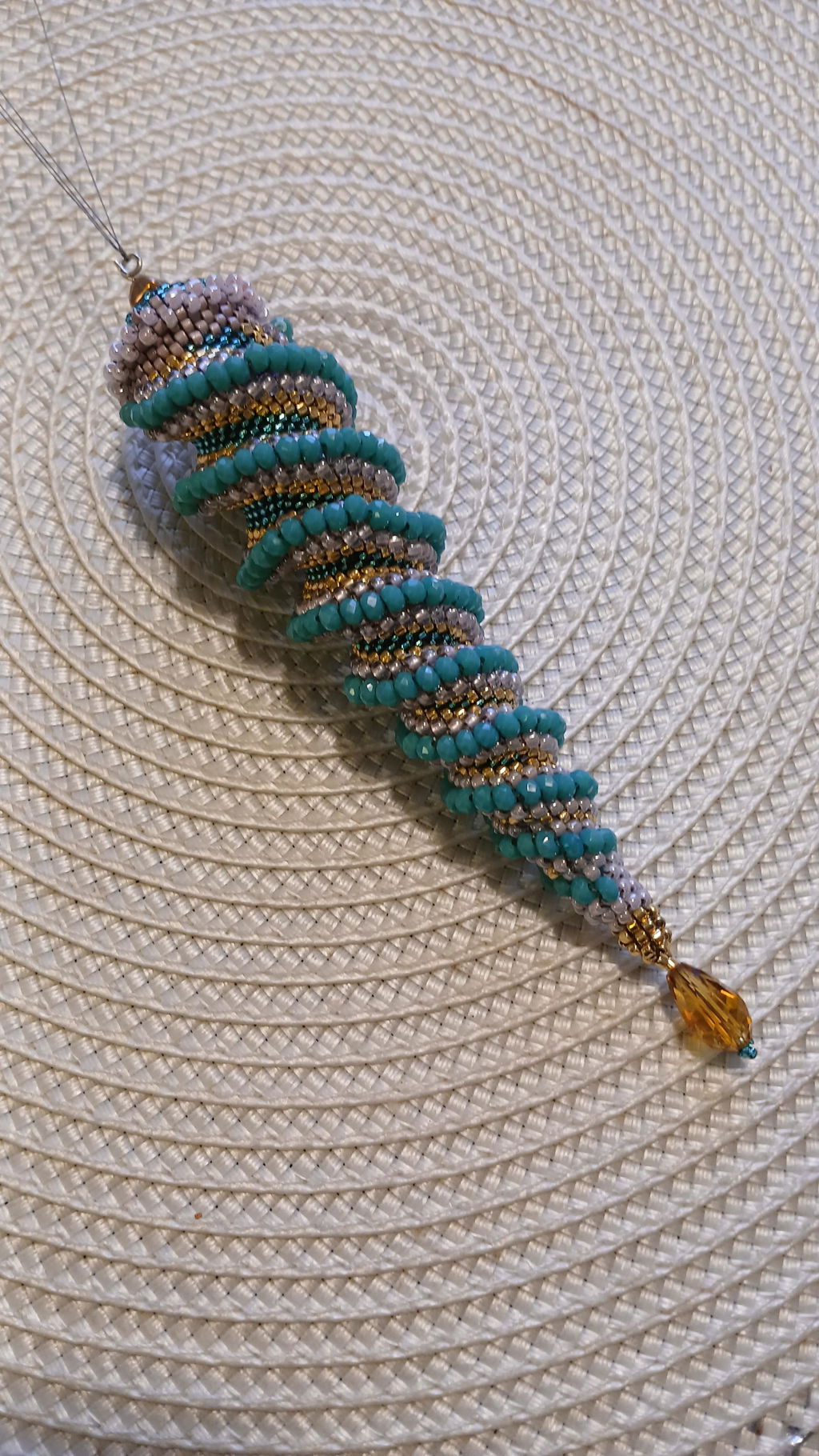
Overview
Planning jewelry making is crucial for success. Define your vision, choose materials, determine the style, and select the right techniques and tools. Keep costs under control through budgeting and reuse. Create prototypes to test the design before manufacturing the final piece of jewelry. Then share your work to inspire others.
Table of Contents
- Why Planning Is Important
- Steps to Plan Your Jewelry
- 1. Define Your Vision
- 2. Choose Materials
- 3. Determine Style and Themes
- 4. Technique and Tools
- Keeping Costs Under Control
- Prototype and Test Your Design
- Key Questions to Ask Yourself When Prototyping:
- Implementing Your Plan
- Finishing and Final Details
- Tips to Give Your Jewelry That Little Something Extra:
- Inspire Others With Your Work
Key takeaways
- Define your vision: Create a clear sketch or design to visualize your jewelry.
- Choose the right materials: Use beeswax, seed beads, gemstones, and metal for various effects.
- Determine style and theme: Select a style such as bohemian, romantic, or minimalist to focus your design.
- Plan techniques and tools: Choose the right tools based on your materials and techniques.
- Budget carefully: Make a material list and compare prices to keep costs under control.
- Prototype your design: Test size and shape with simpler materials before making the final version.
- Inspire others: Share your creation and experiences on social media to motivate others to start making jewelry.
Pros and Cons
| Pros | Cons |
|---|---|
| Provides clarity in the vision and goals for the design. | Can feel time-consuming to create a detailed plan. |
| Increases efficiency and reduces adjustments during the process. | Risk of getting bogged down in details and losing creativity. |
| Saves money by avoiding incorrect material choices. | Requires investment in tools and materials, which can be costly. |
| Prepares technically and helps choose the right tools. | Can lead to frustration if the plan is not followed. |
| Increases the chance of a successful final result. | Requires time for prototyping and testing before final production. |
Who it's for (and who it's not for)
Who It Is For
- Curious creators: If you have a passion for creating and want to explore jewelry making, this planning process is perfect for you.
- Organized individuals: If you like to have a clear plan and structure before starting, you will appreciate these steps for planning your jewelry.
- Budget-conscious: If you want to keep costs under control and avoid unnecessary expenses, planning is crucial for choosing the right materials.
- Technically interested: If you are interested in various techniques and tools for jewelry making, this article will give you valuable insight.
Who It Is Not For
- Disorganized creators: If you prefer to improvise and don't want to follow a plan, this process might feel limiting for you.
- Those in a hurry: If you seek quick results without spending time on planning, this approach might not be for you.
- People uninterested in details: If you don't care about material choices and technical aspects, jewelry making might feel frustrating.
- Those unwilling to invest time: If you are not willing to spend time sketching and planning, it might be difficult to achieve a satisfactory result.
Frequently Asked Questions
1. Why is planning important in jewelry making?
2. How do I define my vision for the jewelry?
3. What materials are common in jewelry making?
4. What steps should I follow to plan my jewelry?
5. How can I keep costs under control when making jewelry?
Creating jewelry is an art and a passion for many. Without a plan, the process can feel overwhelming. It is important to start with a solid foundation to ensure success. In this article, we will explore some valuable tips for planning your jewelry before you start making it. We will focus on fundamental elements such as design, material selection, and techniques like beeswax jewelry making and the use of seed beads. Let's dive into the world of jewelry making!
Why Planning Is Important
Planning is crucial to ensure a successful outcome in jewelry making. It's not just about choosing materials, but also about understanding the vision and purpose of your jewelry. Here are some reasons why planning is important:
- Clarity of Vision: A clear plan helps you visualize the final result.
- Efficiency: Having a plan reduces the time you spend adjusting and changing during the process.
- Cost-effectiveness: You reduce the risk of buying the wrong materials, which saves money.
- Technical Preparation: If you plan correctly, you can choose the right techniques and tools for your specific project.
Steps to Plan Your Jewelry
Once you understand the importance of planning, you can start by following these steps to ensure your jewelry making proceeds smoothly:
1. Define Your Vision
Before you begin, take time to define what you want to achieve. Do you want to create something elegant, casual, or perhaps something more extravagant? Feel free to sketch out your ideas. It can be a quick hand-drawn sketch or a digital design. Having a visual representation of your vision will facilitate your work.
2. Choose Materials
The choice of materials is central to jewelry making. Here are some commonly used materials:
| Material | Application |
|---|---|
| Beeswax | Common in jewelry making to create a beautiful surface and texture. |
| Seed beads | Perfect for creating patterns and details in the jewelry. |
| Gemstones | To provide a luxurious feel and color. |
| Metal | Good for durability and rigidity. |
3. Determine Style and Themes
Choosing a style and theme for your jewelry can help focus your design. Do you want it to be bohemian, romantic, minimalist, or perhaps inspired by nature? Think about what colors and shapes might fit your chosen theme.
4. Technique and Tools
The choice of technique is crucial for the final appearance of the jewelry. Depending on the materials you choose, you will also need different tools. Here are some techniques and tools to consider:
- Beeswax jewelry making: This technique requires specific tools such as beeswax and molds.
- Bead stringing: Use seed beads to attach different elements together.
- Jewelry design software: There are programs to assist with digital design.
Keeping Costs Under Control
One of the biggest challenges in jewelry making is keeping costs in check. Here are some tips for budgeting your project:
- Make a Material List: Write down all the materials you need and analyze the costs.
- Shop Smart: Compare prices from different suppliers and try to take advantage of offers and sales.
- Reuse Materials: If you have old jewelry, you can reuse parts for new projects.
Prototype and Test Your Design
Before proceeding to make the final version of your jewelry, it can be beneficial to create a prototype. This can be done with simpler materials to test size and shape. It also helps you identify potential problems in the design before investing time and money in the final product.
Key Questions to Ask Yourself When Prototyping:
- Are the size and proportions as I expected?
- Do I need to adjust any elements for better balance?
- Are the materials as durable as I want them to be?
Implementing Your Plan
Once everything is in place and you are satisfied with your prototype, you can begin making your jewelry. Stick to your plan and refer back to your sketches and notes to ensure you stay on track.
Finishing and Final Details
The final stage of jewelry making involves finishing and adding details. This may include polishing surfaces, attaching clasps, or adding glyphs.
Tips to Give Your Jewelry That Little Something Extra:
- Create unique packaging: Present your jewelry elegantly.
- Add a personal touch: Consider adding initials or a date.
- Reflect on sustainability: Use eco-friendly materials in your packaging.
Inspire Others With Your Work
Once your jewelry is complete, share your creation with the world! Use social media to reach out and inspire others to start making jewelry. This can be done by sharing pictures, tutorials, or just your creative process. Feel free to also share your thoughts and experiences on beeswax jewelry making and the use of seed beads, which can be valuable for others on the same journey.
By following these steps and advice, you can ensure that your jewelry planning is both successful and inspiring. Your creative passion can lead to amazing works; it all starts with an idea and a plan. Let your imagination flow and remember that every piece of jewelry tells a story. Your jewelry-making adventure has only just begun! Good luck!
Glossary
| Term | Meaning |
|---|---|
| Planning | The process of defining goals and steps for jewelry making. |
| Beeswax | Material used to create surface and texture in jewelry. |
| Seedbeads | Small beads used to create details and patterns. |
| Prototype | An early version of the jewelry to test design and function. |
| Material list | A list of all necessary materials for your project. |
| Jewelry design software | Digital tools to assist with the design process. |
| Style and theme | The overall look and feel of the jewelry. |
| Cost-effectiveness | Minimizing expenses through smart material choices and planning. |
| Tools | Equipment needed to make jewelry. |
| Finishing | The final step where details and closures are added. |
Linked product

Beeswax - 1 Pack for Jewelry Making
Beeswax for jewelry making is a practical and versatile product that enhances the sewing experience by waxing threads, reducing fraying and increasing durability. The lightweight and user-friendly packaging makes application easy, making it ideal for both beginners and experienced jewelry makers. Use beeswax on various types of threads, including nylon, polyester, and cotton, to achieve professional results.
View product