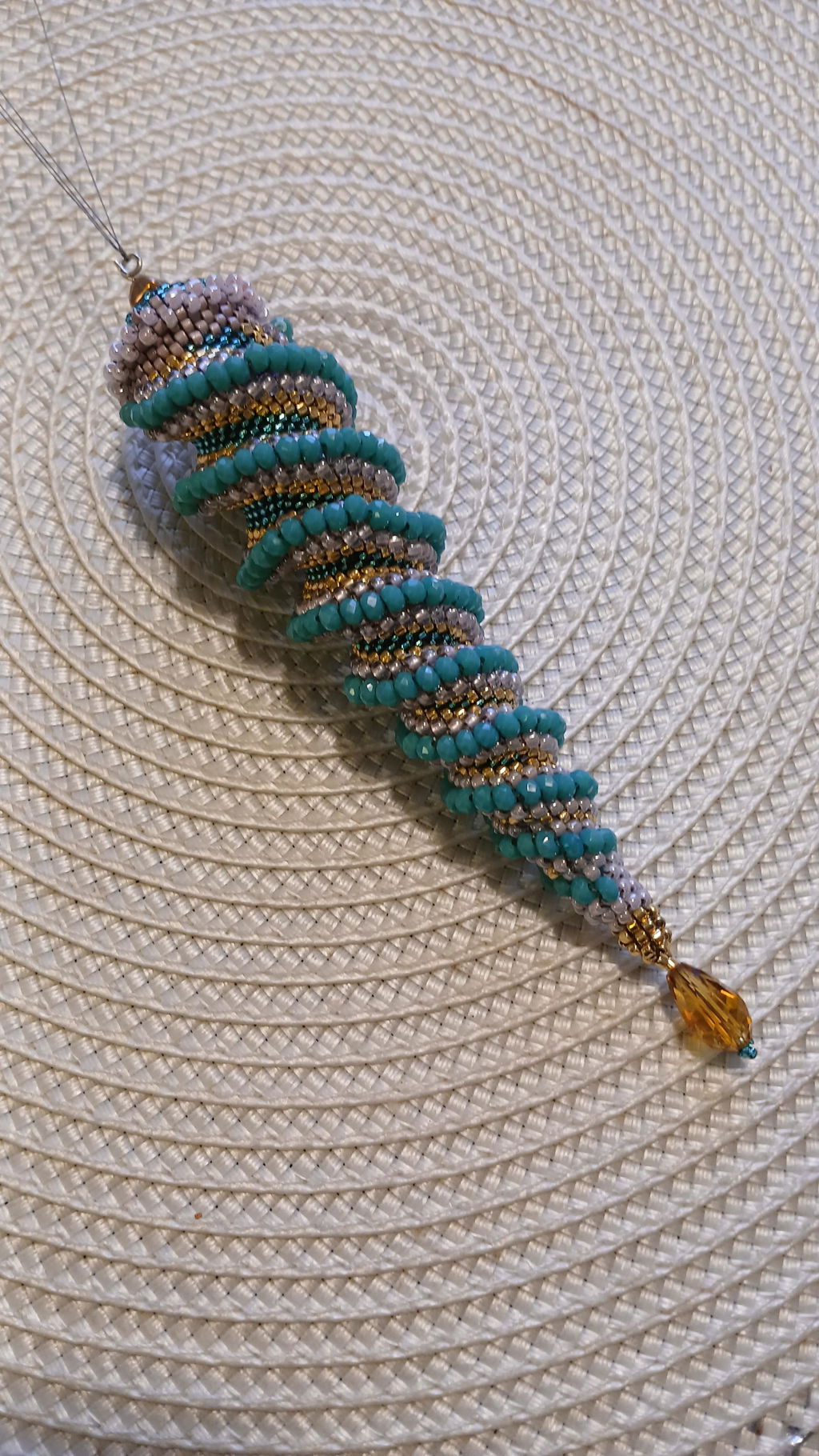
For centuries, pearls have been more than just beautiful decorations; they carry deeper meanings and traditions in various cultures worldwide. From ancient civilizations to modern jewelry making, pearls have played a central role in people's lives. In this article, we delve into the fascinating meanings of pearls in different cultures and how they have shaped jewelry making throughout history.
Pearls in Ancient History
Even in ancient times, pearls were appreciated for their beauty and rarity. In Mesopotamia and Egypt, pearls were symbols of wealth and status. They were used by royalty and in religious contexts, demonstrating their importance in the jewelry making of that era.
Pearls in Egyptian Culture
In ancient Egypt, pearls were considered sacred and were used in jewelry that adorned both the living and the dead. This shows how crucial jewelry making was in their burial rituals. Pearls were believed to represent purity and eternity—qualities that were essential to the Egyptian view of the afterlife.
Pearls in Indian Tradition
For many Indian cultures, pearls are a symbol of wisdom and integrity. In Indian jewelry making, pearls are often used during weddings and other ceremonies to convey happiness and prosperity. Jewelry ranging from traditional necklaces to bracelets often incorporates pearls and carries cultural meanings.
Pearls in Asia
In Asia, and particularly in China, pearls have a tradition of symbolizing good fortune and protection. Even in the world of jewelry making, pearls are a recurring component and are used in everything from clothing to home decor. In Chinese culture, pearls are often considered to have medicinal value, and their presence in jewelry is believed to provide the wearer with protective powers.
Pearls in Japan
In Japan, pearls are deeply rooted in the culture, where they are often associated with elegance and beauty. In traditional jewelry making, pearls are used to make kimonos and also jewelry worn by geishas. The fine art behind Japan's pearl markets, where they specialize in creating unique pearl jewelry, exemplifies the dedication within jewelry making.
Pearls in Western Culture
During the Middle Ages in Europe, pearls symbolized high social status and were often used by the nobility. Jewelry making at that time focused heavily on the beauty of pearls and their ability to express power and wealth.
The Renaissance and Baroque
With the advent of the Renaissance, the use of pearls in jewelry became even more extravagant. Large pearls, often combined with diamonds and other gemstones, became a sign of wealth and status. The Baroque period saw an increase in pearl jewelry that was both decorative and symbolic, continuing to shape jewelry making through the centuries.
Pearls in Modern Times
Today, pearls come in many different forms and colors, making them a popular component in jewelry making. From classic pearl necklaces to modern designer jewelry, pearls continue to be a symbol of style and elegance. They are often used in both formal and everyday jewelry and have been adapted to suit many modern jewelry styles.
Cultural Respect and Pearls
It is important to emphasize the cultural respect that accompanies the use of pearls in jewelry making. Many cultures focus on the importance of sustainability and respect for the environment when it comes to pearl harvesting. Supporting these ethical and sustainable practices is crucial for maintaining cultural integrity.
The Future of Pearls in Jewelry Making
With increasing interest in sustainable and ethical jewelry making, we can expect to see a rise in the use of natural and cultured pearls. Consumers are becoming more aware of the origin of the products they buy, which creates a demand for jewelry that is not only beautiful but also tells a story.
New Trends and Innovations
The emergence of new technologies in jewelry making has also influenced how pearls are used. Modern technology enables the creation of unique and customized jewelry, where pearls are integrated in innovative ways. It has become a trend among designers to experiment with different shapes and sizes of pearls to create unique and contemporary jewelry.
Summary of the Significance of Pearls
Pearls represent a timeless beauty that has endured through cultural changes and historical periods. Their significance extends beyond physical beauty; they tell stories of status, tradition, and cultural richness. Jewelry making with pearls is an art form that is not just about creating beautiful pieces, but also about preserving and celebrating the cultural heritage they represent.
Explore Pearls in Your Life
So, where are you now? Perhaps you have developed a curiosity about the world of pearls and their intricate meanings. Wearing pearls can involve both style and tradition, and an awareness of their cultural significance can make you look at jewelry in a whole new way. Whether for a special occasion or as part of your everyday style, pearls will continue to shine in the fantastic and creative universe of jewelry making.