Overview
Choosing the right materials for jewelry is crucial for design and durability. This article explores various material options, including precious metals, base metals, and seed beads, as well as their environmental impact and practical aspects. It emphasizes the importance of creativity, combining materials, and drawing inspiration from nature. Jewelry making is a continuous learning process where the right tools and techniques are essential for creating unique and meaningful pieces.
Creating beautiful jewelry is an art form that combines creativity and technique. One of the most important factors when designing jewelry is the choice of materials. The right material can make the difference between an ordinary piece of jewelry and a true jewel, and for those working with seed beads, there are special considerations to keep in mind. In this article, we will explore the different material options for jewelry and what you should consider when choosing them.
Types of Materials for Jewelry
When it comes to jewelry making, there is a wide variety of materials to choose from. Here are some of the most common options:
- Precious Metals: Gold, silver, and platinum are classic choices that offer both durability and an exclusive look.
- Base Metals: Copper and brass are popular for cost-conscious creators and provide a warm, rustic feel.
- Stone Materials: Semi-precious stones and gemstones can add color and patterns to designs.
- Organic Materials: Wood, bone, and pearls bring unique textures and natural elements to jewelry.
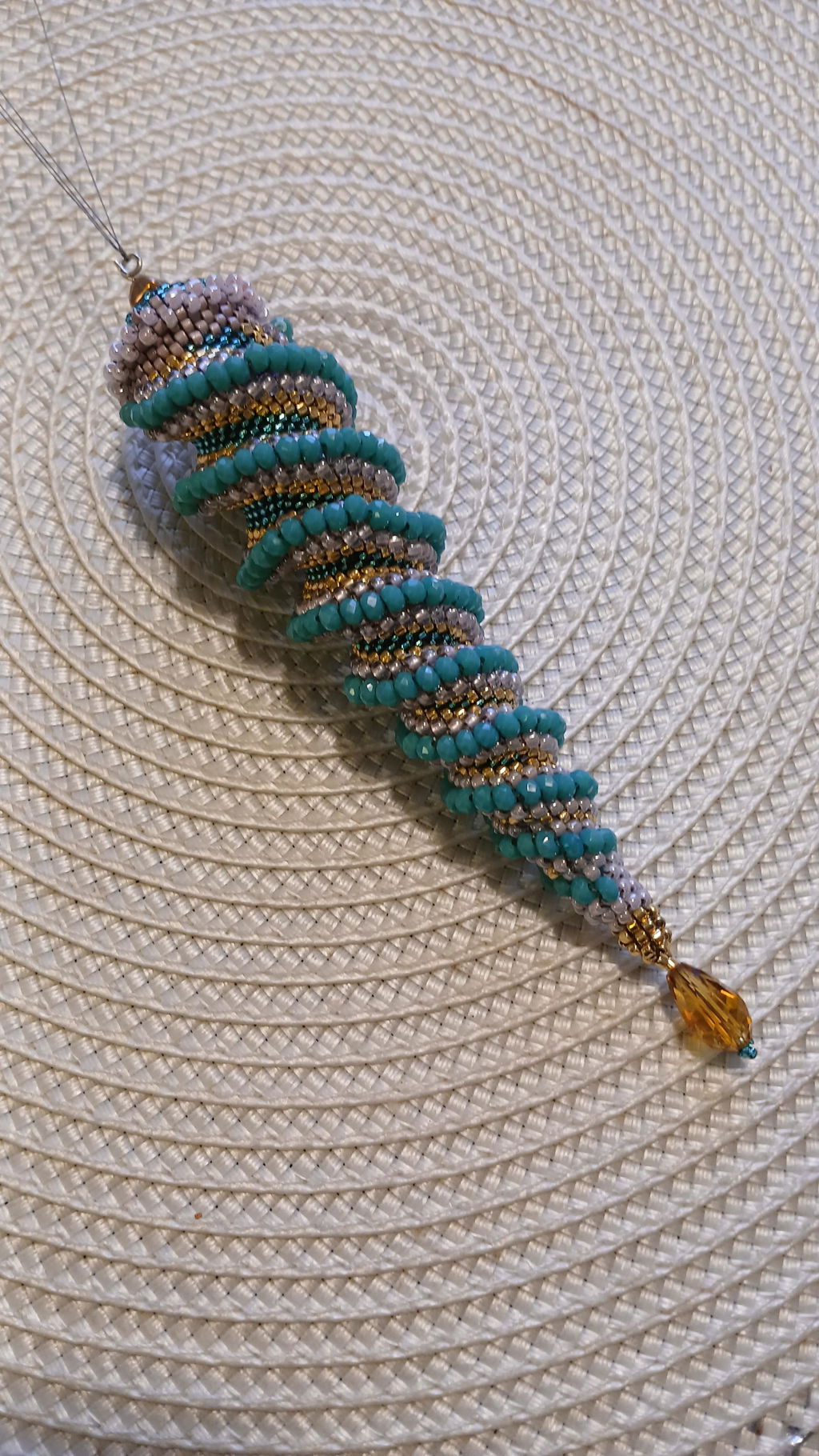
- Seed Beads: These small, colorful beads are perfect for intricate designs and can add life to almost any style.
Sustainability and Environmental Impact
An important aspect of material selection is sustainability and environmental impact. Many jewelry makers strive to use materials that are both environmentally friendly and ethical. Here are some things to consider:
Recycled Materials
Using recycled metals or materials is an excellent way to reduce environmental impact. This also applies to seed beads, which can often contain recycled plastic materials or glass. By choosing recycled materials, you make an effort to protect our resources.
Natural vs. Synthetic Materials
Natural materials, such as gemstones and organic substances, tend to be more environmentally friendly, but they can also pose challenges regarding mining and collection. Synthetic alternatives often provide similar appearance and feel but have increased interest because they generally have a lower environmental impact.
Design and Aesthetics
Another important factor to consider is how the materials will affect the final appearance of the jewelry. Different materials invite different styles and feelings. Seed beads offer a multitude of colors and textures, allowing the jewelry designer to experiment and be creative.
Coloring and Patterns
For those working with seed beads, coloring is crucial. By combining different shades and sizes of seed beads, you can create fantastic patterns and designs. Consider how the colors harmonize with each other and what impression they convey. Complex patterns can draw the eye and create a striking effect.
Texture and Feel
Texture is another aspect that must be considered in the design process. Different materials have different feelings - from the soft touch of silver to the rough structure of wood. Seed beads can give a soft and flexible feel to jewelry, making them ideal for bracelets and necklaces.
Practical Considerations
When choosing materials for your jewelry, it is also important to consider practical aspects. These include everything from how easy the material is to work with to how much it costs. Here are some factors to keep in mind:
Workability
Some materials are easier to work with than others. For example, seed beads are relatively easy to handle and can be sewn or strung with various techniques. If you are a beginner, it might be a good idea to start with materials that are not too complicated to work with.
Cost
The cost of materials can vary greatly. Precious metals and gemstones can be expensive, while base metals and seed beads are often more affordable. Plan your budget carefully and choose materials that fit your finances without compromising quality.
Choosing the Right Material for Your Project
Before starting your jewelry project, it is important to carefully consider which material is best suited for your design ideas. Ask yourself a few questions:
- What type of jewelry do I want to create? (earrings, bracelets, necklaces)
- What is the purpose of the jewelry? (gift, personal use, sale)
- What style do I want the jewelry to have? (elegant, bohemian, modern)
- What is my budget for material costs?
By thinking through these questions, you can better determine which materials will give your jewelry the look and function you desire.
An Equipped Jewelry Workshop
To successfully work with various materials, including seed beads, it is important to have the right tools and equipment in your jewelry workshop. Here are some basic tools and accessories that can be very helpful:
- Thread and Cord: Having a good selection of thread, cord, or elastic materials is important for creating durable jewelry.
- Bead Boards: If you are working with seed beads, bead boards can be helpful for organizing and planning your patterns.
- Jewelry Assembly Tools: Pliers, scissors, and glue are essential for assembling jewelry efficiently.
- Storage Solutions: Keep your materials organized with boxes and compartments to easily find them when you need them.
Inspired by Nature
No two designs are exactly alike, and inspiration can come from many different places. Many jewelry makers find inspiration in nature. From the colors of a sunset to the textures of mountains or the sea, nature can be a fantastic source of ideas.
Combining Materials
Mixing different materials can create fantastic effects. Consider combining seed beads with precious metals or organic materials to create unique contrasts in your jewelry. By experimenting with different combinations, you can find the perfect balance between style and function.
A Continuous Learning Process
Working with jewelry, especially with many different materials, is a process of continuous learning and experimentation. Whether you are a beginner or an experienced craftsman, there are always new techniques to try and new trends to explore. Participate in courses, read books, and follow jewelry designers on social media to stay updated with the latest news and insights in the profession.
By choosing the right materials and using them creatively, you can create jewelry that is not only beautiful but also has a deeper meaning. Be inspired by the world around you and remember that every piece of jewelry you create is a reflection of your unique style and taste. Let your jewelry tell a story, and don't forget to enjoy the process!
Visit the Shopify or Wix store of a fellow user by following this link to their store. Please note that this is a promotional link, and we are not responsible for the content of the linked store.