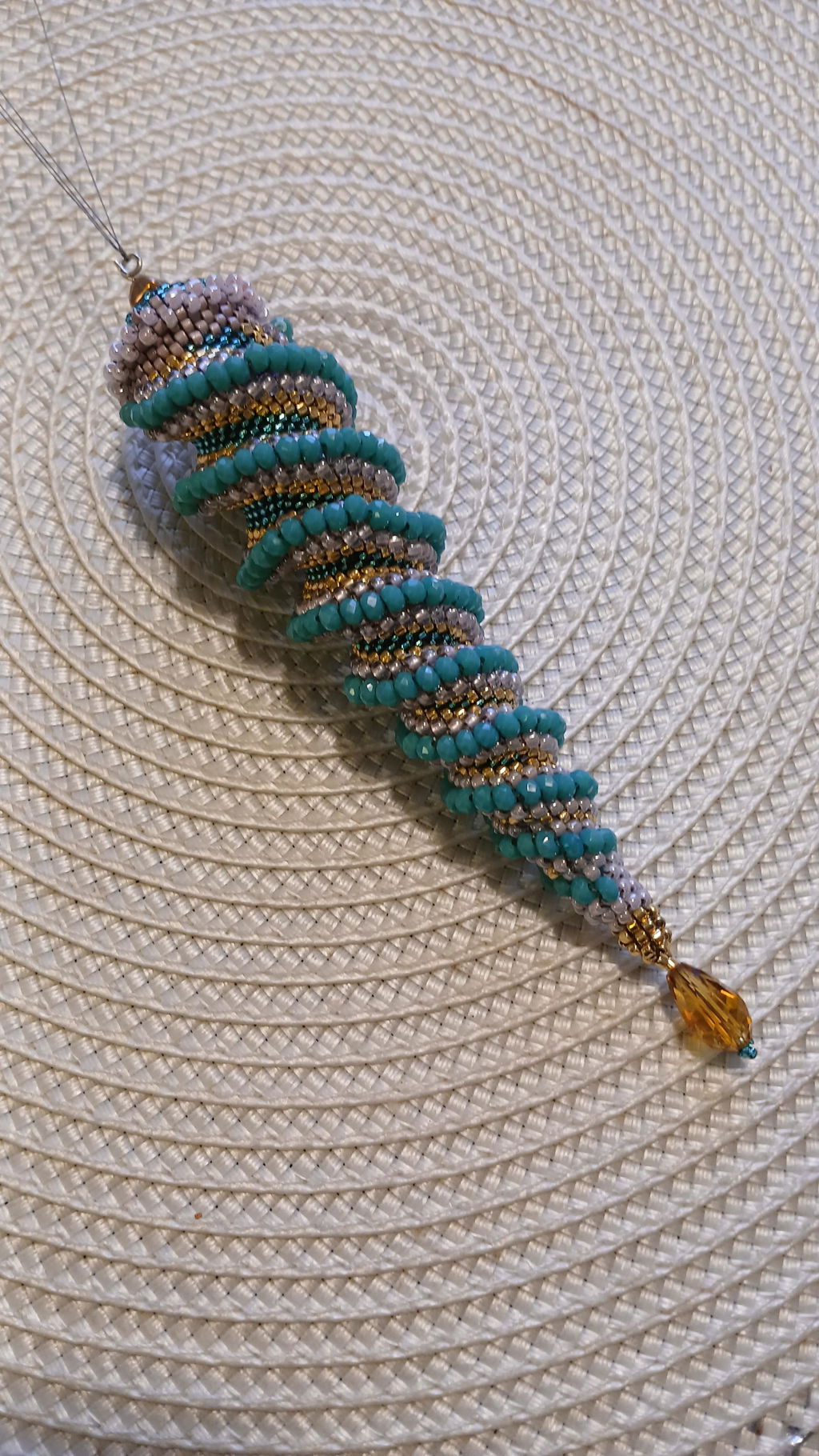
Handmade jewelry is not just a fashion accessory; it is an expression of artistic vision and technical skill. In this article, we will explore the various aspects of art and technique involved in jewelry making. From sources of inspiration to material selection and the technical processes that create unique pieces, each step is a vital part of the artwork's final result.
Sources of Inspiration for Jewelry Making
Artists and craftspeople draw inspiration from various sources when it comes to jewelry making. The beauty of nature, cultural heritage, and personal experiences can all influence jewelry design. Whether it's about recreating shapes and colors from nature or exploring abstract concepts, the sources of inspiration are endless.
Natural Elements in Jewelry Design
One of the most popular sources of inspiration for handmade jewelry is nature. Many jewelers use natural materials such as stones, wood, and metal to create pieces that reflect the organic forms and colors of our surroundings. For example:
- Gemstones: Each stone has its unique color and texture that can enhance a jewelry's design.
- Wood: The use of wood can give a warm and earthy feel to the jewelry.
- Metals: Combinations of different metals can create contrasts that are both visually appealing and durable.
Material Selection in Jewelry Making
Material choice is a crucial factor in jewelry making. The quality and properties of the materials used affect both the appearance and durability of the jewelry. Let's take a look at some of the most common materials used:
Metals in Jewelry
Metals are perhaps the most traditional component in jewelry making. The most common metals include:
- Gold: Known for its beauty and longevity, gold is often the first choice for exclusive jewelry.
- Silver: Silver is both affordable and popular, making it an excellent choice for handmade jewelry.
- Copper: Copper is often used in more casual designs and can give a rustic feel.
Stones and Crystals
Whether genuine or synthetic, stones and crystals add a stunning dimension to jewelry making. They can be used to convey emotions, such as passion, calm, or strength, depending on their color and meaning. Some jewelers also use crushed stones as part of the jewelry's design.
Techniques in Jewelry Making
The role of technique in jewelry making cannot be underestimated. From traditional methods to modern technologies, there are many ways to create stunning jewelry. Some of the most well-known techniques include:
Traditional Craft Techniques
Traditional techniques in jewelry making have existed for centuries. These processes require skill and patience:
- Soldering: A technique used to join pieces of metal.
- Filing: Used to smooth edges and give a fine finish.
- Gemstone Setting: A meticulously executed process to secure stones in the design.
Modern Jewelry Techniques
With advancements in technology, jewelry making has also evolved. Newer techniques include:
- 3D Printing: An innovative method that allows for the creation of jewelry with complex patterns that would be difficult to achieve by hand.
- Laser Engraving: The use of lasers to create detailed inscriptions and patterns on jewelry.
Combining Art and Technique
The true magic of jewelry making lies in the combination of art and technique. A skilled craftsperson must not only have an eye for aesthetics but also an understanding of the technical aspects of manufacturing. It's about finding the balance between creativity and precision.
The Creation Process Behind Handmade Jewelry
The creative and technical processes in jewelry making can be summarized in several steps:
- Idea and Sketch: The process begins with an idea, which often results in sketches and mock-ups.
- Material Selection: The craftsperson chooses the materials that best suit their design.
- Manufacturing: The jewelry is created through a combination of craft techniques and perhaps modern tools.
- Polishing and Finishing: The final step is to polish and finish the jewelry to ensure its beauty and durability.
Appreciating Handmade Jewelry
The value of handmade jewelry extends beyond the material. Each piece is a unique representation of an artist's vision and technical ability. When you wear or give handmade jewelry, you carry a story – a history that is as much a part of the jewelry's creation as the design itself.
Sustainability and Ethics in Jewelry Making
As more people become interested in handmade jewelry, there is a growing awareness of sustainability and ethics. Consumers are looking for jewelers who use ethical materials and processes. Jewelry making can include:
- Recycled Materials: Many jewelers choose to use recycled gold and silver.
- Local Materials: Sourcing materials locally can reduce the environmental impact of transportation.
The Future of Jewelry Making
Jewelry making is an industry in constant change. With new technology and societal shifts, design and manufacturing methods will also evolve. We can expect to see more focus on sustainability and more innovative techniques like 3D printing and digital design.
Innovative Trends in Jewelry Making
Some interesting trends to keep an eye on include:
- Customized Jewelry: Customers are increasingly seeking unique and personally designed jewelry.
- Wearable Technology: Integrating technology into jewelry can lead to new functional designs, such as smartwatches or health monitors.
Unleash Your Creativity
So, whether you are an artist, a craftsperson, or just an enthusiast, there is always a place for you in the world of jewelry making. Whether you create to sell or to give as a gift, jewelry is more than just an accessory – it's a chance to express your personality and creativity.
Let your passion for art and technique shine through your handmade jewelry and inspire others to appreciate the unique beauty of every handcrafted piece. Go out and create something amazing!