Overview
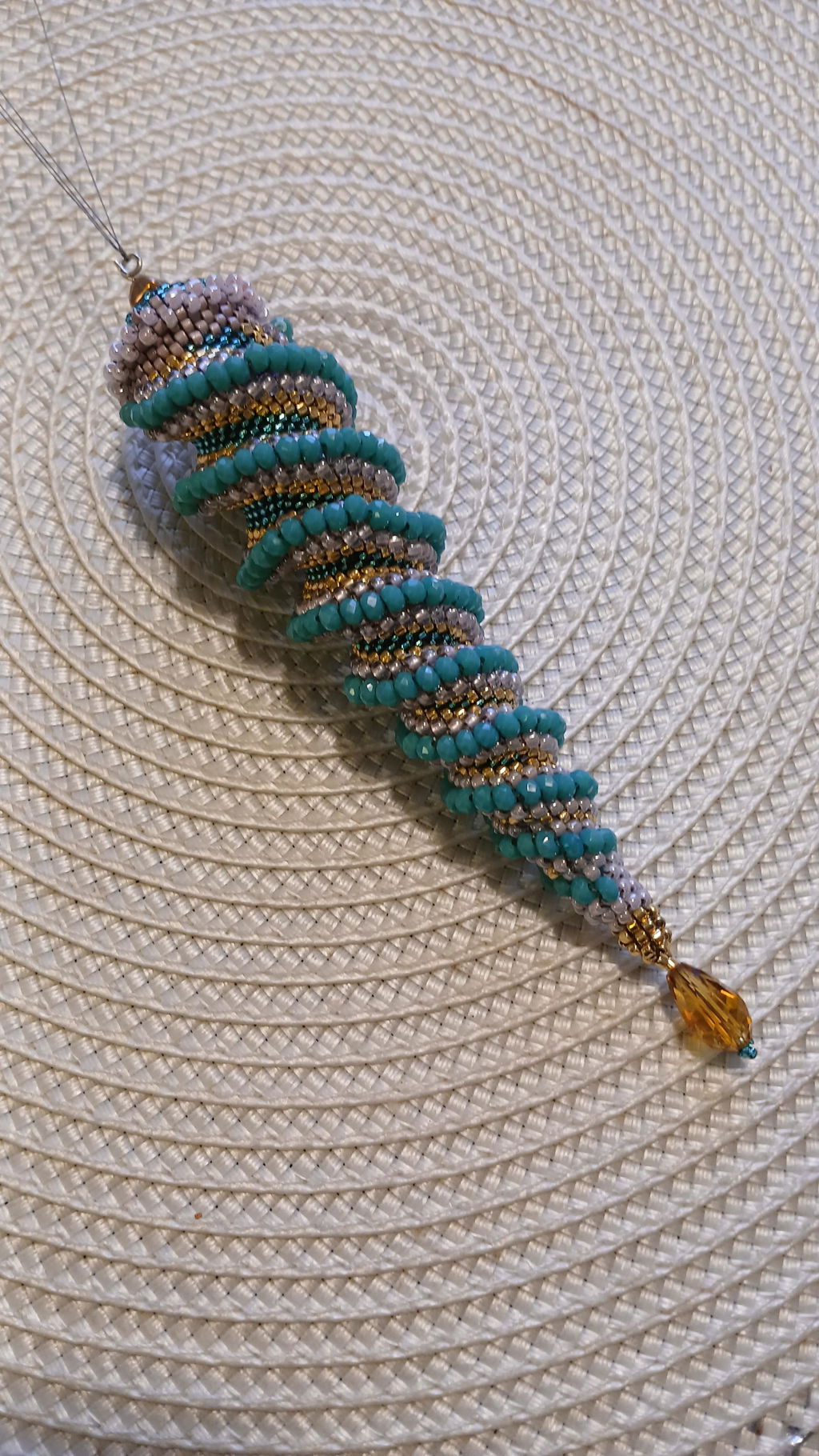
Combining textures in jewelry can transform your design. By mixing different surfaces, such as smooth and rough, you create unique and captivating jewelry. Pearls are fantastic for adding texture and luster. Contrast and harmony are essential for achieving a well-thought-out design. Let your personal style shine through and be inspired by nature to create unique pieces.
Frequently Asked Questions
1. What is texture in jewelry?
2. How can pearls contribute to texture in jewelry?
3. What types of textures are there to consider when creating jewelry?
4. How can I create contrast with textures in jewelry?
5. What are some practical tips for combining textures in my jewelry?
Combining textures in jewelry is an art form that can elevate your collection to new heights. By bringing together different materials and surfaces, you can create unique and captivating jewelry that truly stands out. In this article, we will delve into the world of textural beauty and how pearls can play a central role in your creations.
What is texture in jewelry?
Texture refers to how the surface of a piece of jewelry feels and looks. It can be smooth, structured, matte, or glossy, and it influences how a design is perceived. By blending different textures, you can create depth and interest, making your jewelry feel more alive.
Different types of textures to consider
When creating jewelry, there are several types of textures to consider:
- Smooth surfaces: These surfaces reflect light uniformly, giving an elegant and timeless appearance.
- Rough surfaces: Rough textures create a more organic feel and can add a sense of depth to a piece of jewelry.
- Engraved or patterned surfaces: By engraving patterns, you can add details that make the jewelry truly stand out.
- Natural textures: These come from using natural materials like wood or stones, and give an earthy feel.
Understanding these different types of textures is crucial for combining them harmoniously in your jewelry.
How pearls can contribute to texture in jewelry
Pearls are a fantastic component to use in your jewelry. They have a unique texture and luster that can elevate the entire design. Whether you use freshwater pearls or sea pearls, they are always a stylish addition.
Pearls and their different surfaces
Pearls come in different types and finishes that can be adapted for various textures:
- Smooth pearls: These are the classic pearls that give a sophisticated feel to jewelry.
- Rough pearls: These can give a more organic and personal impression, perfect for bohemian styles.
- Patterned pearls: Pearls with patterns offer another dimension and can create an exciting contrast against other materials.
By blending these different types of pearls with other materials, you can create a fantastic texture palette for your jewelry.
Creating contrast with textures
One of the most effective techniques to use when working with textures is to create contrast. By combining smooth surfaces with rough surfaces, you can draw attention to specific parts of your jewelry.
Examples of contrasting textures
Here are some ideas for how you can create contrast in your jewelry:
- A smooth gold ring with an internal rough silver surface can create a fascinating contrast.
- Pairing an engraved locket with smooth pearls can give a sense of elegance and richness of detail.
- By using a mix of natural wood components and glossy pearls, you can create a perfect balance between naturalness and glamour.
Exploring textures: Creating harmony
Combining textures is not just about contrasts; it's also about harmony. A well-balanced mix of textures makes the entire piece of jewelry feel well-thought-out and complete. Here are some tips for achieving harmony in your design:
Harmony through color and form
Colors and shapes play a large role in how textures are perceived. Here are some insights:
- Choose a color palette that ties the different textures together. This helps create a unified feel.
- Vary the shapes of the different textures. A combination of geometric and organic forms can bring life to your design.
- Ensure that each texture has its own place, so no part of the jewelry competes for attention.
Make texture a personal style
Creating unique jewelry is about reflecting your own style and personality. Textures are a powerful tool to express this. If you love the raw and natural, take advantage of rough surfaces and organic forms. If you prefer sophistication, opt for smooth, elegant surfaces with luminous pearls.
Inspiration from nature
Nature is full of textures that can inspire your jewelry design. Think about how the bark of trees, the surfaces of the sea, or even the peas on a pea plant can give you new ideas on how to combine textures in your creations.
By observing and integrating these natural elements, you can create jewelry that truly feels unique and personal.
Practical tips for combining textures
Implementing different textures in your jewelry can sometimes feel overwhelming. Here are some practical tips to help you along the way:
- Practice blending three different textures in one piece of jewelry first – it helps keep it simple and professional.
- Test different arrangements of textures to find what works best for you. Take photos to document your progress!
- Don't be afraid to experiment! Sometimes the most unexpected combinations can lead to amazing results.
By using these tips, you can let your creativity flow and create jewelry that is truly a representation of your style.
The final word: The power of texture
Combining textures in jewelry is an art form that can give life and personality to every creation. Pearls, with their unique luster and feel, offer a fantastic opportunity to explore this topic further. Let your creativity take over and create jewelry that is not only beautiful but also carries a deeper story. Remember that there are never any limits to what you can create, only limits that you set for yourself. Let the inspiration flow!