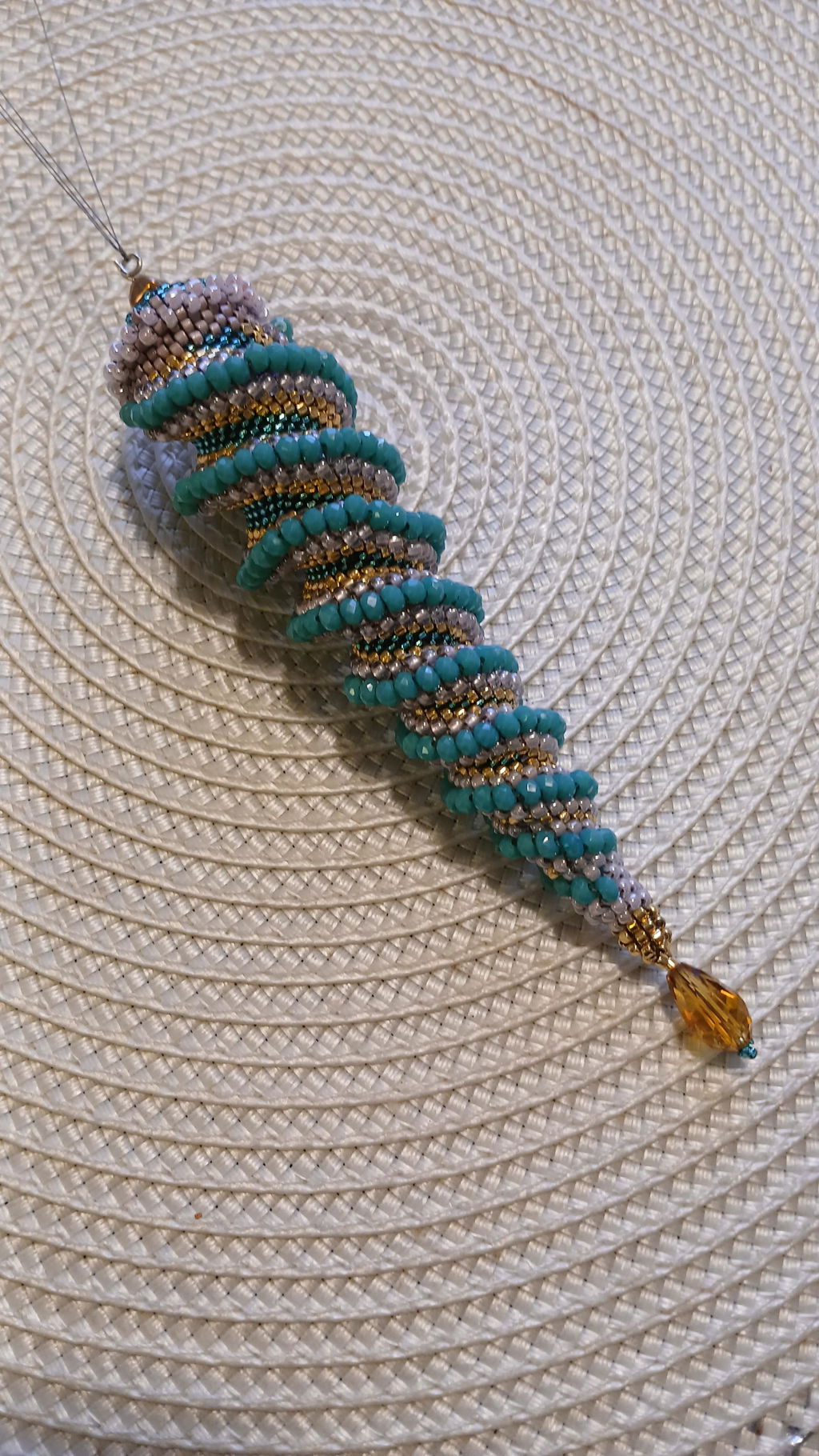
Overview
Creating unique jewelry with beads is an art form that combines technique and creativity. By mixing different beads, you can create personalized and unique designs. Explore the benefits of combining beads, learn about different bead types, and get tips on how to effectively combine them to create fantastic jewelry. Let your creativity flow and experiment with colors, shapes, and techniques to make each piece of jewelry unique.
Table of Contents
Key Takeaways
- Creative Freedom: Combine different beads to experiment with colors, textures, and shapes.
- Uniqueness: Each bead combination gives a personal touch and new design possibilities.
- Different Bead Types: Get to know freshwater pearls, glass beads, ceramic beads, acrylic beads, and semi-precious stones.
- Color Palette: Choose a color palette to guide the design's feel and style.
- Mix Shapes and Sizes: Use different shapes and sizes to create dynamism in your jewelry.
- Use Texture: Combine glossy and matte beads to create depth and visual interest.
- Experiment with Techniques: Try knotting, braiding, or crocheting to give your jewelry an extra dimension.
Pros and Cons
| Pros | Cons |
|---|---|
| Creative freedom to experiment with colors and shapes. | Can be time-consuming to find the right combinations. |
| Each piece of jewelry becomes unique and personal. | Requires knowledge of different bead types for best results. |
| Enriching learning by understanding material interaction. | Costs for different types of beads can add up quickly. |
| Opportunity to express personal style and creativity. | Can be challenging to get the technique right at first. |
Who it's for (and who it's not for)
Who it's for
- Creative souls: If you love to express yourself through art and design, you will enjoy creating unique jewelry.
- Craft enthusiasts: For those who like to work with their hands and create something of their own, this is a perfect activity.
- People looking for unique gifts: Creating personalized jewelry can be a wonderful and meaningful gift for loved ones.
- Curious about jewelry making: If you want to learn more about different bead types and techniques, this is an excellent starting point.
Who it's not for
- Those who don't like crafts: If you prefer to buy ready-made jewelry rather than create it yourself, this might be less interesting for you.
- Those without patience: Jewelry making requires time and dedication; if you're in a hurry or don't like working slowly, this might be frustrating.
- People with limited creativity: If you feel you struggle to think outside the box or have little interest in design, it can be challenging.
- Those seeking perfection: Jewelry making is about experimenting; if you have a strong aversion to mistakes, this might be a difficult process for you.
Frequently Asked Questions
1. What are the benefits of combining beads in jewelry making?
2. What types of beads are available to use?
3. How do I choose a color palette for my jewelry?
4. What are some tips for effectively combining beads?
5. How can I improve my creativity in jewelry making?
Creating unique jewelry is an art form that requires not only technique but also creativity and a sense of design. By combining different beads, you can create stunning patterns that truly stand out. In this article, we will explore and discuss many exciting ideas on how you can use beads in your jewelry making to create unique and personal designs.
The Benefits of Combining Beads
Using different beads in your jewelry has several advantages.
- Creative Freedom: By combining different types of beads, you can experiment with colors, textures, and shapes.
- Uniqueness: Each combination of beads gives a unique feel, making your jewelry personal, and there's always something new to discover.
- Enriching Learning: Understanding how different beads interact with each other can give you deeper insights for future projects.
Different Types of Beads
Before you start combining beads, it's important to know the different types available on the market. Below is a table summarizing some popular bead types and their characteristics:
| Bead Type | Material | Feel/Appearance |
|---|---|---|
| Freshwater pearls | Natural pearl | Soft, rounded, and uneven surfaces |
| Glass beads | Glass | Shiny and come in endless colors |
| Ceramic beads | Ceramic | Rustic feel, often handmade with unique patterns |
| Finished acrylic beads | Plastic | Light and durable, good for playful jewelry |
| Semi-precious stones | Natural stone | Elegant and timeless, each bead is unique |
How to Combine Beads Effectively
1. Choose a Color Palette
One of the most important parts of jewelry making is color. By choosing a color palette, you can easily control the design's feel and style. Try to work with complementary colors or different shades of the same color to create harmony.
2. Mix Shapes and Sizes
Combining beads in different shapes (such as round, square, or oval beads) and sizes is another fantastic method to create interesting dynamics in your jewelry. A large bead can be highlighted by smaller beads around it, creating a clear focal point.
3. Use Texture
Texture is another important element. By mixing glossy cut beads with matte, uneven beads, you can create depth and interesting visual effects.
4. Try Different Stitches and Techniques
In jewelry making, there are various techniques that can affect how the beads look in the finished work. Consider techniques such as knotting, braiding, or crocheting to give your jewelry an extra dimension. See how the beads enhance each other through different arrangements.
Inspiring Examples of Bead Combinations
To help you get started, these examples of bead combinations can inspire you:
- White freshwater pearl with metallic glass beads and silver-colored separator.
- Colorful ceramic beads with brown acrylic beads for a bohemian feel.
- Semi-precious stones in combination with sparkling glass beads for elegant jewelry.
- Black glass beads with silver and gold-colored beads for a modern style.
Creative Process and Tips
Creativity is a spiral of inspiration. Here are some practical tips to improve your jewelry making while combining beads:
- Jot down your ideas: Keep a sketchbook where you can document pattern ideas and color combinations.
- Visit stores: By physically seeing and feeling beads, you can find unexpected combinations.
- Experiment: Make test pieces to see how different beads work together before finalizing your design.
Summary of Jewelry Making with Beads
Combining different beads to create unique patterns in jewelry making is not only a fun and creative activity, but it also offers the opportunity to express your personal style. By understanding different bead types, color combinations, and techniques, you can design fantastic pieces that truly impress. Remember to let your creativity flow and experiment with different combinations, so that each piece of jewelry becomes unique and invaluable.
We hope you've been inspired to dive into the world of beads and jewelry making. Let your creations shine and feel free to share them with others!
Glossary
| Term | Meaning |
|---|---|
| Beads | Small, usually rounded objects used in jewelry making. |
| Freshwater Pearls | Natural pearls with soft, uneven surfaces. |
| Glass Beads | Beads made of glass, often shiny and colorful. |
| Ceramic Beads | Handmade beads with a rustic feel and unique patterns. |
| Acrylic Beads | Plastic beads that are lightweight and durable. |
| Semi-precious stones | Natural stones that are elegant and timeless. |
| Color Palette | Choice of colors that dictates the design's feel. |
| Texture | The feel of the surface that affects the visual impression. |
| Knotting | A technique for attaching beads in jewelry. |
| Bohemian feel | A style that is relaxed and colorful. |
Linked product

Bead Mat - Sticky Bead Mat with grooves for bracelets and necklaces 1 piece
The Bead Mat - Sticky Bead Mat with grooves for bracelets and necklaces 1 piece is a practical tool for jewelry making that helps organize beads and jewelry components during the creative process. With its double-sided function and clear measurement markings, it facilitates both the planning and execution of jewelry, making it suitable for both beginners and experienced crafters. The mat is easy to clean and retains its functionality over time, making it a valuable addition to your jewelry tool assortment.
View product