Frequently Asked Questions
1. What is the article about?
2. What colors and materials should I consider when creating jewelry?
3. What is layering in jewelry design?
4. How can I give my jewelry a personal touch?
5. What colors and materials are good for different occasions?
Jewelry is more than just accessories; they are expressions of our personality and style. Combining colors and materials in jewelry can create stunning results. By understanding color theory and the properties of materials, you can create unique jewelry that truly stands out. In this article, we will explore how you can mix and match jewelry components to create beautiful and eye-catching designs.
Color Theory: The Basics of Combining Colors
When working with jewelry components, it is important to understand color theory. Colors can affect how we perceive a piece of jewelry and the feeling it conveys. Here are some basic concepts to consider:
Primary, Secondary, and Tertiary Colors
Primary colors (red, blue, and yellow) can be mixed to create secondary colors (green, orange, and purple). Tertiary colors are the result of mixing primary and secondary colors. By knowing these colors, you can more easily combine your jewelry components into a harmonious whole.
Complementary Colors
Complementary colors are opposite each other on the color wheel, such as red and green. Using these colors together in your jewelry can create a strong contrast and make them stand out. Remember that balance is key; too much contrast can be overwhelming.
Material Choices: Different Types of Jewelry Components
Combining materials is just as important as combining colors. Each material lends its own unique characteristics to jewelry. Here are some common jewelry components and their properties:
Metals
Gold, silver, and copper are common metals in jewelry. Each metal offers a different feel and appearance. Gold gives a warm and luxurious feel, while silver provides a modern and sleek look. Consider that mixing metals can add an interesting detail to your design.
Gemstones and Semi-precious Stones
Gemstones like diamonds and rubies possess a timeless elegance, while semi-precious stones such as amethyst and turquoise can add color and uniqueness. When combining jewelry components with different stones, consider how their colors and textures interact with each other.
Wood and Leather
Wood and leather are fantastic choices for creating a more bohemian look. These materials provide a natural feel and can be combined with metal and gemstones to create interesting contrasts. Consider using different textures to create depth and interest.
Creative Ways to Combine Jewelry Components
Now that you have an understanding of colors and materials, it's time to start experimenting. Here are some creative ways to combine jewelry components:
Mix and Match
One of the easiest ways to create unique jewelry is to mix and match different jewelry components. Try combining a metal chain with wooden beads or mixing different types of pendants. Don't forget to test different lengths and styles to see what works best together.
Layering
Layering is a trend that has become increasingly popular. By wearing multiple necklaces, bracelets, or rings, you can create an interesting and dynamic look. Remember to keep colors and materials in harmony so as not to overwhelm your outfit.
Color Schemes
Choosing a theme or color scheme can help guide your design decisions. You can choose a base color and then use different shades and complementarily colored jewelry components to create a coordinated look. A monochromatic style can also be very appealing.
Inspiring Examples of Jewelry Design
To get your creativity flowing, here are some inspiring examples of how to combine colors and materials:
Bohemian Style
Bohemian jewelry is characterized by a mix of natural materials and colorful jewelry components. Consider using leather, wood, and semi-precious stones in various shapes and sizes. A beautiful leather bracelet can be complemented with a string of colorful wooden beads.
Minimalist Design
Minimalism is about keeping it simple. You can combine one or two metals in different shades to create an elegant look. Stick to one color palette to create a clean and modern feel. A silver ring with a small gemstone can be enough to make a statement.
Art Deco-Inspired
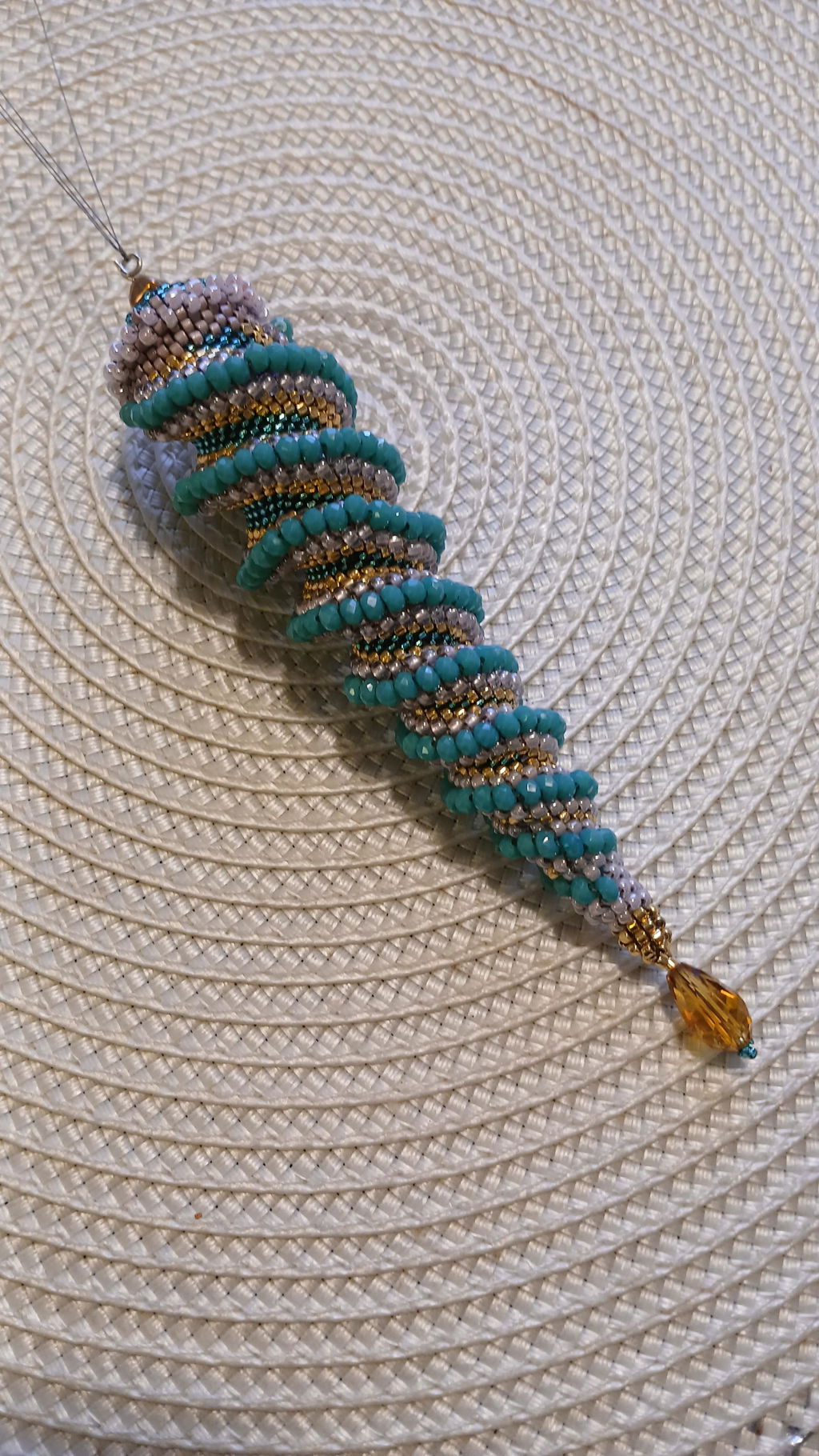
The Art Deco style is known for its geometric shapes and rich colors. Consider using intricate patterns and mixing metal with bold colors to capture the elegant feel of this era. Combining deep green and gold can create a dramatically beautiful effect.
Things to Consider When Combining Jewelry Components
When combining jewelry components, there are a few things to consider to ensure your jewelry is successful:
- Balance: Ensure the jewelry's design is balanced. If you have large components on one side, compensate with smaller ones on the other side.
- Proportions: Consider the proportions between jewelry components. Large, heavy components require a different design than smaller, lighter ones.
- Personality: Let your personality shine through in your combinations. If you love color, don't hesitate to experiment with strong contrasts.
Colors and Materials for Every Occasion
Different colors and materials suit different occasions. Here are some tips for choosing the right combination:
Everyday
For everyday jewelry, you can choose natural materials like wood and leather. Keep the colors in a soft palette to create a calm and relaxed feel.
Special Events
When dressing for a special event, you can choose more elegant jewelry with gold or silver and bold colors. Use sparkling stones to truly catch attention.
Workplace
In the workplace, it is often best to keep jewelry subtle. Choose sleek and minimalist jewelry components in neutral colors. A simple ring or a pair of small earrings can make a big difference.
A Personal Touch to Your Jewelry
Adding a personal touch makes your jewelry more unique. Consider including jewelry components that represent important memories or significant moments in your life. It could be a keychain that reminds you of a trip or a pendant with initials.
By combining colors and materials correctly, you can create personal and beautiful jewelry that truly reflects your style. The main thing is to have fun and be creative. Your unique expression will always shine through, and that's what makes your jewelry special.
Create Your Jewelry Collection
Whether you are a beginner or an experienced jewelry designer, it is important to experiment and create a collection of your favorite colors and materials. Build a set of jewelry components that allows you to express yourself in different ways. Over time, you will learn which combinations work best for you and your style.
So, now it's time to dream, create, and explore the endless possibilities that jewelry components offer. Your adventure in jewelry making has just begun, and we can't wait to see what you will achieve!