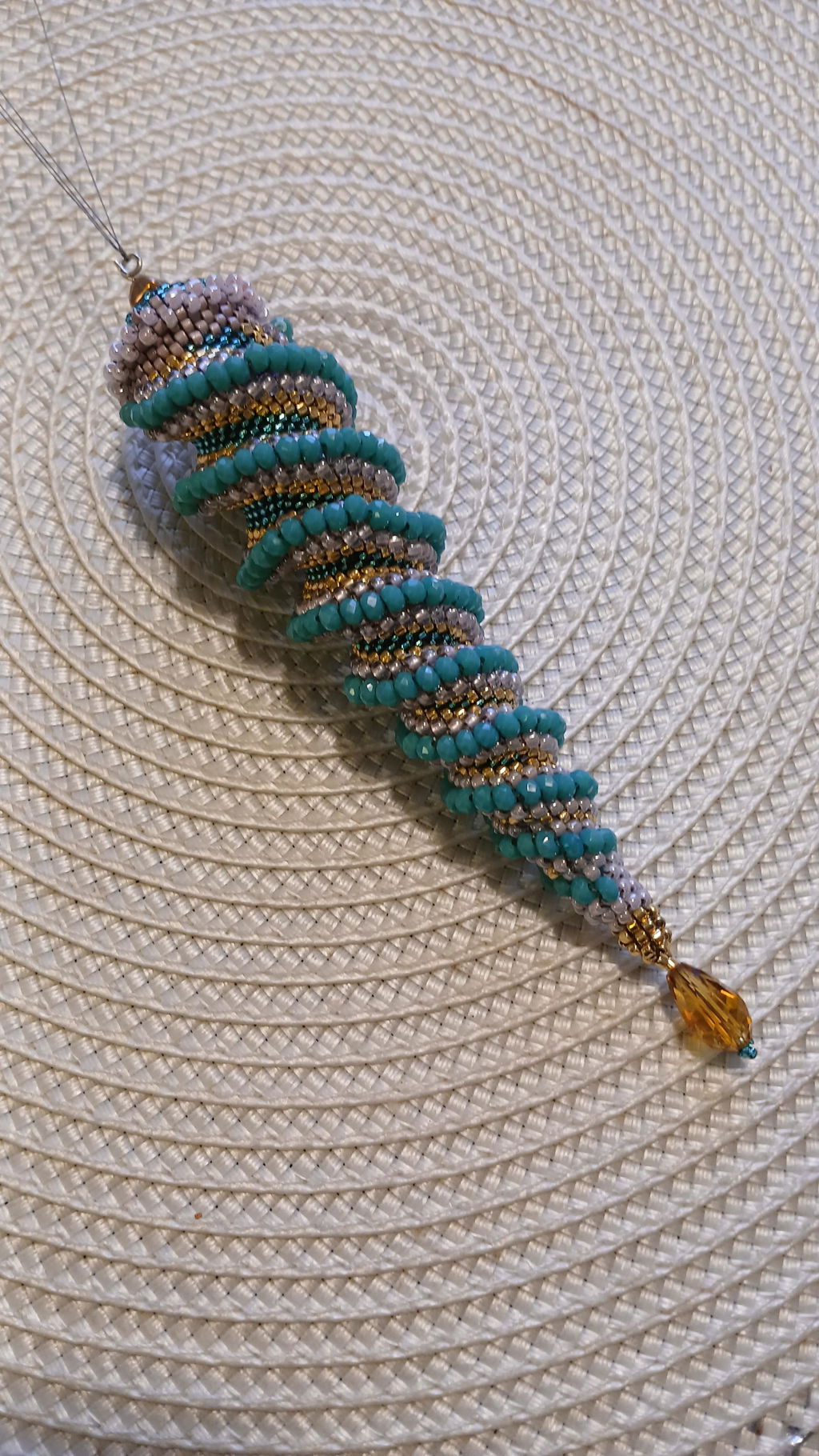
Overview
Handmade jewelry is unique and crafted with care, giving it a special charm. This article explores the creative process, key materials, and benefits of handmade jewelry, such as its quality, individuality, and durability. By supporting local artisans, you help preserve the craft. Choose handmade jewelry for a personal and meaningful experience.
Table of Contents
Key Takeaways
- Handmade jewelry is unique and carries a personal story that distinguishes it from mass-produced alternatives.
- Quality is often higher in handmade jewelry, thanks to careful monitoring of the manufacturing process.
- Material selection is crucial, with a focus on sustainable and ethical options such as precious metals and cabochon stones.
- Creative freedom allows customers to customize jewelry with components and accessories for a personal touch.
- Social media helps artisans reach new customers and build a loyal customer base by showcasing their creations.
- Supporting local artists by purchasing handmade jewelry helps preserve the craft.
- The future of handmade jewelry looks promising with increased demand for unique and well-crafted products.
Pros and Cons
| Pros | Cons |
|---|---|
| Uniqueness: Each piece of jewelry is unique and has its own story. | Cost: Handmade jewelry can be more expensive than mass-produced alternatives. |
| High quality: Often a higher quality standard through careful monitoring of the manufacturing process. | Time-consuming: The manufacturing process can take longer than for mass-produced jewelry. |
| Support local artists: By purchasing, you contribute to local artisans and the preservation of craftsmanship. | Limited availability: The selection can be more limited compared to large chains. |
| Personal connection: The jewelry can feel more special and valuable. | Variation in quality: Quality can vary depending on the artisan. |
Who It's For (and Who It's Not For)
Who should choose handmade jewelry?
- Those who value uniqueness: If you want a piece of jewelry that is completely unique and carries its own story, handmade jewelry is the right choice.
- Quality-conscious customers: For those who prioritize high quality and meticulous craftsmanship, handmade jewelry offers a superior standard.
- Supporting local artists: If you want to contribute to local artisans and their work, handmade jewelry is an excellent choice.
- Personal connection: For those seeking a sense that the jewelry is special and valuable, handmade options are preferable.
Who should not choose handmade jewelry?
- Customers seeking mass-produced alternatives: If you prefer jewelry that is readily available and often cheaper, mass-produced jewelry may be more suitable for you.
- Those on a strict budget: Handmade jewelry can be more expensive than mass-produced, so if you have a limited budget, you might want to consider other options.
- People who prefer standardized styles: If you prefer jewelry that follows trends and standardized forms, handmade jewelry might feel too unique or different.
Frequently Asked Questions
1. What is handmade jewelry?
2. What are the key steps in creating handmade jewelry?
3. What materials are most commonly used in handmade jewelry?
4. Why is handmade jewelry a popular choice?
5. How can one combine jewelry components to create unique jewelry?
Handmade jewelry has a special charm that few can resist. Each piece is unique and created with great care and passion. In this article, we delve into the craftsmanship behind these fantastic pieces of jewelry and explore the important components such as jewelry components with cabochons and jewelry accessories. Let's take a closer look at the creative process, the materials, and why handmade jewelry is such a popular choice.
The Creative Process
The creation of handmade jewelry is an art form that requires both creativity and technical skill. Here is an overview of the steps often included in the process:
- Inspiration: The first step is to find inspiration. The jewelry designer may get ideas from nature, culture, or personal experiences.
- Sketching: Sketching ideas helps the designer visualize their vision and plan what materials and techniques to use.
- Material selection: The choice of materials is crucial. This can include precious metals, stones, and, as we mentioned earlier, jewelry components with cabochons. Cabochon stones are popular due to their smooth, rounded shape and are often used as a focal point in jewelry.
- Manufacturing: This step involves everything from cutting, shaping, and assembling the pieces. Each step requires a certain technique and skill.
- Finishing and quality control: Once the piece of jewelry is finished, it must be thoroughly inspected to ensure it is of high quality and that no details have been overlooked.
Materials That Make a Difference
Material selection is central to the creation of handmade jewelry. Here are some of the most common materials used:
| Material | Advantages | Usage |
|---|---|---|
| Precious metal | Durable and timeless | Rings, necklaces, bracelets |
| Jewelry components with cabochons | Unique shapes and styles | Ornaments in jewelry, earrings |
| Synthetic stones | Cost-effective and versatile | Necklaces, rings, earrings |
| Textiles | Flexible and easy to use | Combinations with metal and stones |
By using the right materials, the jewelry designer can create unique and memorable pieces that appeal to customers. It is also important to choose sustainable and ethical materials whenever possible, which is always appreciated by customers.
Creative Freedom and Individuality
Customers who purchase handmade jewelry often value individuality. When a piece of jewelry is made by hand, it is not just an object, but a story full of emotions and thoughts. Each piece of jewelry has its own personality, which sets it apart from mass-produced alternatives. By including jewelry accessories, one can further customize jewelry and give it a personal touch, allowing the designer and customer to collaborate to achieve a dream result.
Why Choose Handmade Jewelry?
There are many reasons why handmade jewelry has become so popular, and here are some of the most compelling:
- Uniqueness: Each piece of jewelry is unique and carries its own story.
- Good quality: Handmade jewelry often has a higher quality standard, as each step in the manufacturing process is carefully monitored.
- Ethical development: Many artisans strive to use ethical and sustainable methods.
- Support local artists: By purchasing handmade jewelry, you support local artisans and their work.
- Personal connection: Handmade jewelry can give a sense of being more special and valuable, as it is often created with care.
Combining Jewelry Components
Jewelry makers love to experiment with different parts and techniques to create amazing jewelry. Combining various jewelry components with cabochons with other components can create exciting effects and new styles. Here are some creative ways to combine jewelry components:
- Layering: Stacking several pieces of jewelry can create an impressive and personal look.
- Color combinations: Using a mix of colors and materials can make jewelry more vibrant and interesting.
- Make your own jewelry: Experiment with creating your own unique jewelry by mixing and matching different parts and techniques.
- Incorporate cultural elements: Allowing cultural patterns and elements to inspire can give jewelry a richer history.
The Future of Handmade Jewelry
With developments in technology and sustainability awareness, handmade jewelry is becoming more popular. More people are choosing to buy unique and well-crafted products, rather than mass-produced alternatives. This opens up new opportunities for artisans and designers to express themselves creatively and use their passion in new ways.
Social media also plays an important role in raising awareness about handmade jewelry. Platforms like Instagram and Pinterest are excellent tools for artisans to showcase their creations, share their stories, and reach new customers. By building a strong online presence, jewelry designers can create a loyal customer base and reach more interested individuals.
Your Place for Unique Jewelry
Buying handmade jewelry means more than just investing in a beautiful item; it is also a purchase of love and care. By supporting local artists and brands, you help preserve the craft for future generations. In your search for unique jewelry components, including jewelry components with cabochons and other jewelry accessories, remember that every piece of jewelry tells a story - your story.
So, next time you're looking for the perfect gift, a custom-made piece of jewelry, or perhaps something truly unique for yourself, remember to choose handmade jewelry and celebrate the craftsmanship behind it. By choosing handmade jewelry, you contribute to a more secure and sustainable future for arts and design.
Glossary
| Term | Meaning |
|---|---|
| Handgjorda smycken | Unique jewelry created with care and passion. |
| Cabochon | Smooth, rounded stones often used as a focal point. |
| Smyckesdelar | Components used to create jewelry. |
| Inspiration | Ideas that drive the design process. |
| Skissning | Visual planning of the jewelry's design. |
| Ädelmetall | Material that is durable and timeless for jewelry. |
| Syntetiska stenar | Cost-effective alternatives to natural stones. |
| Kvalitetskontroll | Inspection to ensure the quality of the jewelry. |
| Personlig anknytning | The feeling that jewelry has a unique story. |
| Sociala medier | Platforms used to market jewelry. |
Linked product

Cabochon Oval - With Amethyst 25x18mm
Cabochon Oval - With Amethyst 25x18mm is a unique glass cabochon, made in the Czech Republic, that offers a personal touch to your jewelry. With its flat back, it's easy to use in jewelry making, making it perfect for creating necklaces, earrings, or bracelets. Each cabochon is unique, making each creation special and irreplaceable.
View product