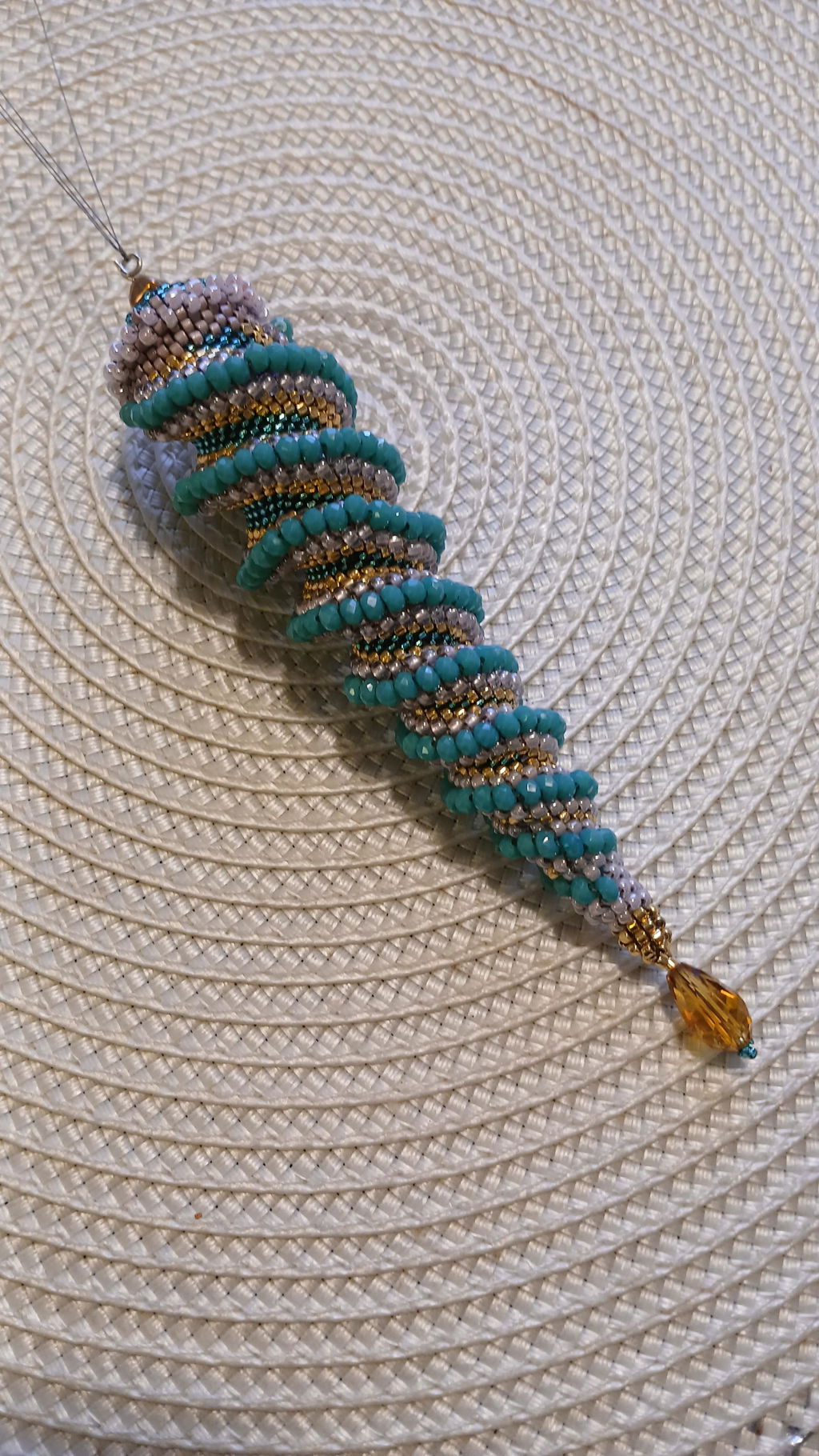
Overview
Creating jewelry is a process that begins with an idea and inspiration, followed by design and prototyping. Key steps include sketching, material selection, prototyping, and quality testing. Once the jewelry is complete, it moves on to mass production, packaging, and marketing. The future of jewelry manufacturing focuses on sustainability and innovative techniques. Your journey in jewelry making can be both challenging and rewarding, and each piece of jewelry tells a unique story.
Creating jewelry is more than just an art form; it is a process that involves several steps, from the initial idea to the finished product. In this blog post, we will explore the wonderful journey of jewelry making, its great importance in the fashion industry, and how brands can succeed in making their dreams a reality.
Idea and Inspiration: The Seed of Jewelry Making
Jewelry making always begins with an idea. It could be a feeling, an experience, or a simple sketch. Designers draw inspiration from their surroundings, nature, cultural patterns, or personal experiences. Here are some ways ideas are born:
- Nature: Flowers, trees, and landscapes can all inspire the beauty of jewelry.
- Culture: Traditional patterns and symbols can give the design a deeper meaning.
- Fashion: Current trends can influence the type of jewelry in demand.
From Sketch to Prototype: The Design Process
Once the idea is clear, it's time to begin the design process. Many jewelry designers use sketches to visualize their vision. This step is called prototyping and is crucial for bringing an idea to life. Here are the most important steps in this section:
1. Create a Sketch
A carefully crafted sketch is the foundation of every piece of jewelry. It helps the designer get an overview of the shape and proportions. A detailed sketch also indicates what materials are needed.
2. Material Selection
The choice of materials is one of the most critical parts of jewelry making. Gold, silver, gemstones, and even alternative materials like leather or wood can be used. Unique combinations create interesting and attractive designs.
3. Prototype Manufacturing
The prototype is the first physical representation of the jewelry. During this step, the jewelry is produced on a smaller scale to test its design. It provides an opportunity to evaluate the jewelry's functionality and aesthetics before the final product is manufactured.
Testing and Improvement: Adjustments to the Jewelry Prototype
Once the prototype is complete, thorough testing is carried out. This involves both comfort and durability. Here are some important aspects to consider:
- Comfort: The jewelry must be comfortable to wear, whether it's a ring, necklace, or bracelet.
- Durability: The materials must be able to withstand normal wear and tear.
- Aesthetics: The design must be appealing and in line with the brand's identity.
The Final Product: From Prototype to Market
Once all adjustments have been made and the prototype has been approved, it's time to move on to the final production phase. Here, the jewelry truly comes to life. The steps leading to this include:
Mass Production
The mass production of jewelry can take place in several ways. Many brands choose to either use machines to ensure efficiency or produce low volumes with hand tools for more unique pieces. Regardless of the method, the fusion of tradition and modern technology is key to the success of jewelry manufacturing.
Packaging and Distribution
After production, it's important to consider how the jewelry will be packaged and distributed. Packaging is a significant part of the customer experience and also provides an opportunity to highlight the brand's identity. The right packaging can also protect the jewelry during transport.
Marketing and Sales: Reaching Out to Customers
When the jewelry is ready to be sold, it's time for marketing. The goal is to reach potential customers and build a strong relationship with them. Here are some strategies to consider:
- Social Media: Using platforms like Instagram and Pinterest to showcase jewelry can increase visibility and create a community.
- Website and E-commerce: A well-designed website is crucial for online sales. It should be easy to navigate and provide a clear picture of the brand.
- Influencer Collaborations: Collaborating with influencers can increase brand reach and credibility.
The Future of Jewelry Manufacturing
As with all creativity, jewelry manufacturing continues to evolve. Future trends will likely include sustainability as a central part of the design process. Many companies strive to use recycled materials and eco-friendly processes to reduce their environmental impact. The combination of traditional and modern techniques, as well as innovative materials, will define the next generation of jewelry.
Your Journey in Jewelry Making
Creating jewelry is a fascinating process that can be both challenging and rewarding. From prototype to finished product, it requires time, dedication, and creativity. If you are interested in diving into the world of jewelry manufacturing, or if you are already an established designer, remember that every piece of jewelry you create has the potential to touch and transform someone else's life.
Explore, experiment, and inspire, and remember that your passion for jewelry making can lead to magnificent creations. Each piece carries its own unique story, and it is in these stories that jewelry truly comes to life.
```