Overview
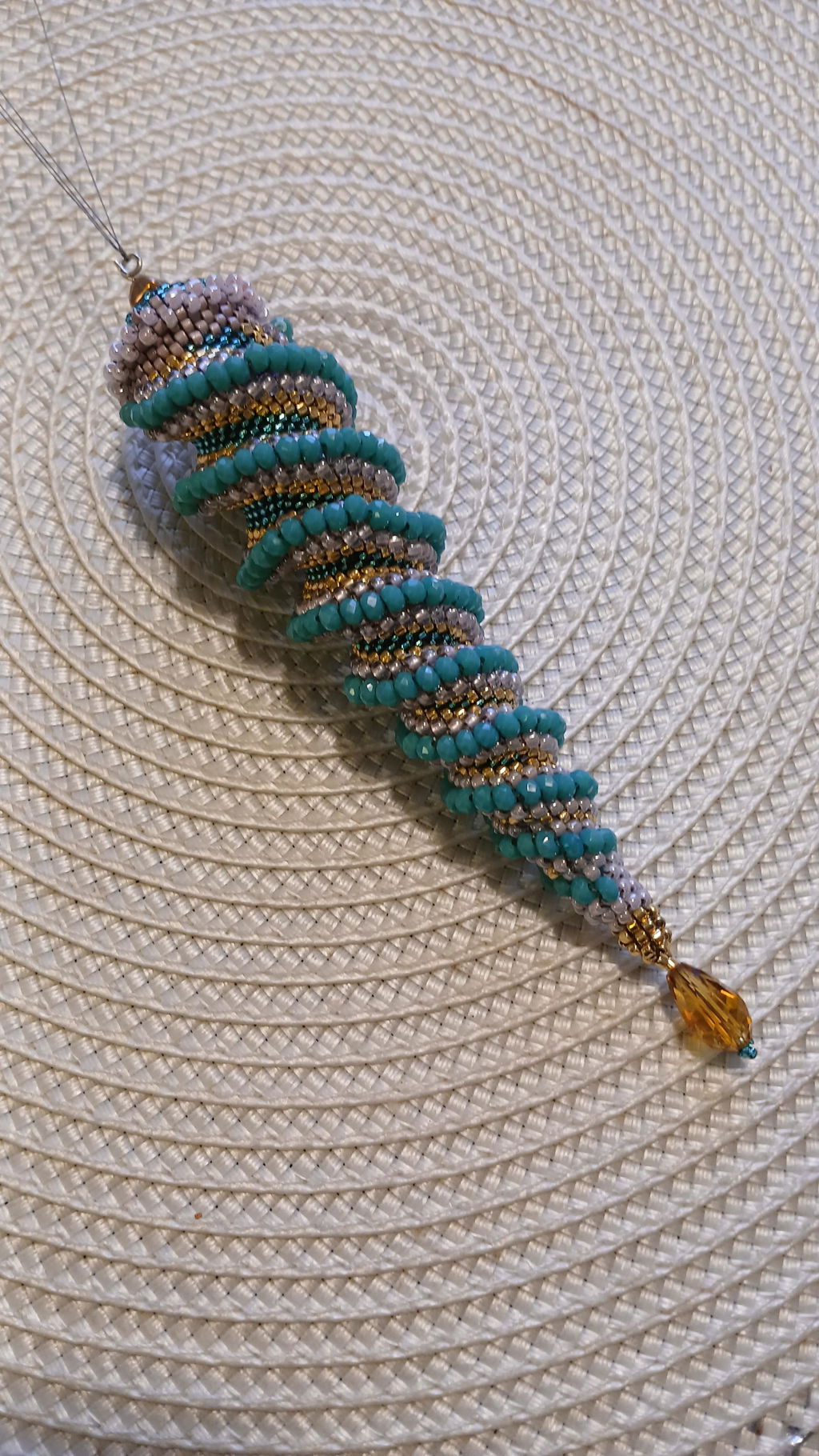
This article explores the process behind jewelry making, from idea and material selection to production and packaging. It emphasizes the importance of creativity and technique, as well as how to use materials like 14mm crystals to create unique jewelry.
Table of Contents
- Idea and Inspiration
- Material Selection
- Choice of Materials
- Jewelry Production
- Craftsmanship and Techniques
- Details and Finishing Touches
- Polishing and Finishing
- Testing and Quality Assurance
- What Quality Assurance Entails
- Packaging and Distribution
- Creative Packaging Solutions
- Final Words: The Jewelry Journey Continues!
Key Takeaways
- Idea and inspiration: Jewelry design begins by drawing inspiration from nature, art, and fashion.
- Material selection: The right materials are crucial for both appearance and durability, including metal, crystals, and stones.
- Production techniques: Common methods include stamping, precious metalworking, grinding, and soldering.
- Details and finishing: Polishing and cleaning are important to achieve the desired look of the jewelry.
- Quality assurance: Thorough checks for strength, color, and safety are necessary before jewelry is distributed.
- Packaging: Creative and sustainable packaging can enhance the customer experience and strengthen the brand.
- Creativity: Jewelry design is an art form that encourages personal expression and innovation.
Pros and Cons
| Pros | Cons |
|---|---|
| Creates unique and personal jewelry. | Requires time and meticulousness to achieve perfect results. |
| Inspiration from various sources can lead to innovative designs. | Costs for materials and tools can be high. |
| Opportunity to use sustainable and recyclable materials. | Requires technical skill to master the craft. |
| Can provide a sense of satisfaction and creative expression. | The market can be competitive and challenging. |
Who it's for (and who it's not for)
Who it's for
- Creative souls: If you love to create and have a passion for design, jewelry making will give you the opportunity to express your creativity.
- Craft enthusiasts: For those who enjoy working with their hands and learning new techniques, jewelry making offers a fantastic platform to develop their skills.
- Fashion-interested individuals: If you follow trends and want to create unique jewelry that complements your style, this is a perfect path to take.
- Entrepreneurs: If you dream of starting your own jewelry line and want to understand the entire process from idea to finished product.
Who it's not for
- Those seeking quick results: Jewelry making is a time-consuming process that requires patience and dedication.
- People with no interest in details: If you don't enjoy working with small details or fine-tuning designs, this might be a challenge.
- Those with limited creativity: If you find it difficult to think outside the box or have no passion for design, this might not be right for you.
- Those who prefer digital work: If you'd rather work with digital tools and are not interested in working with physical materials, jewelry making might feel limiting.
Creating beautiful jewelry is an art form that combines creativity, technical skill, and meticulous planning. In this article, we will explore the process behind jewelry making and how to go from a simple idea to finished products that adorn shelves and feet. With insights into the use of 14mm crystals and jewelry accessories, we will equip you with the knowledge to understand this fascinating process.
Idea and Inspiration
It all starts with an idea. Jewelry designers draw inspiration from various sources, such as nature, art, fashion, and personal style. The process of creating jewelry is unique to each designer, but it usually involves the following steps:
- Research: Explore current trends and style preferences.
- Sketches: Draw concepts and ideas on paper.
- Prototype construction: Create a basic model of the jewelry using simpler materials.
Material Selection
Once there is a clear vision of the design, the next step is to choose the right materials. This involves finding the perfect jewelry accessories that complement the design. Here are some key aspects to consider:
Choice of Materials
The material affects both the appearance and durability of the jewelry. Some common materials include:
| Material | Properties | Use |
|---|---|---|
| Metal | Strong, durable, various finishes | Frames, chains |
| Crystals | Sparkling, colorful, various shapes such as 14mm crystals | Decorations, pendants |
| Stones | Natural, unique, varying hardness | Inlays, focal pieces |
Jewelry Production
Once the right materials have been chosen, the next step is to begin the actual production of the jewelry. Here are some common methods for jewelry making:
Craftsmanship and Techniques
There are various techniques used to create jewelry, including:
- Stamping: Creating jewelry by stamping shapes from material sheets.
- Precious metalworking: Forging and shaping metal to create unique forms.
- Grinding: Grinding crystals to give them the correct shape and luster.
- Soldering: Joining different parts of a piece of jewelry to create a cohesive design.
Details and Finishing Touches
The details make a piece of jewelry unique. Using 14mm crystals or other jewelry accessories can truly transform the look of a design. Here are some final steps in the process:
Polishing and Finishing
Before the jewelry is complete, polishing and finishing are crucial to achieve the desired luster and appearance. This usually involves:
- Cleaning the jewelry to remove any impurities.
- Polishing to achieve a shiny surface.
- Checking quality and details to ensure everything is perfect.
Testing and Quality Assurance
Before jewelry is sent to stores or customers, it is important to conduct a thorough quality control. This includes:
What Quality Assurance Entails
- Checking strength and durability.
- Testing color and luster of crystals and metals.
- Ensuring safety in construction to prevent injuries.
Packaging and Distribution
Once the jewelry has been tested and approved, it's time for packaging and distribution. Packaging is not only practical, it also serves as part of the jewelry's presentation. Effective packaging can attract customers and enhance the shopping experience.
Creative Packaging Solutions
Here are some common ways to package jewelry:
- Gift boxes with a logo to strengthen the brand.
- Recyclable materials to focus on sustainability.
- Branded pouches and compartments that protect the jewelry during transport.
Final Words: The Jewelry Journey Continues!
Jewelry making is a fascinating blend of art and craftsmanship. From developing an idea to having a finished product, the process inspires both creators and lovers of jewelry. With the right materials, including 14mm crystals and jewelry accessories, every designer can create unique and wonderful pieces.
With knowledge of the entire jewelry making process, you can better appreciate the efforts and creativity behind each individual piece of jewelry. Now it's time to explore and discover your own jewelry design! Let your creativity flow and don't hold back from creating something fantastic!
Glossary
| Term | Meaning |
|---|---|
| Idea | A fundamental thought or concept for jewelry design. |
| Materialval | The process of selecting the right materials for jewelry. |
| Prototyp | A basic model of the jewelry in simpler materials. |
| Stansning | Creating jewelry by stamping shapes from sheets. |
| Polering | The process of giving the jewelry a shiny surface. |
| Kvalitetssäkring | Checking strength and durability before sale. |
| Förpackning | Protection and presentation of jewelry for customers. |
| Kristaller | Sparkling decorations used in jewelry. |
| Precious metal processing | Techniques for shaping and forging metal. |
| Details | Unique elements that make a piece of jewelry special. |
Linked product

Primero Crystals 1122 Rivoli - Crystal Laguna DeLite 14mm 1 piece
Primero Crystals 1122 Rivoli - Crystal Laguna DeLite 14mm is a versatile crystal suitable for both beginners and experienced jewelry makers. With their shimmering surface and unique color combination, they are perfect for creating beautiful jewelry or decorating clothes and accessories. Without holes, these crystals offer a smooth surface that allows for creative design possibilities in various projects.
View product