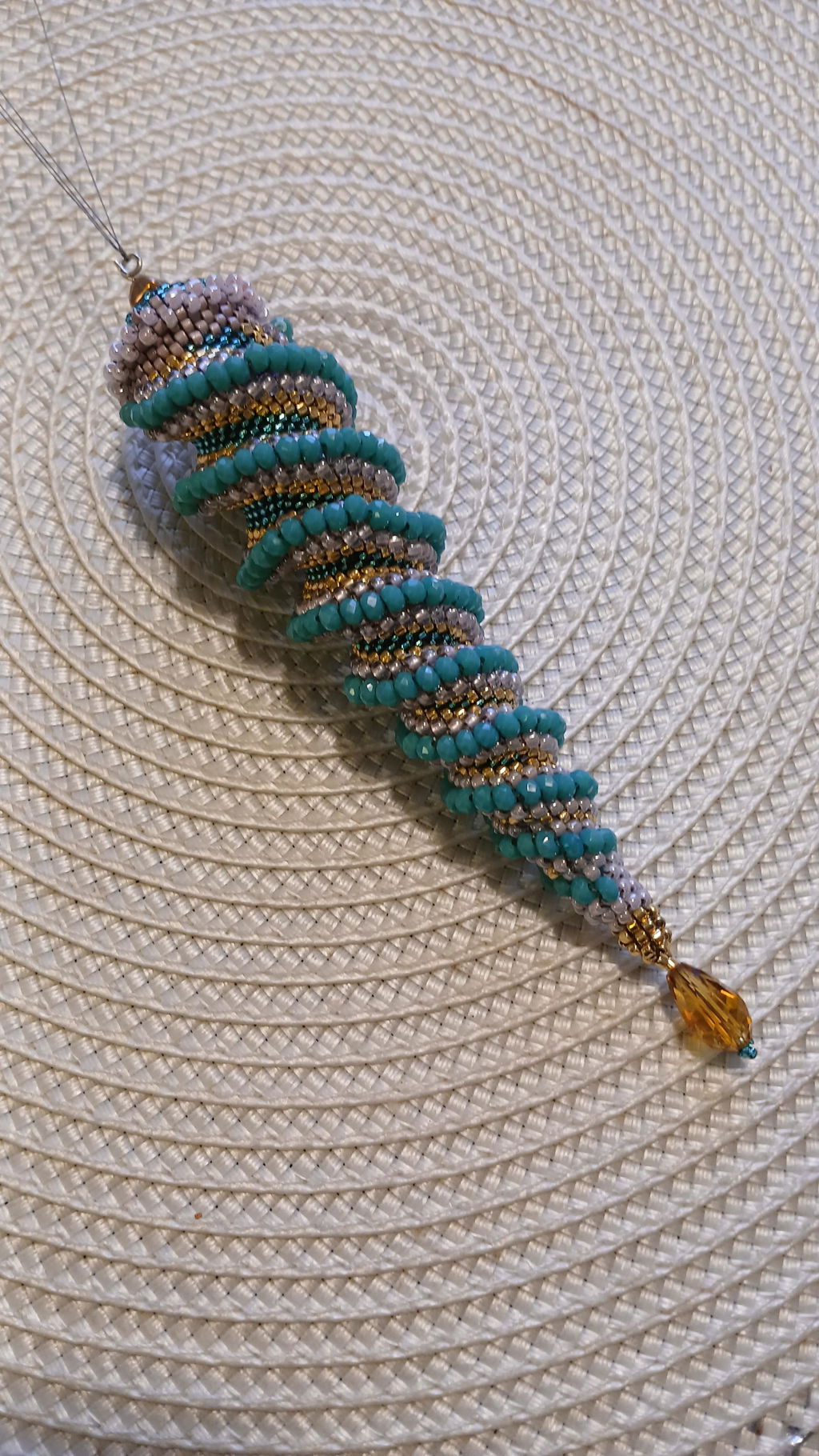
The jewelry industry is constantly seeing new and exciting innovations. With advancements in technology, how jewelry is designed and manufactured is also changing. This article will explore current technologies in jewelry production and how they affect the manufacturing of jewelry components. Whether you are a hobbyist, a professional jeweler, or just a jewelry lover, there is always something new to learn.
3D Printing in Jewelry Production
One of the most groundbreaking technologies in jewelry production is 3D printing. This technique has revolutionized how we create jewelry and jewelry components. By using digital models, jewelers can create complex and customized designs that were previously difficult or impossible to produce.
Advantages of 3D Printing
- Cost-effectiveness: 3D printing reduces material and labor costs.
- Rapid Prototyping: Designers can quickly create prototypes and test new ideas.
- Customizability: Since digital models are easy to adjust, customers can get exactly what they want, increasing customer satisfaction.
Laser Cutting and Engraving
Another current technology in jewelry production is laser cutting and engraving. By using lasers, jewelers can create detailed patterns and cuts that are both precise and unique.
How does laser cutting work?
Laser cutting uses concentrated light to melt or burn through the material. Jewelry components can be shaped with exceptional accuracy, opening up possibilities for creative and detailed designs. This makes the technique particularly popular among jewelers who want to offer personalized and unique jewelry.
Sustainable Materials and Eco-friendly Production
With increased awareness of environmental impact, there has been a shift towards more sustainable methods of jewelry production. Several companies are now focusing on using recycled materials and environmentally friendly processes for manufacturing jewelry components.
Examples of sustainable materials
- Recycled silver and gold: Using metal from old jewelry helps reduce the environmental impact of mining.
- Ethical stones: Many jewelers are now looking for ways to source gemstones that are ethically and sustainably extracted.
- Bioplastics: New types of biodegradable plastics are increasingly being used in jewelry manufacturing.
CNC Machining
CNC (Computer Numerical Control) is a method for controlling machine tools using computers. In jewelry production, CNC machines are used to create parts with high precision and complexity.
Cases and examples of CNC use
Jewelers can use CNC technology to manufacture jewelry components such as rings, earrings, and bracelets with incredibly detailed designs. The technology also makes it possible to create small series of jewelry, perfect for small businesses that want to offer custom-made products.
Digital Design and CAD Software
Digital design plays a central role in modern jewelry production. CAD (Computer-Aided Design) software allows designers to create and visualize jewelry components in a digital environment before moving on to manufacturing.
Advantages of CAD
- Precision: CAD software enables designers to create extremely accurate and detailed models.
- 3D Modeling: Designers can create 3D models of their designs and easily adjust them as needed.
- Easy Collaboration: By using digital models, it is easier to share designs with customers and partners.
Virtual and Augmented Reality (VR/AR)
Virtual and augmented reality are now gaining greater importance in jewelry production. By using VR and AR, customers can experience jewelry in a whole new way.
Focus on customer experience
One example of how AR is used is through apps where customers can "try on" jewelry virtually, giving them a better idea of how the product will look on them. This not only enhances the shopping experience but also reduces the number of returns.
Future Prospects for Jewelry Production
As we can see, there are many exciting technologies influencing jewelry production today. From 3D printing and laser cutting to sustainable materials and digital design—the future looks bright for the industry.
Future trends
- Increase in personalization: Customers want unique jewelry that reflects their personality and style.
- Focus on sustainability: A continued effort to use environmentally friendly materials and processes.
- Integration of technology: From AI to automation, technology will continue to play a major role in how jewelry is made.
With current technologies in jewelry production, we are shaping the future of beauty, creativity, and sustainability. Jewelry components are now created with a precision and authenticity never before seen, making each piece of jewelry not just an accessory, but a story and part of a larger vision. Let us embrace these innovations and see where they take us in the world of jewelry!