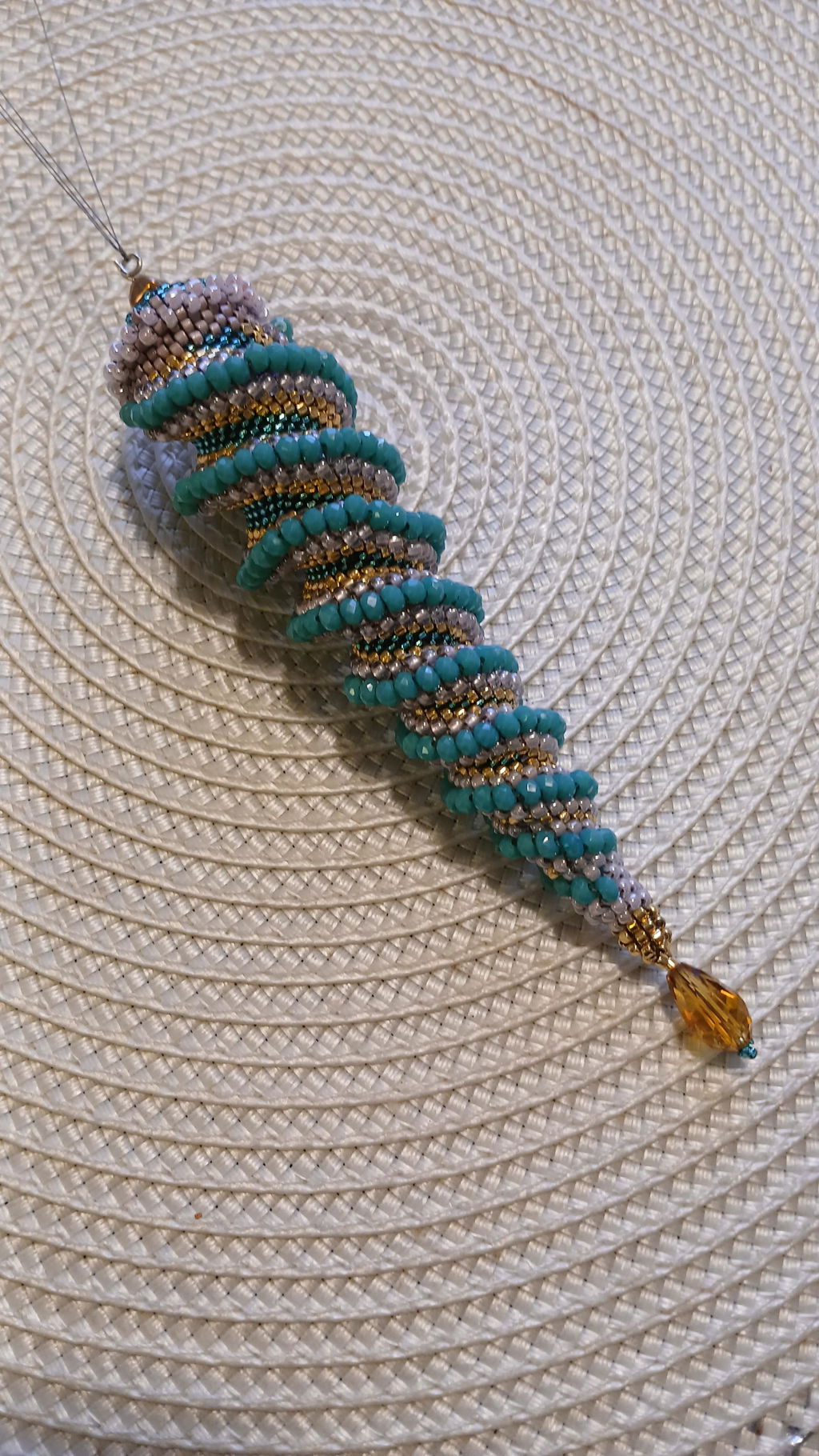
Overview
Color is crucial in jewelry design, affecting both aesthetics and customer perception. By understanding color theory, including primary and secondary colors, color schemes, and the psychology of colors, designers can create harmonious and attractive jewelry. Staying updated on color trends and adapting to the target audience is also important for building a successful jewelry collection. Experiment with color combinations to create unique and meaningful designs.
Color is one of the most powerful tools in any designer's arsenal. For jewelry designers, understanding color theory is crucial for creating beautiful, harmonious, and stylish pieces. In this article, we will delve deep into color theory and how it influences the design of jewelry accessories. We will also discuss how color choices can affect customer perception and purchasing behavior.
What is Color Theory?
Color theory is a collection of principles that deal with how colors work together. It involves the study of color schemes, color mixing, and how different colors evoke emotions and perceptions. In jewelry design, this is immensely important, as the color of jewelry accessories can practically define their character and purpose.
Primary and Secondary Colors
Color theory begins with primary colors: red, blue, and yellow. By mixing these colors, we can create secondary colors: green (blue + yellow), purple (blue + red), and orange (red + yellow). These colors are often used in jewelry design to create a strong foundation for your color palette.
Tertiary Colors and Their Significance
When primary and secondary colors are mixed, we get tertiary colors such as rose-red, olive green, and aqua. These colors add depth and complexity to the design of jewelry accessories. By using tertiary colors, designers can create unique and creative combinations that truly stand out.
The Color Wheel and Color Schemes
The color wheel is a visual representation of colors and how they relate to each other. It is used to create various color schemes that can guide designers in their creation of jewelry accessories.
Complementary Colors
Complementary colors are opposite each other on the color wheel. When these colors are used together, they create a strong visual contrast. In jewelry design, complementary colors can be used to highlight special details or create focus in the design. For example, a delicate gold ring with a blue sapphire can create a stunning effect.
Analogous Colors
Analogous colors are next to each other on the color wheel and create a harmonious and unified look. Combining analogous colors can be an excellent way to create jewelry accessories that feel cohesive. For example, a combination of blue, blue-green, and green can evoke a calm and peaceful feeling.
Triadic Colors
Triadic colors involve choosing three colors that are evenly spaced on the color wheel. What makes this color scheme interesting is the balanced and vibrant feeling it creates. A triad of red, yellow, and blue can give a playful and energetic feel in jewelry design.
The Meaning and Psychology of Colors
Color has a profound effect on our mood and perception. In jewelry accessories, it is crucial to understand how different colors affect consumers.
Red – Passion and Energy
Red is a powerful color often associated with love, energy, and passion. A red diamond or ruby can be appreciated for its intensity. If you design jewelry to be worn on romantic occasions, red can be the perfect choice.
Blue – Calmness and Stability
Blue is a color often discussed in connection with calmness and stability. It creates a sense of security and trust. Jewelry accessories with blue hues, such as aquamarines or lapis lazuli, can be very attractive to those seeking an elegant and timeless look.
Green – Nature and Growth
Green is a symbol of nature, growth, and harmony. Including green stones in your jewelry gives a fresh and vibrant feel. Emerald or jade can be fantastic choices for your collection.
Yellow – Joy and Optimism
Yellow is a color that conveys joy and optimism. It can help create jewelry that evokes positive emotions. Jewelry accessories with gold-colored details or citrines can be a fantastic design idea for spreading joy.
How to Bring Your Jewelry Design to Life with Color
Integrating color theory into your jewelry design is crucial for creating products that truly make an impression. Here are some tips for using color effectively in your design:
- Experiment with color combinations: Test different schemes to see what works best for your vision.
- Create contrast: Use complementary colors to create focus and interesting details in your jewelry.
- Keep it harmonious: Use analogous colors to create soft, unified jewelry accessories.
- Be aware of color psychology: Understand how colors affect people and create jewelry that suits the purpose.
The Role of Color Trends in Jewelry Design
Just like in fashion, color trends are constantly changing. Staying informed about current color trends can give your jewelry accessories a modern and relevant look. Following industry trends can help you create jewelry that customers love.
Trendy Colors Year by Year
Each year, Pantone releases a color they call "Color of the Year." These colors have a significant impact on many industries, including jewelry design. By including these trends in your jewelry accessories, you can attract customers who are looking for the latest in design.
Color Specialists and Their Influence
Color specialists and trend analysts often publish reports and color schemes that designers can use. Staying updated on these can provide valuable insights and inspiration for your next project.
Building a Colorful Jewelry Collection
When designing a collection of jewelry accessories, it's important to consider how the colors interact with each other. Here are some steps to create a harmonious and appealing color collection:
- Define the theme: Decide on a theme that will permeate the entire collection.
- Choose a main color: Select a color that will be dominant in the collection.
- Create a palette: Choose complementary and analogous colors to create variation.
- Include accent colors: The addition of accent colors can bring life to your design and make it more complex.
Creating Jewelry Accessories with Personality
Effectively using color theory also involves creating jewelry that has a personal touch. By understanding yourself and your target audience, you can create jewelry that truly resonates with them. Consider the following factors:
Your Target Audience
Knowing who your target audience is helps you choose the right colors. For example, younger customers may be more open to bold and bright colors, while a more mature audience might prefer classic tones.
Personal Style and Expression
Your own style as a designer also influences color choices. If you are inspired by a certain culture or trend, let that be reflected in your jewelry accessories. Being authentic in your design will strengthen customers' connection.
Experience and Experimentation Yield Results
Understanding color theory as part of jewelry design involves both theory and practice. Experience and time to experiment are crucial for developing your sense of color. Through continuous learning and exploration, you can create jewelry accessories that are not only beautiful but also meaningful.
So, remember that color is more than just a visual component; it is a powerful tool that can transform your jewelry into something truly magical. Take the plunge, play with color, and let your creativity flow! Your next great design might be just one color choice away.