Overview
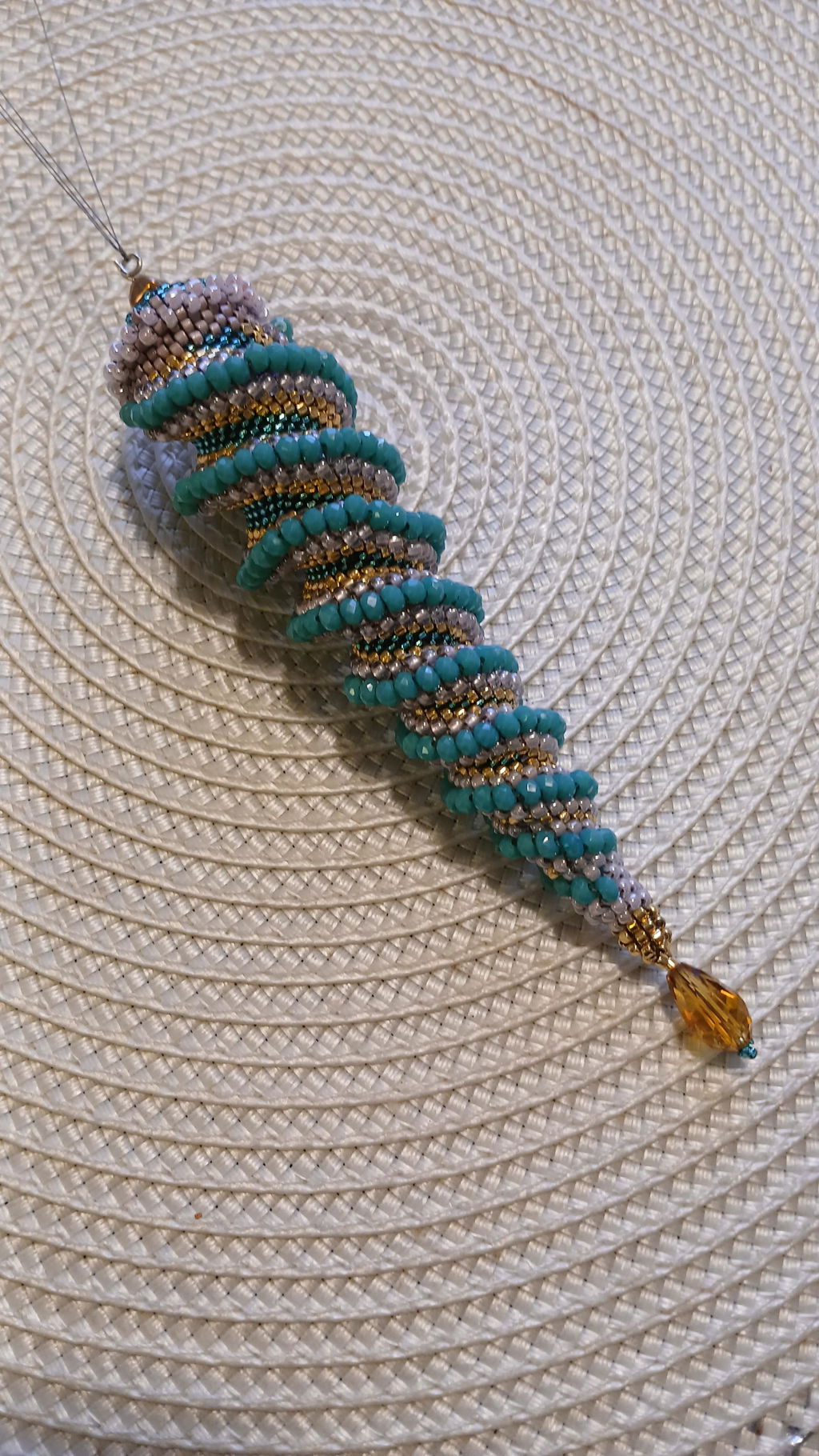
Beads have a rich history spanning over 5000 years and have been used in jewelry, religious objects, and art. They have evolved through various eras, from antiquity to the Renaissance, and are used today in fashion and crafts. Czech waxed glass beads and seed beads are among the most popular types today. Beads continue to be relevant and inspiring, with a focus on sustainability and creativity in the future.
Table of Contents
Key takeaways
- Beads have been used for over 5000 years, with origins dating back to ancient civilizations.
- Czech waxed glass beads are popular for their beauty and durability, making them ideal for jewelry making.
- Seed beads are small, round beads used in various craft projects, including weaving and embroidery.
- Beads are used today in fashion, art, and crafts, demonstrating their versatility and timelessness.
- Sustainability and ethics are important issues in the bead industry, with a focus on eco-friendly materials and methods.
- Beads have a rich history as symbols of wealth and status, particularly during antiquity and the Middle Ages.
- Modern beads include both natural and artificial varieties, providing a wide range for creative projects.
Pros and Cons
| Pros | Cons |
|---|---|
| Beads have a rich history and cultural significance. | Beads can be expensive, especially natural varieties. |
| Czech waxed glass beads are durable and versatile. | Some types of beads can be difficult for beginners to work with. |
| Seed beads come in many colors and shapes, promoting creativity. | Bead production can have an environmental impact if sustainable methods are not used. |
| Beads are used in both fashion and art, making them popular. | The market can be saturated, making it difficult to find unique pieces. |
| Beads are timeless and can be used in many different styles. | Quality can vary greatly between different manufacturers. |
Who is it for (and who is it not for)
Who should choose this?
- Craft enthusiasts: If you love creating your own jewelry or craft projects, beads are an excellent choice to enhance your creations.
- Fashion-conscious individuals: For those who want to add unique and elegant details to their clothes and accessories, beads offer a fantastic opportunity.
- Artists: If you are an artist looking for new materials to work with, beads can add an interesting dimension to your work.
- Curious beginners: If you are new to jewelry making or crafts, there are many resources and projects available to get started with beads.
Who should not choose this?
- Those who prefer minimalist design: If you like a simple and stripped-down style, beads might feel too flashy or superfluous.
- People with allergies: If you have allergies to certain materials, such as metal or plastic, you should be careful with your choice of beads.
- Those who lack time: Bead making can be time-consuming; if you are short on time, it might be better to choose simpler projects.
- Those not interested in crafts: If you have no interest in creation or crafts, beads might feel irrelevant to you.
Frequently Asked Questions
1. What is the origin of beads?
2. How were beads used in antiquity?
3. What role did beads play during the Middle Ages?
4. What characterizes Czech waxed glass beads?
5. How are beads used today?
For centuries, beads have enchanted people with their glittering colors and unique shapes. Their history is rich and varied, and they have been used in everything from jewelry to religious objects. In this article, we will explore the origin of beads, their evolution through time, and how they still play an important role in modern design, including Czech waxed glass beads and seed beads.
The Origin of Beads
Beads have been used by humans for over 5000 years, and their origins can be traced back to ancient civilizations. In this part of the article, we will look at how beads first began to be used and the different types of beads that have existed throughout history.
Prehistoric Times
The earliest known beads were found in Mesopotamia and date back to around 3000 BC. These beads were made of seashells, stone, and bone. Beads were most often used as decorations and symbols of wealth, and they have always held an important place in people's lives.
Antiquity
During antiquity, the use of beads continued to spread, and they became a status symbol among the aristocracy. The Romans and Greeks used beads in their jewelry, and also as a means of payment. Beads from the sea, especially silk beads and natural pearls, were particularly sought after.
Beads through the Middle Ages and Renaissance
During the Middle Ages, the perception of beads changed, and they were now often seen as symbols of religious and spiritual significance. Many monasteries used beads in their liturgical articles, which helped preserve the technique of creating and working with beads.
The Middle Ages
During this period, beads were exclusive and expensive. They were mainly used by royalty and high nobility. Beads in clothing and jewelry became a sign of status and power, and in some cultures, they were even believed to have magical properties.
The Renaissance
With the advent of the Renaissance came a new era of bead art. Motifs became more complex and techniques more advanced. This period also saw an increase in Czech waxed glass beads which became popular among artisans for their beauty and durability.
Modern Beads and Their Types
Today, there is an amazing variety of beads on the market, ranging from natural pearls to artificial varieties. Two of the most popular types are Czech waxed glass beads and seed beads, both known for their vibrant colors and durability.
Czech Waxed Glass Beads
These beads are made with a special waxing technique that gives them a glossy surface and a unique touch. They come in a variety of shapes and sizes, making them perfect for jewelry making. Their durability means they can be used in both everyday and festive contexts.
Seed Beads
Seed beads are small, round beads that come in virtually every color and finish. They are used in a variety of craft projects, including weaving and embroidery. Their versatility makes them a favorite among both amateurs and professional crafters.
How Beads Are Used Today
Today, beads are used in a variety of contexts, from fashion to art and crafts. Many designers use Czech waxed glass beads and seed beads in their collections to create unique pieces that stand out. Let's take a closer look at some popular uses:
- Jewelry making: Beads are used to create jewelry of all shapes and sizes, including bracelets, necklaces, and earrings.
- Clothing design: Beads are often used to decorate clothes and accessories, giving them an elegant and unique touch.
- Artworks: Many artists use beads to create stunning artworks and sculptures.
- Crafts: From weaving to embroidery, beads are an important element in the world of crafts.
Table of Bead Types and Their Properties
| Bead Type | Material | Manufacturing | Use |
|---|---|---|---|
| Czech waxed glass beads | Glass | Waxed and polished | Jewelry, clothing, decorations |
| Seed beads | Glass in various finishes | Pressed and colored | Crafts, jewelry making, embroidery |
| Natural pearls | Shells | Natural formation | Jewelry, luxury items |
| Cultural beads | Varying materials | Traditional methods | Art, decoration, ceremonial uses |
The Future of Beads
With the continuous development in design and technology, beads continue to be relevant across various cultures and contexts. As more people learn about the craftsmanship and beauty of beads, there is always a demand for unique and innovative projects.
It's also worth noting that sustainability and ethical perspectives have become important issues within the bead industry. Many jewelry manufacturers strive to use environmentally friendly materials and methods, allowing beads to continue inspiring and bringing people together in a positive way.
So, whether you are an experienced bead enthusiast or a beginner in the art of jewelry making, there is always something new to discover. The history of beads is a fascinating part of human culture, and they will always hold a special place in our hearts and crafts.
Glossary
| Term | Meaning |
|---|---|
| Pärlor | Small, round objects used in jewelry and crafts. |
| Tjeckiska vaxade glaspärlor | Glass beads with a glossy surface, popular in jewelry making. |
| Seedbeads | Small beads in various colors, used in weaving and embroidery. |
| Antiken | Period where beads became status symbols among the aristocracy. |
| Renässansen | Period with advanced bead art and new techniques. |
| Hantverk | Creation of artworks and jewelry with beads. |
| Kulturella pärlor | Beads used in traditional ceremonies and decorations. |
| Naturliga pärlor | Beads that form naturally in shells. |
| Hållbarhet | Practice of using environmentally friendly materials within the bead industry. |
| Smyckestillverkning | The process of creating jewelry using beads. |
Linked Product

Czech waxed glass beads - White Matt 8mm, 1 strand
Czech waxed glass beads in White Matt offer an elegant and versatile solution for jewelry making. With a matte finish and a diameter of 8 mm, they are excellent for creating bracelets, necklaces, and earrings. Each strand contains 75 high-quality beads, making them both practical and stylish for various creative projects.
View product