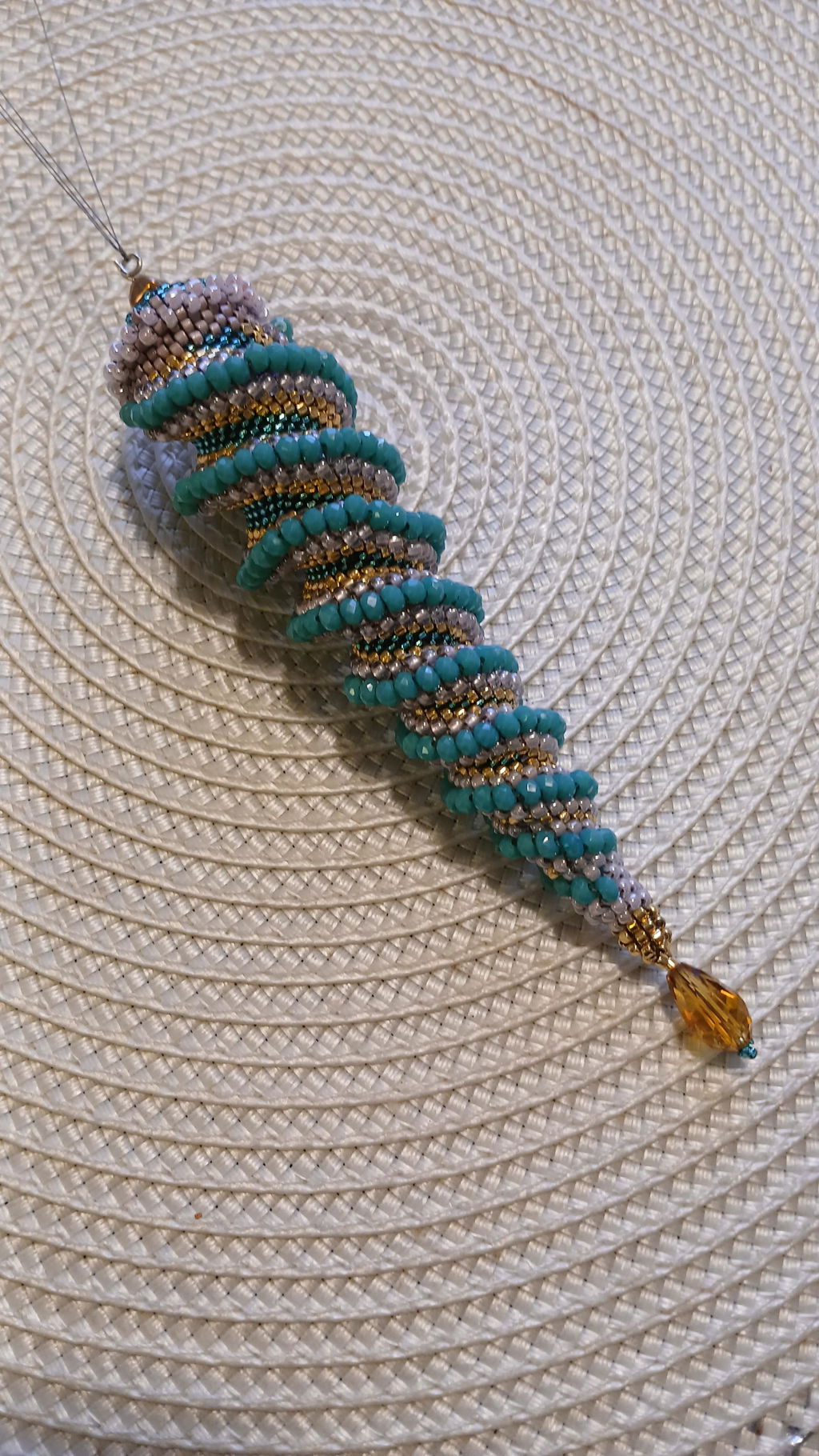
In jewelry design, color theory plays a crucial role in creating visual masterpieces. With the help of colors, designers can convey emotions, create contrasts, and capture attention. In this article, we will explore how color theory is applied in jewelry design and how beads can be integrated in a fantastic way.
What is Color Theory?
Color theory is about how colors work together. This theory involves how colors can be mixed, matched, and complemented, which is crucial for creating harmonious and attractive jewelry. When we talk about color theory, we primarily focus on the color wheel, which is a tool that helps understand the relationships between colors.
Primary, Secondary, and Tertiary Colors
The color wheel consists of primary, secondary, and tertiary colors. Here's a brief overview:
- Primary colors: Red, blue, and yellow. These colors cannot be mixed from other colors.
- Secondary colors: Green, purple, and orange, created by mixing two primary colors.
- Tertiary colors: These created colors come from mixing primary and secondary colors.
Understanding these basic colors is important when designing jewelry, especially when applying them with beads.
Color Schemes in Jewelry Design
Color schemes are crucial for creating a visually appealing piece of jewelry. Here are some popular color schemes used in jewelry design:
Complementary Colors
Complementary colors are opposite each other on the color wheel. Using these in jewelry design can create strong contrasts and make the beads truly stand out. For example, a purple bead can be combined with a gold-colored chain for a stunning visual effect.
Analogous Colors
Analogous colors are next to each other on the color wheel. These colors harmonize easily with each other and are excellent for creating jewelry that feels more unified. Think of green, blue, and turquoise when creating a piece of jewelry with these colors and beads.
Triadic Colors
Triadic colors consist of three colors that are evenly spaced around the color wheel. This color scheme gives a vibrant and balanced feel. If you choose a red bead, you can combine it with blue and yellow-green details to create an exciting piece of jewelry.
The Role of Beads in Jewelry Design
Beads are one of the most beloved materials in jewelry design. Their natural beauty and variations in color make them a perfect choice for implementing color theory. Here are some ways to use beads effectively in your design.
Colorful Beads
Colorful beads come in many different shades and hues, giving designers endless variety to work with. By combining beads of different colors and sizes, you can create unique and personal jewelry.
Bead Shapes and Textures
In addition to color, shape and texture also play an important role. Round, white beads can give a classic feel, while square or oval beads can create a modern and stylish look. Mixing these can add interesting visual aspects to your jewelry.
Combine with Other Materials
Combining beads with other materials such as metal and leather can also open up new color combinations. For example, you can use metallic colors like silver or gold to add elegance to your beaded jewelry. Consider how these colors work with the colored beads to create a cohesive look.
Emotions and Colors in Jewelry Design
Colors can affect how we feel. Understanding how different colors affect emotions can help designers create jewelry that is both visually appealing and emotionally resonant. Here are some colors and their emotions:
- Red: Strength, passion, and love.
- Blue: Calm, security, and trustworthiness.
- Green: Growth, harmony, and freshness.
- Yellow: Joy, energetic, and optimism.
By using colors that convey desired emotions, you can strengthen your jewelry design and make them more meaningful for customers.
Beads and Trends in Jewelry Design
Trends in jewelry design are constantly changing, and color theory plays a major role in these changes. Staying updated with color trends can help you design jewelry that is at the forefront. Here are some current color trends:
Natural and Earthy Colors
Natural and earthy colors have become increasingly popular, and beads in these shades can create a sense of calm and stability. Consider shades of beige, brown, and green when designing with beads.
Neon Colors
Neon colors are also on the rise in jewelry design. The combination of bright, bold beads with neutral colors can really make the jewelry pop. Use neon-colored beads to create a vibrant and energetic look.
Practical Tips for Jewelry Design with Color Theory
Designing jewelry with color theory can feel overwhelming, but there are a few practical tips that can help you along the way.
- Start with a Base Color: Choose a base color that you want to focus on and build the design around it.
- Use the Color Wheel: Always refer to the color wheel to help you match and contrast.
- Test Different Combinations: Experiment with different colors and beads to see what works best.
- Listen to Your Gut: Remember that jewelry design is also about creative expression; follow your intuition.
Concluding Thoughts on Color Theory and Beads
Understanding color theory and its application in jewelry design can truly elevate your creations to a new level. By integrating colorful beads and using different color schemes, you can create unique jewelry that appeals to both the eye and the heart. Explore, experiment, and create to see how colors can transform your ideas into fantastic jewelry!
Step into the Shopify or Wix store of another user. Begin your visit by clicking this store link. Kindly note that this is a promotional link, and we do not take responsibility for the content of the linked store.