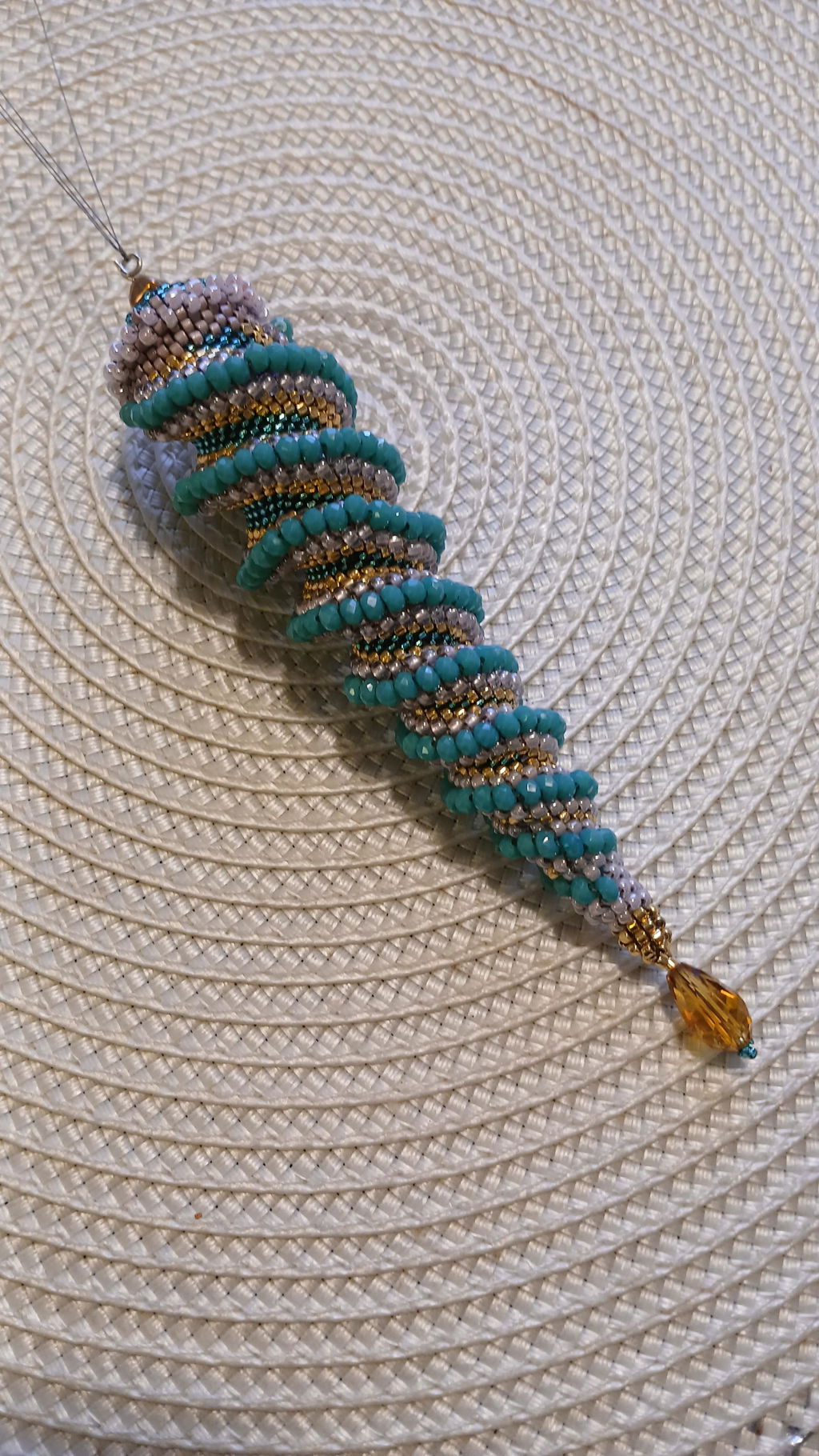
Creating beautiful jewelry is not just about craftsmanship and materials; it's also about understanding color and how it affects design and aesthetics. Color theory is a cornerstone of jewelry design that can transform how jewelry is perceived and appreciated. In this article, we will explore the important role of color theory in jewelry design and how to use it to create harmonious and enchanting pieces.
What is Color Theory?
Color theory is the study of the properties, relationships, and effects of colors. Colors can convey emotions, set moods, and even influence behavior. There are several fundamental concepts crucial to understanding color theory, including the color wheel, color harmony, and color psychology.
The Color Wheel and its Significance
The color wheel is a tool used to visualize the relationships between colors. It consists of primary colors (red, blue, yellow), secondary colors (green, orange, purple), and tertiary colors created by mixing primary and secondary colors. For jewelry designers, it is crucial to understand how these colors work together to create interesting and balanced compositions of jewelry components.
Color Harmony in Jewelry Design
Color harmony refers to how colors are combined to create an appealing expression. There are several different methods for achieving color harmony, including:
- Complementary colors: Colors that are opposite each other on the color wheel. For example, red and green. These create contrasting and vibrant combinations.
- Analogous colors: Colors that are next to each other on the color wheel. They create a harmonious and calm feeling, perfect for elegant jewelry.
- Triadic colors: Three colors that are evenly spaced around the color wheel. This method provides an energetic and balanced design.
Understanding these color schemes can help designers choose the right jewelry components when creating their collections.
Color Psychology and its Impact
Color psychology deals with how colors affect our emotions and behaviors. For jewelry designers, it is important to understand what feelings different colors convey. For example:
- Red: Symbolizes passion and energy.
- Blue: Conveys calm and stability.
- Green: Associated with nature and growth.
- Yellow: Represents joy and optimism.
By using colors that reflect specific emotions, jewelry designers can create pieces that are not only visually appealing but also communicate a message to the wearer.
Practical Applications of Color Theory in Jewelry Design
Implementing color theory in jewelry design involves more than just choosing colors that look good together. Here are some ways designers can practically apply color theory:
Choice of Materials and Jewelry Components
The choice of materials plays a significant role in the color experience. Consider how different metals and minerals reflect light and how their colors interact.
Layering and Textures
By layering different colors and textures, designers can create depth and dimension in their jewelry. This can be done by combining different types of jewelry components, e.g., a garnet cluster hanging from a rose gold chain.
Creating Unique and Personalized Jewelry
With an understanding of color theory, jewelry designers can create unique and personalized pieces. By always considering the wearer's personality and style, designers can create jewelry that truly reflects the individual.
Color Trends and Jewelry Design
Colors are often cyclical, and trends change over time. Staying informed about current color trends can give designers a competitive edge. Here are some ways to stay updated:
- Follow fashion and design exhibitions to see which colors are dominating.
- Analyze social media to see which colors are being trended by influencers.
- Study past collections to identify enduring trends.
Creating a Signature Style with Color Theory
A strong sense of color and its impact can help jewelry designers develop a signature style that sets them apart from the crowd. This can be achieved through:
- Consistently using a specific palette of colors in their collections.
- Experimenting with different color combinations to create a unique aesthetic identity.
- Being aware of how colors react with different styles and trends over time.
Color Theory and Sustainability in Jewelry Design
In a world where sustainability is becoming increasingly relevant, color theory can also be applied to the choice of materials and production. By choosing colors and materials that are sustainable and ethically sourced, designers can contribute to a more environmentally friendly future. Here are some suggestions:
- Choose organically produced dyes.
- Use recycled jewelry components in the design.
- Work with local artisans to minimize the climate impact of transport.
Moving Forward: Color Theory and Innovation in Jewelry Design
The future of jewelry design is exciting, with endless possibilities for innovation. By continuing to explore and experiment with color theory, designers can create jewelry that not only adorns the wearer's body but also touches their emotions and soul. From using smart technology to blending traditional and modern techniques, color theory is key to success.
By maintaining a focused and passionate approach to color theory, the next generation of jewelry designers is likely to create stunning pieces that will captivate and inspire the world.