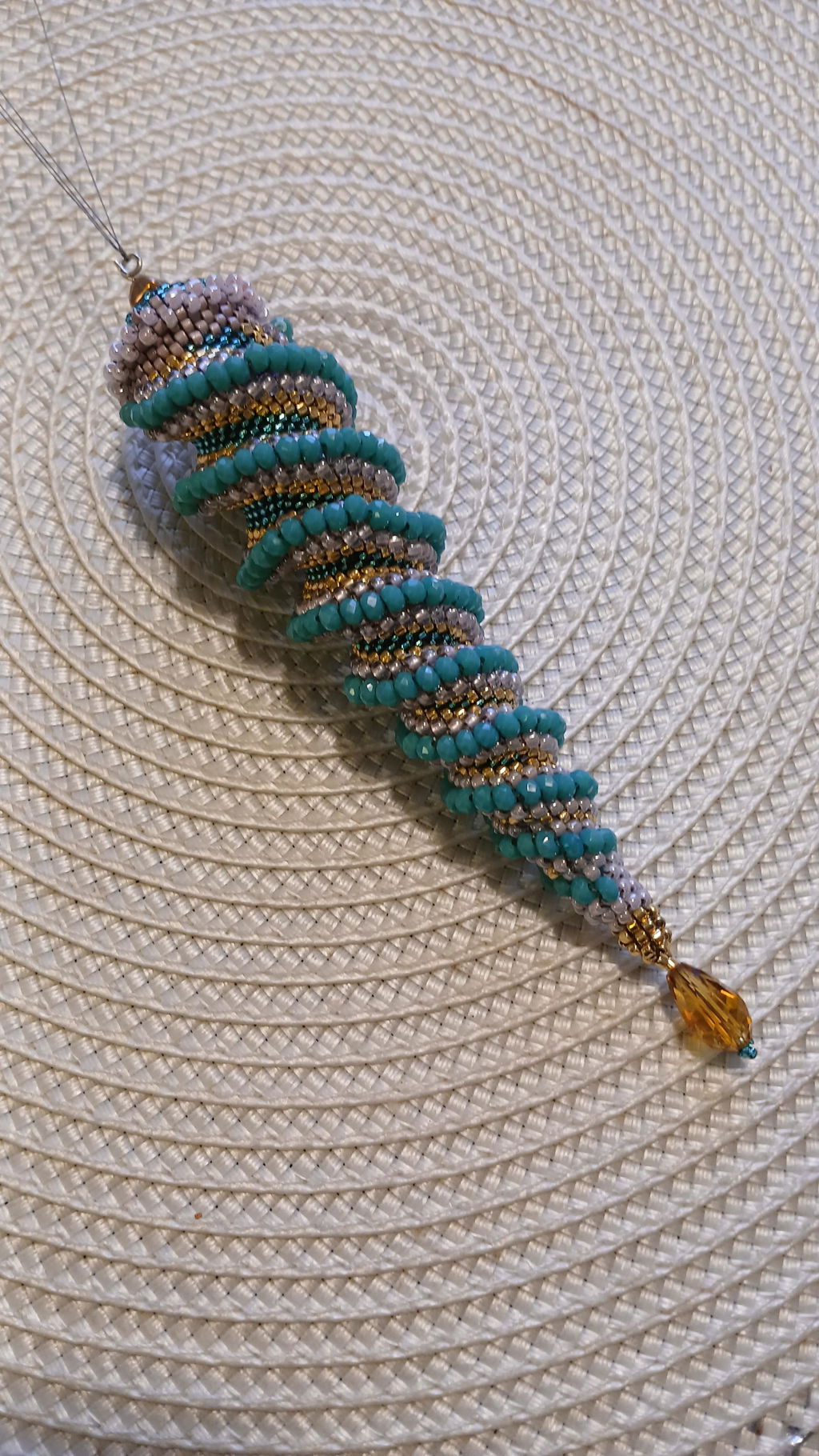
Overview
Color theory is crucial for jewelry design, especially when working with beads. By understanding color types, harmonies, and how colors affect emotions, you can create unique and attractive jewelry. Experiment with different colors and styles to develop your personal design and express your creativity.
Frequently Asked Questions
1. What is color theory?
2. What are the three main types of colors in color theory?
3. What are complementary colors?
4. How do colors affect emotions?
5. What should you consider when designing with colors in jewelry?
Creating jewelry is an art form that combines both creativity and technique. One of the most critical aspects of this process is color theory. Understanding how colors work together can make a big difference in how your jewelry is perceived. In this article, we explore how you can use color theory to choose the right shades for your jewelry, especially when it comes to working with beads.
What is color theory?
Color theory is about how colors interact with each other and how they can affect emotions and perception. By understanding the color wheel and the different color types, you can better choose shades for your jewelry that highlight the beauty of materials like beads.
Color types and their significance
In color theory, three main types of colors are identified:
- Primary colors: Red, blue, and yellow. These colors cannot be created by mixing other colors.
- Secondary colors: Green, orange, and purple. These colors are created by mixing two primary colors.
- Tertiary colors: These colors are created by mixing a primary color with a secondary color, such as red-orange or blue-green.
By combining different colors in your jewelry, you can create unique and attractive designs. When working with beads, it is important to consider how these colors play together.
Color harmonies and their use
Creating a color harmony is important to achieve balance in your jewelry. There are several different types of harmonies that are often used:
Complementary colors
Complementary colors are colors that are opposite each other on the color wheel, such as red and green or blue and orange. When these colors are used together, they create a strong contrast that can highlight details, especially in jewelry with beads.
Analogous colors
Analogous colors are colors that are next to each other on the color wheel, such as blue, blue-green, and green. These colors work harmoniously together and provide a more subtle effect, ideal for elegant jewelry.
Triadic colors
Triadic colors involve three evenly spaced colors on the color wheel, such as red, yellow, and blue. This combination can create vibrant and dynamic jewelry when mixed with beads in different shades.
Pearls and their color variations
Pearls come in a variety of colors and shades. From classic white and black to more extravagant colors like blue, pink, and purple. When choosing pearls for your jewelry, it is important to consider how their colors fit into the overall design concept.
Natural and synthetic pearls
Both natural and synthetic pearls are available. Natural pearls come in different colors based on their original environment, while synthetic pearls can be produced in a variety of colors. Combining these types of pearls can give your jewelry a unique character.
Color psychology: How colors affect emotions
Colors can evoke different emotions in us. For example:
- Red: Passion and energy.
- Blue: Calmness and above all stability.
- Green: Growth and harmony.
- Yellow: Happiness and optimism.
When choosing colors for your beaded jewelry, consider what feeling you want to convey and how different colors can influence that feeling.
Considerations when designing with colors
When working with colors in your jewelry, especially with beads, there are a few factors to consider:
Material and texture
Remember that different materials reflect light and color in different ways. Pearls of different types can have varying luster and texture, which can affect how colors are perceived when combined.
Combining colors in jewelry
When choosing colors to combine in your jewelry, try creating several different design drafts. Experiment with different shades of beads and see how they work together. Also, be sure to consider the style of the jewelry when choosing colors so that they complement the design.
Color inspiration and trends
There are always new trends in jewelry design, and colors play a big role in what is popular at any given time. Keep an eye out for color inspiration; look to nature or current fashion shows to get a sense of what's emerging.
Applying color theory in practice
To truly understand how color theory works in your jewelry, start by spending time playing with different colors and components. Try using color swatches and see which colors complement each other best.
From idea to finished jewelry
Once you understand the basic principles of color theory and how to work with beads, you can start creating your own styles. Remember that jewelry is a reflection of your personal style and that the colors you choose should say something about you and your vision.
Create a unique style
The most important step in jewelry creation is to be creative and follow your own vision. Once you have a basic understanding of color theory and unique ways to use beads, you can let your personality and style shine through in your creations. Experiment with different combinations of colors and shapes, and remember that it is your creativity that will set you apart from the crowd.
More resources to become a bead artist
There are many online platforms and courses where you can learn more about color theory and jewelry design. Invest time in learning more so you can refine your skills and create stunning beaded jewelry that truly stands out.
Final thoughts for your next piece of jewelry
Mastering color theory can take time, but the result is worth the effort. By understanding how colors work together and how you can use them in your beaded jewelry, you can create impressive and stylish creations. Let your imagination flow and create something unique that reflects your personal style and sensibility. Your next masterpiece is waiting to be created!