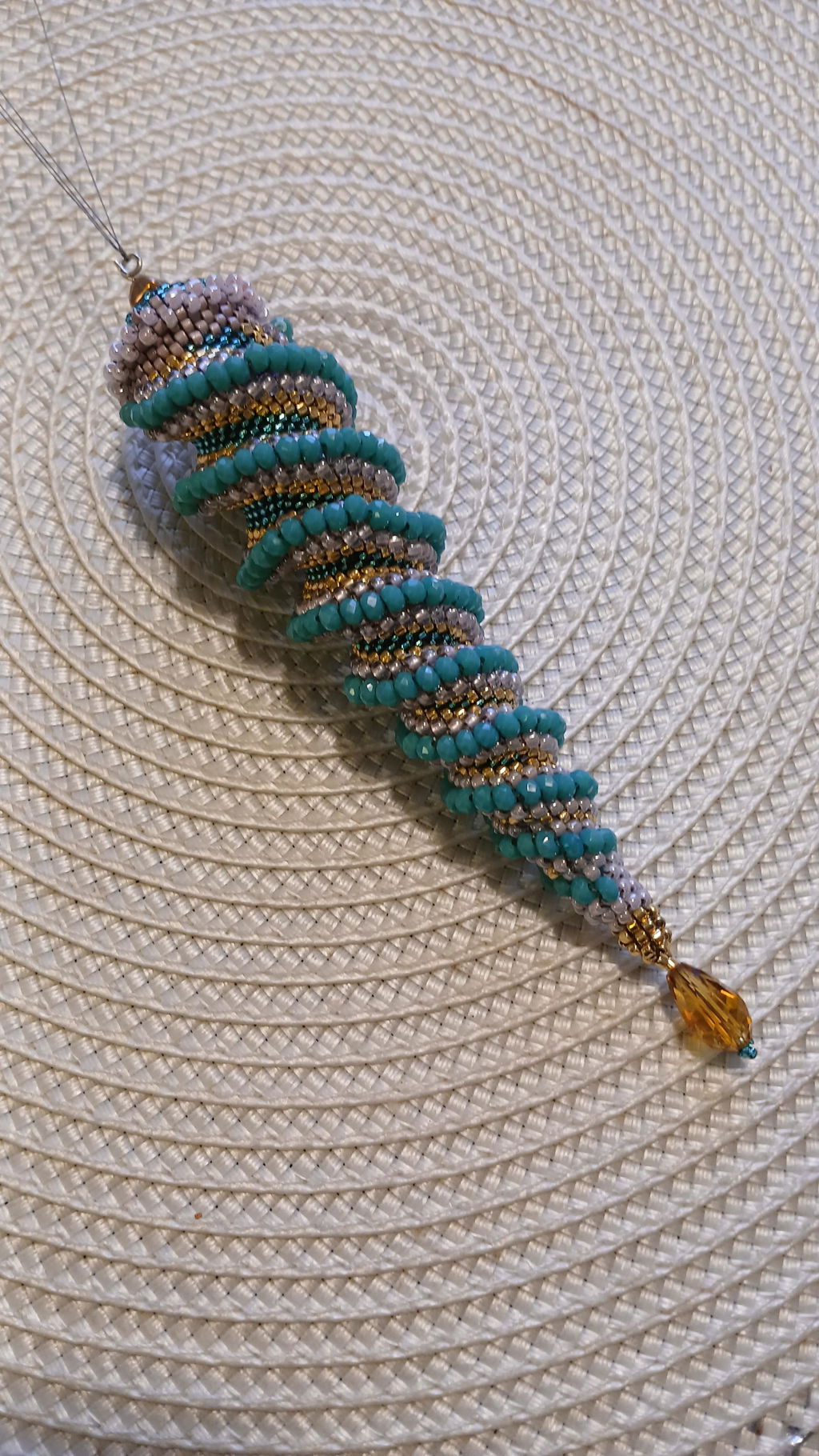
Overview
Color theory is crucial in jewelry making, where colors influence both aesthetics and emotions. By understanding the color wheel, the psychological meaning of colors, and trends, jewelry designers can create more appealing and relevant products. Tips for color selection include defining the target audience, combining materials, and experimenting with color combinations. Consciously using colors can enhance the attractiveness of jewelry and create a strong connection with customers.
In jewelry making, colors are more than just aesthetic choices; they play a crucial role in creating items that truly appeal to and inspire. Whether you work with precious metal jewelry accessories or organic materials, an understanding of color theory will help you develop your creativity and technical skill. In this article, we dive deep into color theory, its significance, and how it can impact your jewelry making.
What is color theory?
Color theory is about how colors interact, combine, and create different impressions. This theory encompasses both the practical use of colors in design and the psychological impact they have on the viewer. For jewelry makers, it is important to understand not only which colors complement each other, but also what emotions and perceptions these colors can create.
The color wheel and its significance
The color wheel is a central tool in color theory. It shows the relationships between different colors and helps jewelry makers choose colors that harmonize with each other. There are three primary colors: red, blue, and yellow. By mixing these colors, secondary colors such as green (blue + yellow), orange (red + yellow), and purple (blue + red) can be created.
An important part of the color wheel is also the different color combinations, which can be classified into the following categories:
- Complementary colors: Colors that are opposite each other on the color wheel, such as red and green. These colors create a strong contrast and can make jewelry accessories more exciting.
- Analogous colors: Colors that are close to each other on the color wheel, for example, blue and green. These colors create a more harmonious and calm impression.
- Triadic colors: Three colors that are evenly spaced around the color wheel, for example, red, yellow, and blue. This combination provides a balance between contrast and harmony.
How colors affect your jewelry accessories
Colors affect more than just the appearance of jewelry accessories; they can also affect their feel. Many consumers make color choices based on names and perceptions of colors, which is crucial for jewelry sales. For example, the color blue can be associated with calm and security, while red can be associated with passion and vibrancy.
The psychology behind colors
Colors carry deep psychological meanings that can influence how people react to your jewelry accessories. Here are some common psychological meanings of colors:
- Red: Energetic, passionate, and attractive.
- Blue: Feeling of calm, professional impression, reliability.
- Green: Nature, growth, balance.
- Yellow: Joy, optimism, creativity.
- Purple: Luxury, mystery, creative power.
When designing jewelry accessories, it's important to consider what feeling you want to convey and what messages the colors send. For example, jewelry in muted tones can create a sense of elegance, while bright colors can give a playful feel.
Color selection in jewelry making
Choosing the right color for your jewelry accessories can seem overwhelming, but here are some tips for navigating the world of color:
1. Define your target audience
Knowing who you are designing for can help you choose colors that appeal to them. What does your target audience prefer? Are there any specific colors that are popular within your niche of jewelry making?
2. Combine with different materials
Colors can vary greatly depending on the material used. Consider how the luster of metals or the clarity of stones can affect the color experience. By combining different materials, you can achieve a dynamic and interesting color palette.
3. Experiment with color combinations
It's important to dare to experiment with different color combinations. Try making sketches or prototypes of your jewelry accessories with different colors. Sometimes unexpected combinations can yield fantastic results!
Creativity in colors
Creativity is key in art and design, and colors can drive your creativity. Excluding certain colors or materials can sometimes lead to more interesting and innovative jewelry accessories. Feel free to draw inspiration from nature, fashion, or art to rediscover your passion for color.
Creating your own palette
Once you have a clear vision of the message your jewelry should convey, it's time to consider creating your own color palette. Having a palette of colors that you can always return to can help make it easier to create cohesive and effective jewelry accessories.
Color trends in jewelry making
Colors not only serve to create style but are often a reflection of broader trends in society and fashion. Stay updated on current color trends to ensure that your jewelry accessories are always relevant and sought after. Each year, and sometimes even each season, different colors can reappear in the fashion world.
Influence of the seasons
Colors can also be influenced by the seasons. Spring and summer often offer brighter and more vibrant colors, while autumn and winter can give jewelry accessories a more subdued and stylish feel. Remember to adjust your color choices depending on the season to better fit the trends.
Overall value of color theory
Understanding color theory in jewelry making provides deeper insights and a broader creative platform. Color options can not only define the style of your jewelry accessories but also influence how your products are perceived by customers. By using colors consciously, you can enhance the feel of your jewelry and increase its attractiveness.
The future of your jewelry accessories
With the right knowledge of color theory, you can create jewelry accessories that truly stand out. Think of it as a collaborative process between art, science, and emotion. Let colors become part of your artwork and use them to communicate with the world around you. Ultimately, the right color can be what elevates your brand and creates a special connection with your customers.
So, start experimenting with colors, design your jewelry accessories with an eye for color choices, and see how creativity remains an indispensable part of your jewelry making.