Overview
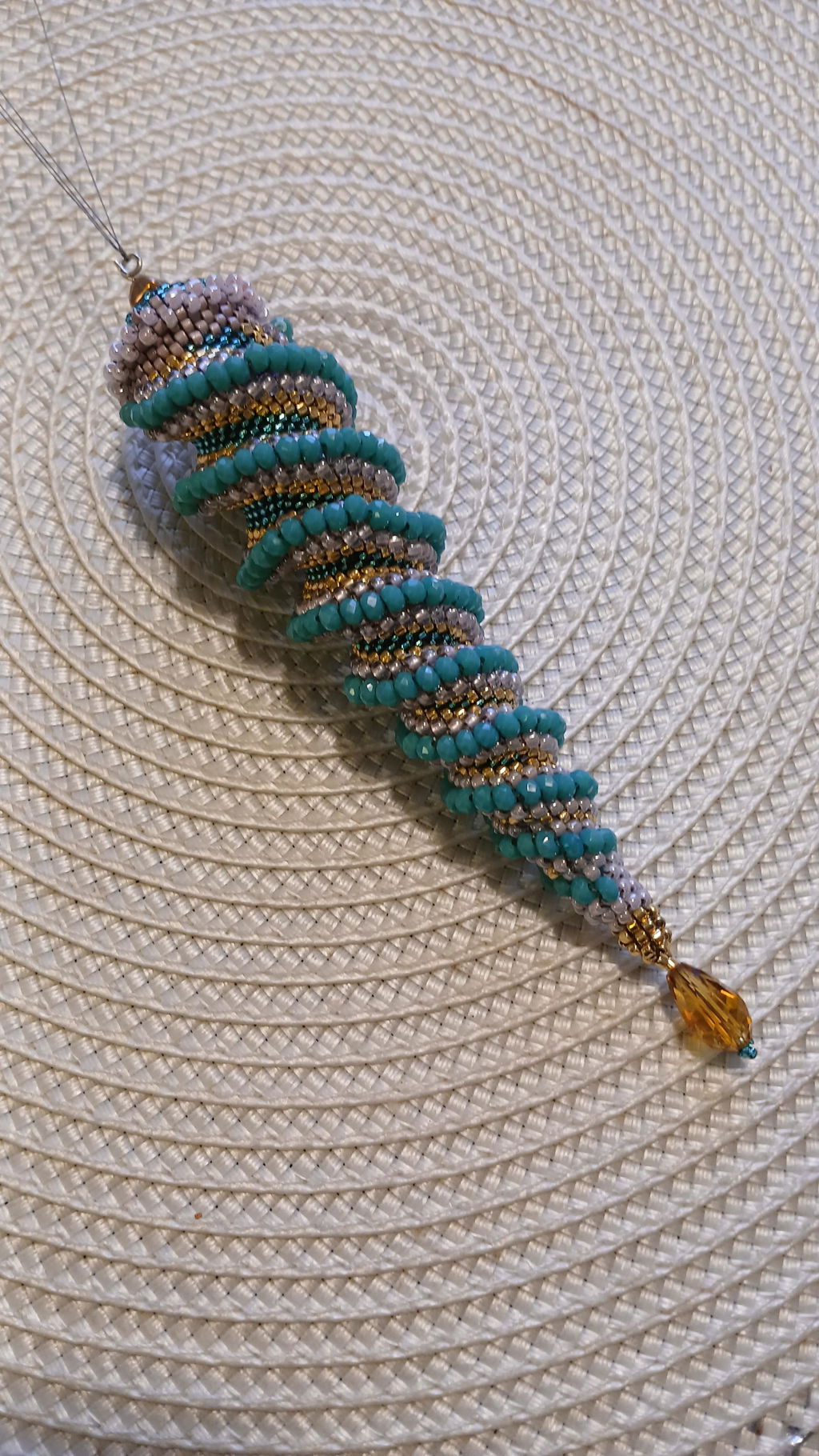
Combine colors and textures in jewelry accessories to express your personality and style. Understand color theory, create balance with color and texture, and be creative with patterns. Consider occasions and trends, and let nature inspire you. Personalize your jewelry and follow your instincts to find your unique style.
Frequently Asked Questions
1. What is the purpose of combining colors and textures in jewelry?
2. How does color theory affect the choice of jewelry accessories?
3. What are examples of materials to mix for interesting textures?
4. What is important to consider for different occasions when choosing jewelry?
5. How can you make your jewelry more personal?
Combining colors and textures can truly elevate your jewelry accessories to a new level. Jewelry is not just adornment, but an extension of your personality and style. Whether you're a fashion enthusiast or simply looking for the perfect piece of jewelry for a special occasion, knowledge of how colors and textures interact can be crucial. Here, we'll go through some basic principles on how to create stunning jewelry combinations that will make an impression.
Understand color theory
Before we dive into the details of combining colors and textures, it's important to understand the basics of color theory. Colors affect our emotions, and knowing the properties of colors can help you choose the right jewelry accessories for the right occasion.
Primary, secondary, and tertiary colors
Primary colors (red, blue, yellow) can be mixed to create secondary colors (green, orange, purple). Tertiary colors are formed by mixing a primary and a secondary color. By understanding these relationships, you can create harmonious combinations.
Complementary colors
Complementary colors are opposite each other on the color wheel. Combining complementary colors, such as blue and orange, can create a strong, visually striking effect. Keep this in mind when choosing jewelry accessories, as it can provide a nice contrast that catches the eye.
Textures: An important component
Texture is not just about visibility, but also about feel. Jewelry with different textures can create an interesting dimension and depth. Mixing smooth surfaces with rough ones, matte with glossy, can create a dynamic effect.
Materials and their properties
When choosing jewelry accessories, consider which materials will complement each other. Here are some examples of popular materials and their properties:
- Metal: Silver and gold are timeless and can give an elegant feel.
- Leather: Provides a rougher, more bohemian feel.
- Stones: Semi-precious stones can add color and character.
- Textile: Ribbons and cords in various textures can liven up the jewelry.
Create balance with color and texture
Creating balance in your jewelry accessories is crucial. A good strategy is to combine a dominant color with a neutral and add accent colors in the texture. For example, a red stone in a silver ring can be combined with a soft leather strap that provides contrast without overwhelming the design.
Color palettes and composition
A consistent color palette makes it easier to choose jewelry accessories that work together. Consider using three to four colors in your jewelry to create a cohesive look. An accompanying color can be used to bring together the different elements that complete your outfit.
Being brave with patterns
Small patterns can add life and personality to your jewelry accessories. Mixing different patterns can seem daunting, but it can lead to fantastic results. For example, if you wear a polka-dot dress, striped earrings can create an exciting contrast.
Pattern combinations
Here are some tips for combining patterns in your jewelry accessories:
- Choose patterns with the same color scheme to create a harmonious look.
- Avoid mixing too many large patterns; stick to one or two strong patterns and combine with neutrals for balance.
- Experiment with different sizes and proportions of patterns to create an interesting and dynamic composition.
Considerations for different occasions
When choosing jewelry accessories, consider the context. Different occasions require different styles and colors. For example, for a wedding, romantic and soft colors as well as elegant textures may work best, while festive occasions may allow for bolder choices.
Formal occasions
For formal occasions, opt for classic colors like black, gold, or silver. Textures like satin and silk can convey a sense of luxury. It's important that your jewelry accessories complement your outfit without drawing too much attention.
Casual occasions
For more casual occasions, you can dare to be more creative. Use bold colors and unique textures to express your personality. This can be an excellent opportunity to mix jewelry accessories of different styles and materials.
Personal style and expression
Combining colors and textures is not just about fashion. It's a way to express your personal style. Consider what makes you unique and how you want to highlight it in your jewelry accessories. Perhaps you have a fondness for bohemian styles, or maybe you prefer a minimalist aesthetic. Regardless of style, there's always a way to combine color and texture that suits you.
Inspired by nature
Nature is a fantastic source of inspiration for color combinations and textures. Look at flowers, landscapes, and animals to find colors and textures that harmonize. For example, the soft pastels of a sunset can give you ideas for color palettes for your jewelry accessories.
Trends in jewelry accessories
Fashion trends can also influence how we choose to combine colors and textures. Keep an eye on current trends to see which colors and materials are popular right now. This can give you ideas and inspiration for your own jewelry collection.
Seasonal inspiration
Each season has its own colors and moods. In spring, bright and vibrant colors may be in focus, while autumn brings different shades of brown, orange, and yellow. Use these seasonal colors when choosing your jewelry accessories to create a fresh and current look.
Being creative
The most important thing when working with colors and textures is to have fun and be creative. Don't let the rules stifle your creativity; if you feel like breaking the norms, do it! Experiment with mixing different colors, textures, and patterns to find your own style.
Make it personal
Adding personal elements can really make a difference. Whether it's including a stone with special meaning or creating jewelry accessories that reflect your interests, it's these small details that make a difference. Don't be afraid to include your own unique touches in the design of your jewelry.
Follow your instincts
The absolute most important thing when creating your style with jewelry accessories is to follow your instincts. If something feels right, go in that direction. Jewelry should be a reflection of you and what you stand for. So let your creativity flow, and don't hesitate to try new things.
Combining colors and textures in jewelry accessories is an art, but it can also be a very fun and rewarding process. By understanding the basics of color theory and texture analysis, you can confidently navigate the world of jewelry design. Don't forget to let your personality shine through and have fun while exploring the endless possibilities! Make every jewelry accessory unique, just like you are!
Discover the creations of a fellow Shopify or Wix store owner. Check out their online store here. Please remember that this is a promotional link, and we are not liable for the content of the linked store.