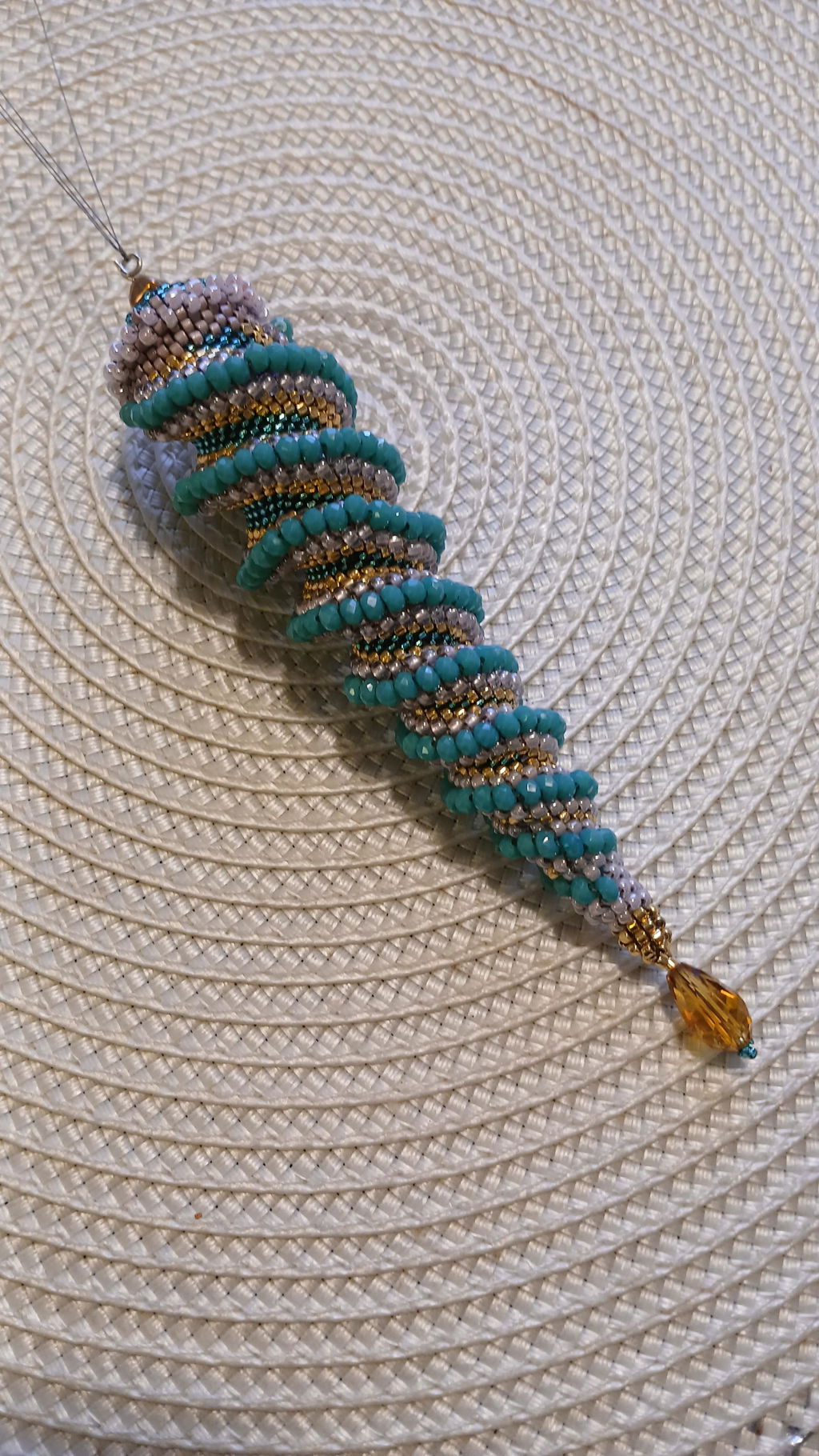
Overview
Color plays a crucial role in jewelry manufacturing, influencing both emotions and consumer behavior. By understanding color psychology, manufacturers can create stronger emotional connections with customers, define brand identity, and adapt to trends. Carefully selecting and combining colors can enhance the attractiveness of jewelry and help manufacturers reach a global market.
Frequently Asked Questions
1. What is color psychology?
2. Which common colors are used in jewelry manufacturing and their significance?
3. How do color choices affect customer purchasing decisions?
4. How can colors be combined in jewelry design?
5. What should be considered when creating a color palette for jewelry accessories?
Color is a powerful component in jewelry manufacturing, influencing how objects are perceived and felt. In this article, we explore color psychology and how it can be applied to jewelry accessories to create unique and memorable products. By understanding the significance of colors, jewelry manufacturers can target specific emotions and messages, fostering a stronger connection between customers and their purchases.
What is Color Psychology?
Color psychology is about how colors affect human behavior and emotions. Different colors convey different feelings and messages, which can be a significant factor when designing jewelry. By consciously using color, jewelry manufacturers can create stronger emotional bonds with their customers and increase the sales of jewelry accessories.
The Significance of Colors in Jewelry Manufacturing
When designing jewelry, it's essential to consider the feeling to be conveyed. Here are some common colors and their psychological meanings:
- Red: Passion, power, and energy. Red is a color that captures attention and can create a sense of romance. It is often associated with love and fervor.
- Blue: Stability, calm, and trust. Blue is a color that instills a sense of security and can exude professionalism, making it perfect for jewelry worn in professional environments.
- Green: Nature, harmony, and balance. Green is associated with growth and life and is a good color to use for eco-themed jewelry.
- Yellow: Joy, creativity, and energy. Yellow is a color that inspires and can fill a space with light and optimism.
- Purple: Luxury, spirituality, and mystery. Purple can add a sense of depth and complexity to jewelry, making it suitable for unique creations.
How Color Choices Affect Customer Decisions
The choice of color can directly impact a customer's decision when purchasing jewelry accessories. Here are some aspects of how colors can affect consumer behavior:
Emotional Connection
Colors create emotional connections that can be crucial for a customer's purchasing decision. If a manufacturer understands the emotions they want their jewelry to convey, they can carefully select colors that reinforce this message. Customers who feel a strong connection to the color are more likely to make the purchase.
Brand Identity
Colors can also play a vital role in defining a brand. Many companies are recognizable through their color choices, which helps create a strong brand identity. Using consistent colors in jewelry accessories can provide a sense of uniformity and reliability.
Trends and Seasonal Colors
Consumer preferences change over time, and color patterns shift according to season and current trends. Staying informed about color trends can give jewelry manufacturers a head start in their design and production. By adapting jewelry accessories to current trends, a broader customer base can be attracted.
Combining Colors in Jewelry Design
Combining colors harmoniously can enhance the overall aesthetic of the jewelry. Here are some tips for combining colors effectively:
The Color Wheel
Use the color wheel as a guide for choosing colors. Primary colors (red, blue, and yellow) can be combined with secondary colors (green, orange, and purple) to create interesting contrasts. Complementary colors, found opposite each other on the color wheel, can also produce strong visual effects.
Monochromatic Palettes
A monochromatic color palette involves using different shades and tones of the same color. This method can create a calm and harmonious feel, which is often attractive to customers.
Neutrals and Accent Colors
Using neutral colors as a base (such as black, white, or gray) can make it easier to incorporate stronger accent colors. This can create a balance between drama and subtlety in jewelry accessories.
Color Psychology and Cultural Differences
It's important to remember that the meaning of colors can vary depending on cultural contexts. What might be a positive color in one culture can be perceived entirely differently in another.
Global Color Symbols
Examples of colors and their global significance:
- Red: In many Asian cultures, red represents luck and prosperity.
- White: In Western cultures, white symbolizes purity, while in some East Asian cultures, it can represent mourning.
- Green: In many cultures, green is considered a symbol of life and nature, but in some contexts, it can also be associated with envy.
Designing for a Global Market
For jewelry manufacturers looking to reach a global audience, it's crucial to be aware of these cultural differences. Adapting color choices and design to the target market can significantly impact how jewelry accessories are received.
Color Psychology in Jewelry Marketing
Not only in the jewelry's design, but also in its marketing, color plays a decisive role. How jewelry accessories are presented can either enhance or diminish their appeal.
Using Colors in Advertising
Colors used in advertising can influence consumers' perception of the product. Here are some key points:
- Red can convey a sense of urgency and encourage action.
- Blue can help build trust and loyalty with customers.
- Green hues can give a sense of sustainability and eco-friendliness.
Colors in Retail Environments
Color choices in stores can also affect customers' shopping experience. For example, warm colors like orange and yellow can increase impulsive purchases, while cooler colors can create a calmer shopping experience. By using color psychology in retail environments, jewelry manufacturers can attract more customers.
Creating Your Color Palette for Jewelry Accessories
Finally, it's important to create a clear color palette that suits your brand's vision and the emotions you want to convey.
Identify Your Style
Define your style and the colors that best represent your brand identity. This may differ depending on whether you focus on boho style, minimalist design, or vintage-inspired jewelry.
Test and Evaluate
Test your color palette on various jewelry accessories to see how they work in practice. It's important to evaluate both how the colors look together and how they are perceived by customers.
Be Consistent
Finally, be consistent in your color choices. By maintaining a strong and uniform color palette, you can strengthen your brand and increase customer recognition.
Stay Up-to-Date with Color Trends
Color trends are constantly changing, and it's essential for jewelry manufacturers to stay updated. By following color trends, you can ensure that your jewelry accessories always feel current and relevant to your customers. Keep an eye out for upcoming trends and don't be afraid to experiment with new colors and combinations.
Exploring color psychology can be a fantastic way to enhance the design of jewelry accessories and create stronger connections between the product and the customer. By using colors strategically and consciously, you can make your brand both memorable and beloved by your customers. So take the step to experiment with colors and see how it can transform your jewelry manufacturing into something truly magical!
Check out another user's Shopify or Wix store by clicking this store link. Note that this is a promotional link, and we assume no liability for the content of the linked store.