Overview
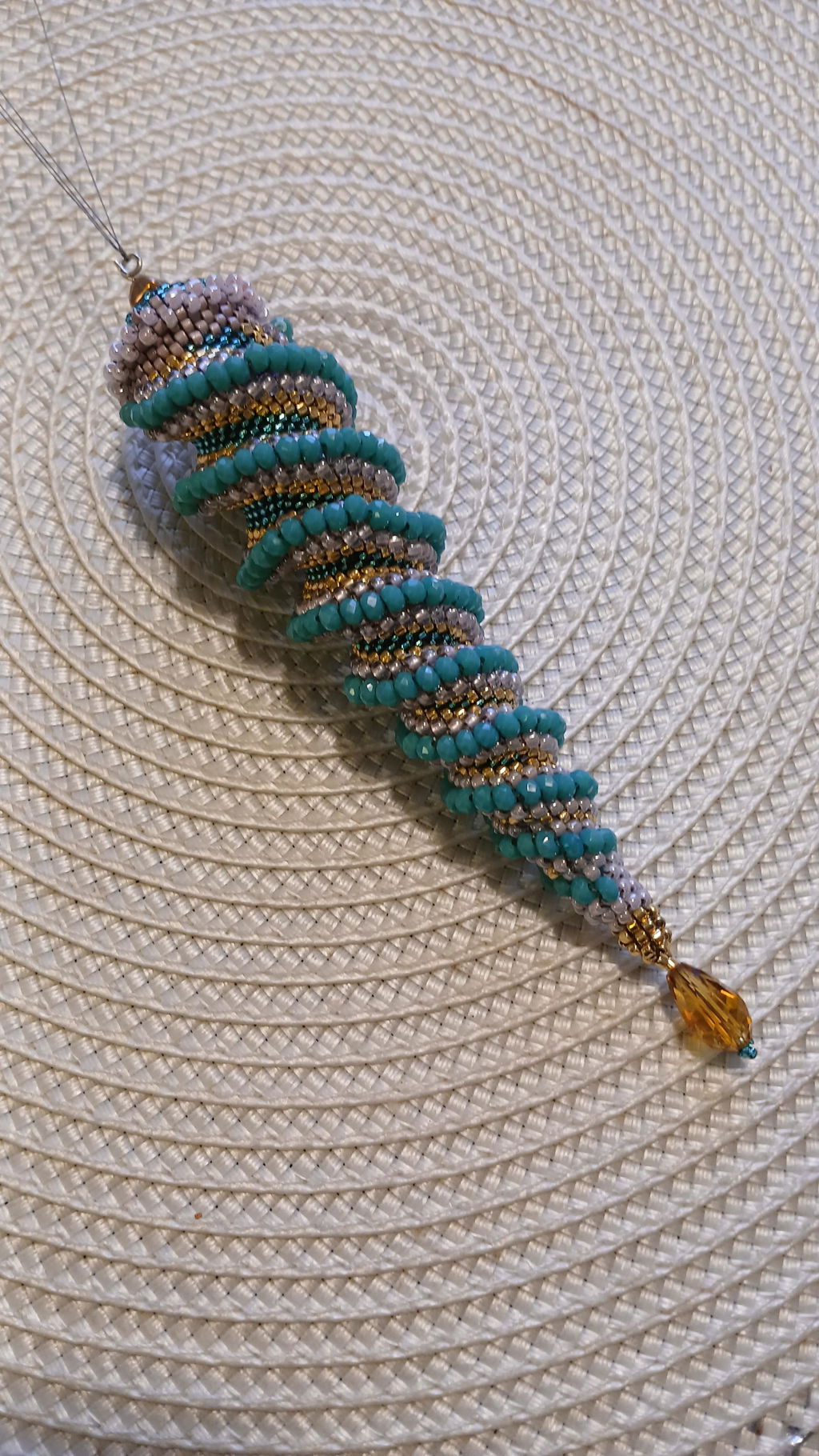
Learn to combine colors and textures to transform ordinary objects into works of art. Explore the basics of color theory, use different textures, and experiment with Miyuki seed beads to create unique projects. Unleash your creativity and find inspiration in various seasonal colors.
Table of Contents
- The Basics of Color Combination
- How Textures Enhance Your Design
- What is Texture?
- Why is Texture Important?
- Inspiration for Combining Colors and Textures
- Try with Miyuki Seed Beads
- Experiment with Colors and Textures
- Tips for Choosing the Right Materials
- Color Schemes by Season
- Unleash Your Creativity
Key Takeaways
- Color Wheel: Understand the basics of color theory, including primary, secondary, and complementary colors.
- Textures: Use various textures such as smooth, rough, and soft surfaces to create depth in your projects.
- Miyuki Seed Beads: Explore endless color and size options with Miyuki seed beads for unique designs.
- Experiment: Create color palettes and combine different materials to see how they interact.
- Seasonal Colors: Adapt your color choices to the seasons to give a fresh feel to your projects.
- Material Choice: Consider durability, feel, and appearance when choosing materials for your creations.
- Creativity: Break the rules and let your inner creator flow to make something unique.
Pros and Cons
| Pros | Cons |
|---|---|
| Creates unique and stylish projects with colors and textures. | Can be time-consuming to experiment with different combinations. |
| Adds depth and interest to the design. | Some materials can be more expensive than others. |
| Provides a tactile experience that is pleasing to the user. | Requires knowledge of color theory to achieve the best results. |
| Flexibility to adapt colors according to the season. | Can be overwhelming to choose the right colors and textures. |
Who it's for (and who it's not for)
Who should choose this?
- Creative souls: If you love to create and explore new art forms, this is perfect for you.
- DIY enthusiasts: If you enjoy working with your hands and creating your own projects, these tips will inspire you.
- Fashion and interior design enthusiasts: For those who want to enhance their fashion accessories or home decor with color and texture.
- Curious about color theory: If you want to understand how colors and textures work together, this information will be valuable.
Who should not choose this?
- Those who prefer simplicity: If you prefer minimalist or monochromatic styles, this might be overwhelming.
- People not interested in crafts: If you are not interested in creating with your hands, these tips might feel irrelevant.
- Those with limited time: If you have a busy lifestyle and cannot dedicate time to creative projects, this might be difficult to implement.
- Those who don't like to experiment: If you are uncomfortable trying new ideas and techniques, this process might feel challenging.
Frequently Asked Questions
1. What are the basics of color combination?
2. How does texture affect design?
3. What projects can I use Miyuki seed beads for?
4. How should I experiment with colors and textures?
5. Which colors best suit different seasons?
Choosing the right colors and textures in your creations can transform ordinary objects into fantastic works of art. Whether you're working on DIY projects, fashion accessories, or home decor, there are endless possibilities to explore. Here, we offer tips and inspiration for combining colors and textures, and provide an in-depth look at how you can use Miyuki seed beads to create unique and stylish projects.
The Basics of Color Combination
Before we dive into more advanced techniques for combining colors and textures, it's important to understand basic color theory. Here are some key factors to consider:
- Color Wheel: Be familiar with the classic color wheel. Primary colors (red, blue, yellow) can be mixed to create secondary colors and so on.
- Complementary Colors: These are colors opposite each other on the color wheel and create strong contrast.
- Monochromatic Colors: This involves using different shades of the same color for a cohesive look.
- Analogous Color Schemes: Use colors next to each other on the color wheel for a harmonious composition.
How Textures Enhance Your Design
What is Texture?
Texture refers to the surface and feel of materials, and it can dramatically change how a color is perceived. Some common textures include:
- Smooth surfaces (e.g., glass or plastic)
- Rough surfaces (e.g., wood or stone)
- Soft textures (e.g., fabric or felt)
- Metallic surfaces (e.g., silver or gold)
Why is Texture Important?
By incorporating different textures into your projects, you can create depth and interest. Some benefits of using texture are:
- It creates a more dynamic appearance.
- It can highlight or subdue colors.
- It draws the viewer's eye to specific areas of the design.
- It provides a tactile experience that is pleasing to the user.
Inspiration for Combining Colors and Textures
Now that you have a basic understanding of colors and textures, let's explore some inspiring ways to combine them in your projects.
Try with Miyuki Seed Beads
Miyuki seed beads are available in an endless array of colors and sizes and can help you create stunning patterns and textures. Here are some ideas for how you can use them in combination with different textures:
| Project | Recommended Colors | Texture Suggestions |
|---|---|---|
| Bracelets | Pastel colors | Soft leather |
| Necklaces | Metallic colors | Silk fabric |
| Bags | Earth tones | Rough canvas |
| Home Decor | Muted shades | Wood and ceramic |
Experiment with Colors and Textures
To truly understand how colors and textures work together, we recommend experimenting. Here are some tips to get you started:
- Create a color palette: Choose four to five colors that you like. Try to include both light and dark shades.
- Combine textures: Select different materials to work with, such as fabrics, wood, metal, and plastic, to see how they interact with your color palette.
- Create smaller projects: Before dedicating time to a larger artwork or accessory, smaller projects can help you practice.
Tips for Choosing the Right Materials
The choice of materials is always a critical part of your design process. Here are some factors to consider when working with Miyuki seed beads:
- Durability: Consider how long you want your project to last. Some materials may be more durable than others.
- Feel: Think about how you want it to feel when worn or used.
- Appearance: Some materials are included to achieve a specific aesthetic. Don't hesitate to mix and match to achieve your dream look!
Color Schemes by Season
Adapting your color choices to the season can give your projects a fresh feel. Let's look at which colors suit different times of the year:
| Season | Suggested Colors |
|---|---|
| Spring | Pastel colors like light green, pink, and lapis blue |
| Summer | Bright yellow, coral, and turquoise |
| Autumn | Earth tones like terracotta, dark green, and mustard yellow |
| Winter | Cool colors like royal blue, gray, and silver |
Unleash Your Creativity
Combining colors and textures is not just a technique – it's a form of art. Let your inner creator flow, and don't be afraid to break the rules. Look at what others are doing, but also dare to do what feels right for you.
By understanding basic color theory, exploring different textures, and using materials like Miyuki seed beads and seedbeads, you can create something truly unique. Your next project awaits, so let the inspiration flow and see what amazing combinations you can achieve!
Glossary
| Term | Meaning |
|---|---|
| Color wheel | A circular representation of colors showing their relationships. |
| Primary colors | The basic colors (red, blue, yellow) that can be mixed to create other colors. |
| Complementary colors | Colors opposite each other on the color wheel that create contrast. |
| Monochromatic colors | Different shades of the same color for a cohesive look. |
| Texture | The surface and feel of materials that affect how colors are perceived. |
| Miyuki seed beads | Small, colorful beads used to create patterns and textures. |
| Analogous color scheme | Colors located next to each other on the color wheel for harmony. |
| Durability | The material's resistance and lifespan in a project. |
| Color palette | A collection of chosen colors for a specific project. |
| Earth tones | Natural, subdued colors often used in interior design. |
Linked product

Miyuki Seed beads - Opaque Picasso Yellow 15/0, 10 gram
Miyuki Seed beads - Opaque Picasso Yellow 15/0, 10 gram are small, round beads that offer excellent opportunities for jewelry design and other creative projects. With a size of 1.5 mm and a unique marbled color type, these beads can be easily combined with other sizes and colors to create detailed patterns. They are perfect for bracelets, necklaces, earrings, as well as embroidered artworks and decorations.
View product