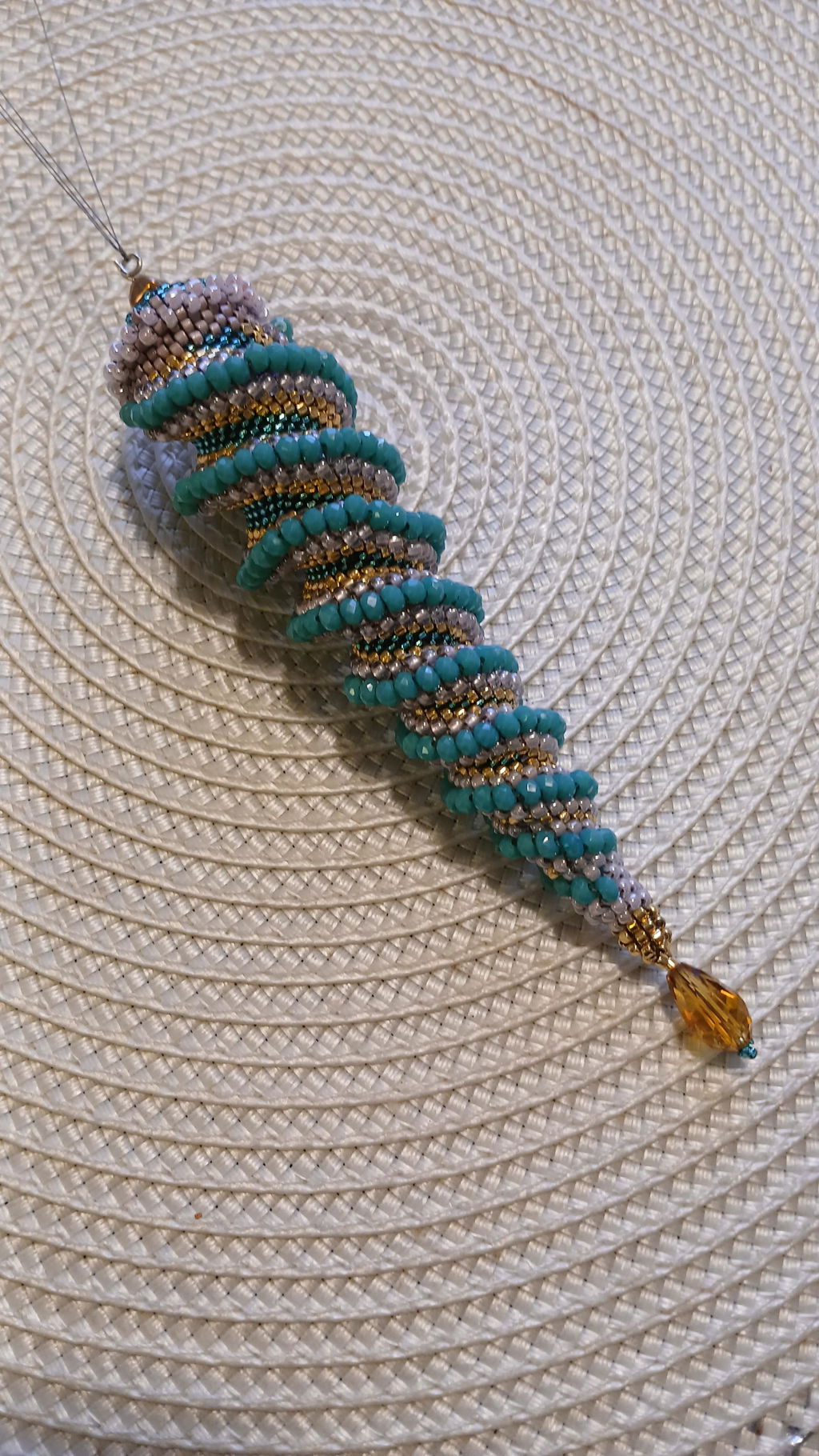
Jewellery has been an indispensable part of human culture for many decades. From simple beads to complex designs, jewellery making has evolved significantly over time. Let's take a look at some of the trends and materials that have shaped this craft during different periods.
1920s: Art Deco and Geometric Shapes

During the 1920s, the Art Deco style gained significant traction. It was characterized by geometric shapes and strong colors, often with elements of enamel and glass stamps. Today, you can recreate the glamorous style with modern materials such as Miyuki Seed Beads - Opaque Glazed Frosted Rainbow Lavender 15/0 which offer a subtle yet powerful color palette.
1950s: Elegant Pearls and Metals

The 1950s focused on elegance with a return to more traditional jewellery such as pearl necklaces and gold-plated jewellery. To emulate this style, you can use Spacer 24K Gold Plated - Mini rondelle 4x1.3mm to create a classic and timeless feel in your creations.
1980s: Large and Bold Jewellery

In the 1980s, "big is beautiful" was a consequence of the trend where jewellery was not just accessories, but statement pieces. Vibrant colors and bold designs were the norm. By using materials such as Kheops® Par Puca® - Pastel Turquoise you can capture the bold essence of this period.
2000s and Present: Personal Expressions

Today, jewellery making is all about personal style and unique combinations of materials. By mixing and matching different elements, such as the Czech Druk (Round) - Saturated Metallic Spring Crocus 3mm, you can create jewellery that truly reflects your personality.
Delving into the history of jewellery making not only gives us an appreciation of changes over time, but also inspiration for our own projects. Start exploring and creating something amazing today with materials from Hilmas Pyssel.
Explore the possibilities of these fantastic materials and let your creativity flow!