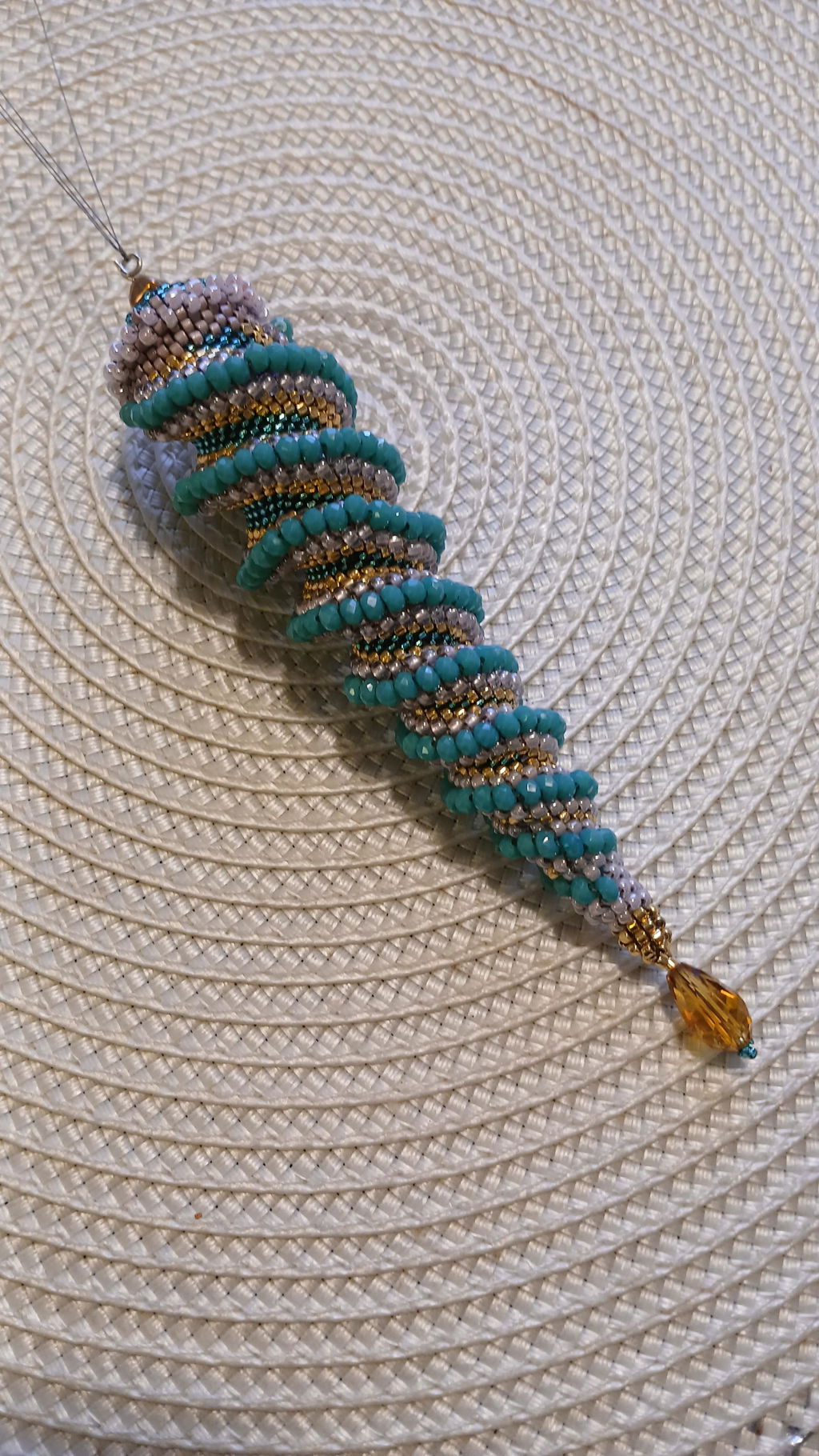
Overview
Learn to design your own jewelry with this step-by-step guide covering inspiration, material selection, design sketches, tool preparation, creation, finishing touches, and how to share your work with others. Express your creativity and develop your style!
Table of Contents
Key Takeaways
- Find inspiration: Explore jewelry magazines, social media, and sketch your ideas.
- Choose the right materials: Use wire, seed beads, and pendants to create unique jewelry.
- Create a design sketch: Draw the jewelry's shape and plan the placement of each component.
- Prepare necessary tools: Have pliers, scissors, thread, and glue available before you start.
- Work methodically: Cut the thread to the correct length and string seed beads according to your design.
- Give the jewelry finishing touches: Clean and check that all parts are securely attached before presentation.
- Share your work: Post pictures on social media or give the jewelry as a gift.
Pros and Cons
| Pros | Cons |
|---|---|
| Creative expression and personal style | Requires time and patience |
| Unique and personalized jewelry | Can be expensive depending on material choices |
| Develops craft skills | Needs accuracy and precision |
| Fun and rewarding activity | Can be frustrating for beginners |
| Opportunity to share with others | Requires access to specific tools |
Who it's for (and who it's not for)
Who it's for
- Creative individuals: If you love expressing your personality through crafting, this is a perfect activity for you.
- Curious beginners: If you are new to jewelry making and want to learn the basics, this guide provides clear guidance.
- Experienced crafters: If you already have experience and want to explore new techniques and materials, you can find inspiration here.
- People seeking a relaxing hobby: Creating jewelry can be an excellent way to unwind and enjoy your time.
Who it's not for
- Those short on time: If you have a busy lifestyle and cannot dedicate time to creating, this might be difficult to undertake.
- People with no interest in crafts: If you are not interested in working with your hands or creating, this may not be right for you.
- Those seeking quick results: Jewelry making requires patience and practice; if you want quick results, this might be frustrating.
- Budget-conscious without flexibility: If you have a strict budget and cannot invest in materials and tools, starting can be a challenge.
Designing your own jewelry is a creative and rewarding process that allows you to express your personality and style. Whether you are a beginner or an experienced crafter, this guide can help you create something beautiful and unique. In this article, we will go through the important steps in designing your first piece of jewelry, as well as some tips on materials and tools you can use. Let's dive in!
Step 1: Inspiration and Idea Development
Before you begin, it's important to have a clear idea of what you want to create. Here are some ways to find inspiration:
- Browse through jewelry magazines and websites
- Visit jewelry stores and markets
- Explore social media, such as Instagram and Pinterest
- Sketch your ideas in a notebook
Step 2: Choose Your Materials
Once you have a basic idea, it's time to choose your materials. Here are some popular options:
| Material | Advantages | Disadvantages |
|---|---|---|
| Metal wire | Durable and malleable | Can be difficult to work with for beginners |
| Seed beads | Available in many colors and sizes | Requires precision when threading |
| Pendants and stones | Creates visual interest | Can be more expensive |
| John James needles | High quality and durability | Needs to be replaced when worn |
You can combine different materials to achieve the desired effect. Don't forget to consider your budget and access to these materials!
Step 3: Create a Design Sketch
Now that you have your ideas and materials, it's time to create a design sketch. Here you can:
- Draw the overall shape of the jewelry.
- Mark where you plan to place each component.
- Note colors and patterns.
- Make adjustments as needed.
A detailed sketch will help you visualize your vision more clearly. This also makes it easier to follow a pattern once you start creating.
Step 4: Prepare Your Tools
Before you start making your jewelry, make sure you have all the necessary tools at hand. Here is a list of the basic tools you may need:
- Jewelry tools, such as pliers and scissors
- Thread and needle, for example John James needles
- Glue to attach parts
- A workspace to easily organize your materials
Step 5: Start Creating!
Now it's time to turn your design into reality. Follow these steps carefully:
- Measure and cut the thread to the correct length.
- Thread seed beads onto the wire as you have planned.
- Use John James needles to ensure you can work with small and thin components effectively.
- To finish, tie a secure knot and make sure all parts are firmly attached.
Take your time and work at your own pace. If something doesn't look right, don't hesitate to make changes to your work.
Step 6: Finishing Touches
Once you have created your jewelry, it is important to give it some final details to ensure it looks professional. Here are some tips:
- Clean the jewelry to remove any glue residue or dirt.
- Check that all parts are securely attached.
- Present the jewelry beautifully, for example by using a jewelry box or a special stand.
Step 7: Share with the World!
Now that your first piece of jewelry is finished, it's time to share it with others! You can:
- Post pictures on social media to showcase your work.
- Create a website or blog to share your jewelry hobby.
- Give the jewelry as a gift to a friend or family member.
Concluding Thoughts
Designing your first piece of jewelry is not only a fun activity, but also a way to express your creativity and style. With the right materials, tools, and a clear plan, you can create something unique that you can be proud of. Remember that practice makes perfect! The more you create, the more you will improve your skills and develop your own style. So get started and let your creativity flow!
Glossary
| Term | Meaning |
|---|---|
| Design sketch | A drawing of the jewelry to visualize ideas. |
| Seed beads | Small beads in various colors and sizes for jewelry making. |
| Tools | Equipment such as pliers and scissors for creating jewelry. |
| Materials | Substances used to make jewelry, such as metal and stones. |
| Inspiration | Ideas and motifs that help create the design. |
| Pendants | Small decorative items attached to jewelry. |
| John James needles | Quality needles used to thread through small components. |
| Finishing Touches | Final details to improve the appearance of the jewelry. |
| Workspace | Surface where you organize and work with your materials. |
| Knot | A technique for securing thread and attaching parts of the jewelry. |
Linked Product

Beading Needles - John James, No. 12, 25-pack
Beading needles from John James, size 12, come in a practical pack of 25, providing plenty of tools for your jewelry projects. These needles are designed for easy use and are suitable for both beginners and experienced jewelers, making them versatile for various types of jewelry such as necklaces, bracelets, and earrings. Their optimal size offers a balance between strength and flexibility, making them suitable for a range of beads and materials.
View product