Overview
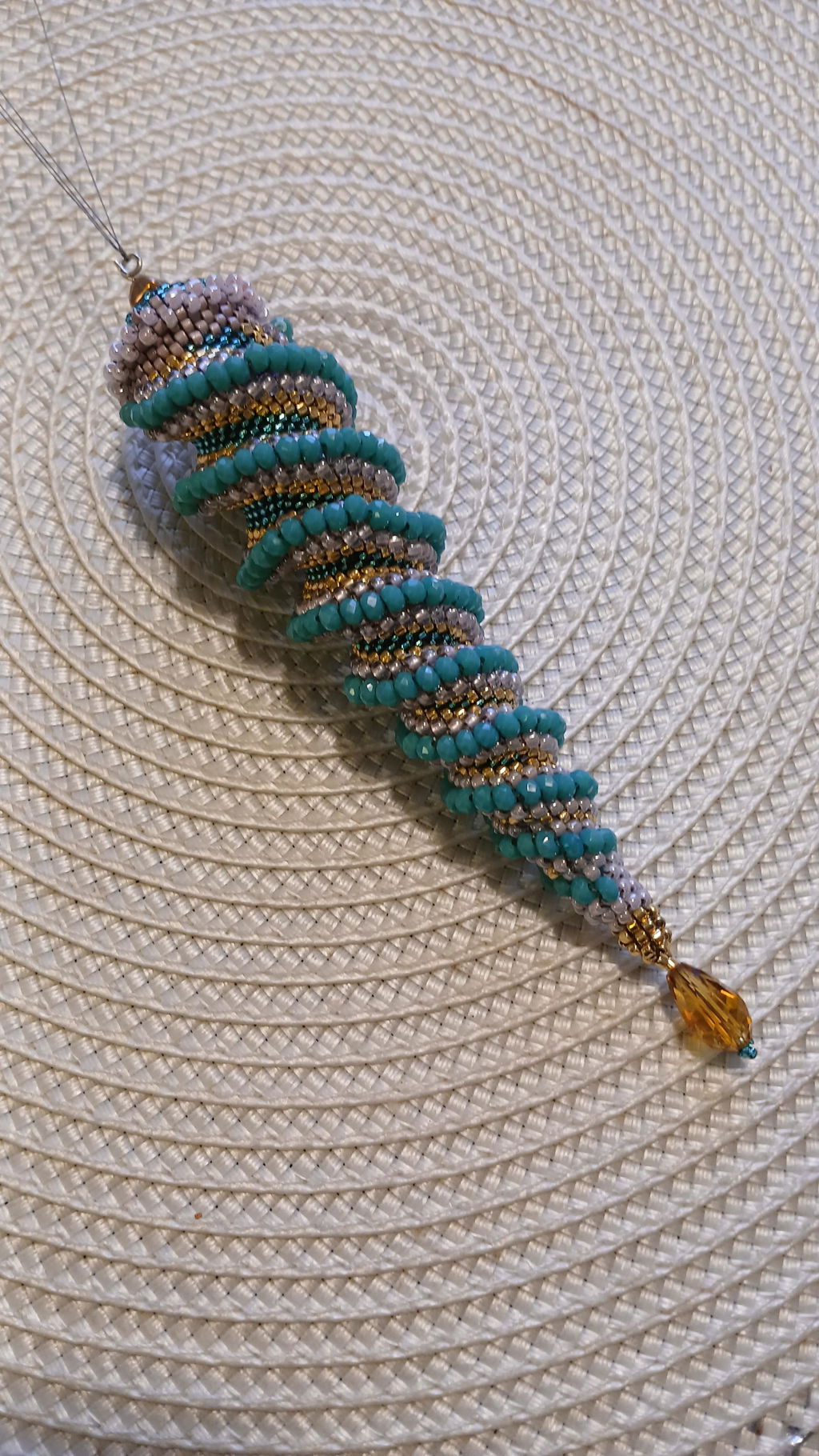
Blending colors and patterns in jewelry design is an art that requires an understanding of color psychology and harmony. This article provides tips on combining different beads, using geometric patterns, and experimenting with textures to create unique jewelry. Inspiration from nature and personal style are emphasized to truly stand out.
Table of Contents
- The Impact of Colors on Jewelry Design
- Primary and Secondary Colors
- Color Psychology
- Mixing Patterns with Colors
- Combining Different Types of Beads
- Geometric Patterns
- Color Harmony and Contrast
- Monochromatic Harmony
- Complementary Harmony
- Techniques for Blending Colors and Patterns
- Inspiration from Nature
- Creating Unique Jewelry
- Concluding Thoughts on Color and Pattern
Key Takeaways
- Color Psychology: Each color conveys different emotions, e.g., red for passion and blue for tranquility.
- Combining Beads: Use different sizes and shapes of beads to create interesting patterns.
- Geometric Patterns: Use triangles and circles to create unique shapes and overlapping patterns.
- Color Harmony: Create cohesive designs with monochromatic harmony or exciting contrast with complementary colors.
- Layering: Layer different patterns and colors to add depth to your jewelry.
- Nature Inspiration: Observe colors and patterns in nature for ideas for your designs.
- Personal Style: Incorporate your own style and break rules to create unique jewelry.
Pros and Cons
| Pros | Cons |
|---|---|
| Creates unique and personal jewelry. | Can be time-consuming to experiment with colors and patterns. |
| Increases visual interest with color combinations. | Risk of clashing colors creating undesirable effects. |
| Colors can evoke emotions and meanings. | Difficult to find the right balance between different patterns. |
| Geometric patterns can add depth and structure. | Requires knowledge of color harmony for best results. |
| Inspired by nature to create beautiful designs. | Can be overwhelming with too many options. |
Who it's for (and who it's not for)
Who should choose this?
- Curious designers: If you're interested in exploring colors and patterns in jewelry design, this is a fantastic opportunity for you.
- Experienced artisans: If you already have experience in jewelry design and want to deepen your knowledge of color harmony and patterns, you'll find valuable insights here.
- Creative souls: If you love to experiment and create unique jewelry, this article is perfect for inspiring your creativity.
Who should not choose this?
- Those looking for quick fixes: If you're looking for a quick and easy method for jewelry design without having to think about colors and patterns, this might not be for you.
- Traditional designers: If you prefer to stick to classic and proven methods without experimenting with colors, this article might feel superfluous.
- Those without an interest in color psychology: If you're not interested in how colors affect emotions and design, you might not appreciate the content.
Frequently Asked Questions
1. What is important to consider when mixing colors in jewelry design?
2. How can I combine patterns and colors effectively?
3. What is color harmony and why is it important?
4. What techniques can I use to blend colors and patterns?
5. How can I find inspiration for my jewelry design?
Blending colors and patterns in jewelry design is an art form that has fascinated artisans for generations. Whether you are a beginner or an experienced designer, understanding how different colors and patterns work together is crucial for creating unique and appealing jewelry. In this article, we will explore techniques and tips for effectively using beads for jewelry and seed beads in your designs.
The Impact of Colors on Jewelry Design
Colors play a central role in all forms of design, and jewelry design is no exception. Each color conveys different emotions and meanings, making it important to choose the right shades for your jewelry.
Primary and Secondary Colors
To understand how to blend colors effectively, we should start with the color wheel. Here are the primary and secondary colors:
| Primary Colors | Secondary Colors |
|---|---|
| Red | Green |
| Blue | Orange |
| Yellow | Purple |
Color Psychology
Colors can evoke different emotions. Here are some examples:
- Red: Intensity and passion
- Blue: Calm and reliable feelings
- Green: Nature and freshness
- Yellow: Joy and optimism
- Black: Elegance and power
By considering color psychology, you can create jewelry that truly resonates with your target audience.
Mixing Patterns with Colors
Patterns can add depth and texture to your jewelry. Here are some ways to effectively combine colors and patterns.
Combining Different Types of Beads
When creating jewelry with beads for jewelry and seed beads, you can experiment with different sizes and shapes to create interesting patterns. Here are some tips:
- Use different sizes of beads for more dynamism.
- Create contrast between glossy and matte surfaces.
- Vary the colors to create visual interest.
Geometric Patterns
Geometric patterns can be a fantastic way to blend colors. Here are some ways to use geometric shapes in your designs:
- Create grid patterns with different colors of seed beads.
- Use triangles or circles to form unique shapes.
- Experiment with overlapping patterns for a more complex look.
Using geometric patterns often goes hand in hand with choosing colors that complement each other.
Color Harmony and Contrast
One of the most important concepts in jewelry design is color harmony. This is about creating coordination between the colors you choose to create visual unity. Here are some types of color harmony:
Monochromatic Harmony
Here you use different shades of the same color. This can create a harmonious and calm feeling in the jewelry. For example, a design with different shades of blue can feel cohesive and elegant.
Complementary Harmony
Complementary colors are on opposite sides of the color wheel and can create an exciting contrast. You can always combine beads for jewelry in colors such as red and green to draw attention.
Techniques for Blending Colors and Patterns
There are several techniques you can use to blend colors and patterns in your jewelry. Here are some ideas:
- Layering: Layer different patterns and colors for depth and interest.
- Texture: Create an interesting texture by mixing different materials.
- Color Blocking: Use color blocking to create clear, defined sections of color.
Inspiration from Nature
Many designers find inspiration in nature. Observing colors and patterns in flowers, animals, and landscapes can provide fantastic ideas for jewelry design. Here are some ways to use nature as inspiration:
- Observe color combinations in flowers and leaves.
- Look at patterns in animal fur or feathers.
- Study the patterns and colors of landscapes in different seasons.
Creating Unique Jewelry
To truly stand out and create memorable jewelry, be sure to integrate your personal style after experimenting with colors and patterns. Here are some tips for creating unique jewelry:
- Incorporate cultural elements that inspire you.
- Don't be afraid to break the "rules" of color and pattern!
- Consider functionality - bright colors can work well in some jewelry, while pastel colors might suit other situations.
Concluding Thoughts on Color and Pattern
Mixing colors and patterns in jewelry design is a creative process that requires patience and experimentation. By using beads for jewelry and seedbeads along with various textures and techniques, you can create unique and beautiful jewelry that reflects your style. Take your time to play with different combinations and discover the fantastic world of color and form in jewelry design. Good luck with your creation!
Glossary
| Term | Meaning |
|---|---|
| Primary colors | The basic colors: red, blue, and yellow. |
| Secondary colors | Colors created by mixing primary colors: green, orange, and purple. |
| Color psychology | The study of how colors affect emotions and behaviors. |
| Geometric patterns | Patterns that use shapes such as triangles and circles. |
| Color harmony | The coordination of colors to create visual unity. |
| Monochromatic harmony | Variations of a single color for a harmonious feel. |
| Complementary harmony | Colors on opposite sides of the color wheel. |
| Layering | Adding multiple layers of colors and patterns for depth. |
| Color blocking | The use of large colored sections for visual impact. |
| Inspiration from nature | Drawing ideas from colors and patterns in nature. |
Linked product

Czech Waxed Glass Beads - Polychrome Copper Ombre 4mm 1 Strand
Czech Waxed Glass Beads - Polychrome Copper Ombre 4mm 1 strand are perfect for jewelry design with their unique color and versatile use. Each strand contains 120 beads with a diameter of 4 mm, making them suitable for bracelets, necklaces, and earrings. Their waxed surface provides extra shine and protection, contributing to durable and elegant creations.
View product