


Memory Wire – The Smart Choice for Unique Jewelry
Are you looking for an easy way to create stylish, durable jewelry that keeps its shape? Memory wire has become a firm favorite among both beginners and experienced jewelry makers, thanks to its unique ability to retain its spiral shape and its durable material. Whether you're looking to make a quick bracelet, an elegant necklace, or a personalized ring, memory wire offers endless creative possibilities suitable for all skill levels.
In this article, you'll discover why memory wire tops the charts in DIY and crafting. We'll guide you through the material's properties, provide practical tips for safe and smooth work, and show inspiring design ideas and solutions to common problems. Whether you're looking for inspiration or answers to common questions, you'll find valuable insights and advice to get started with your own unique jewelry projects!
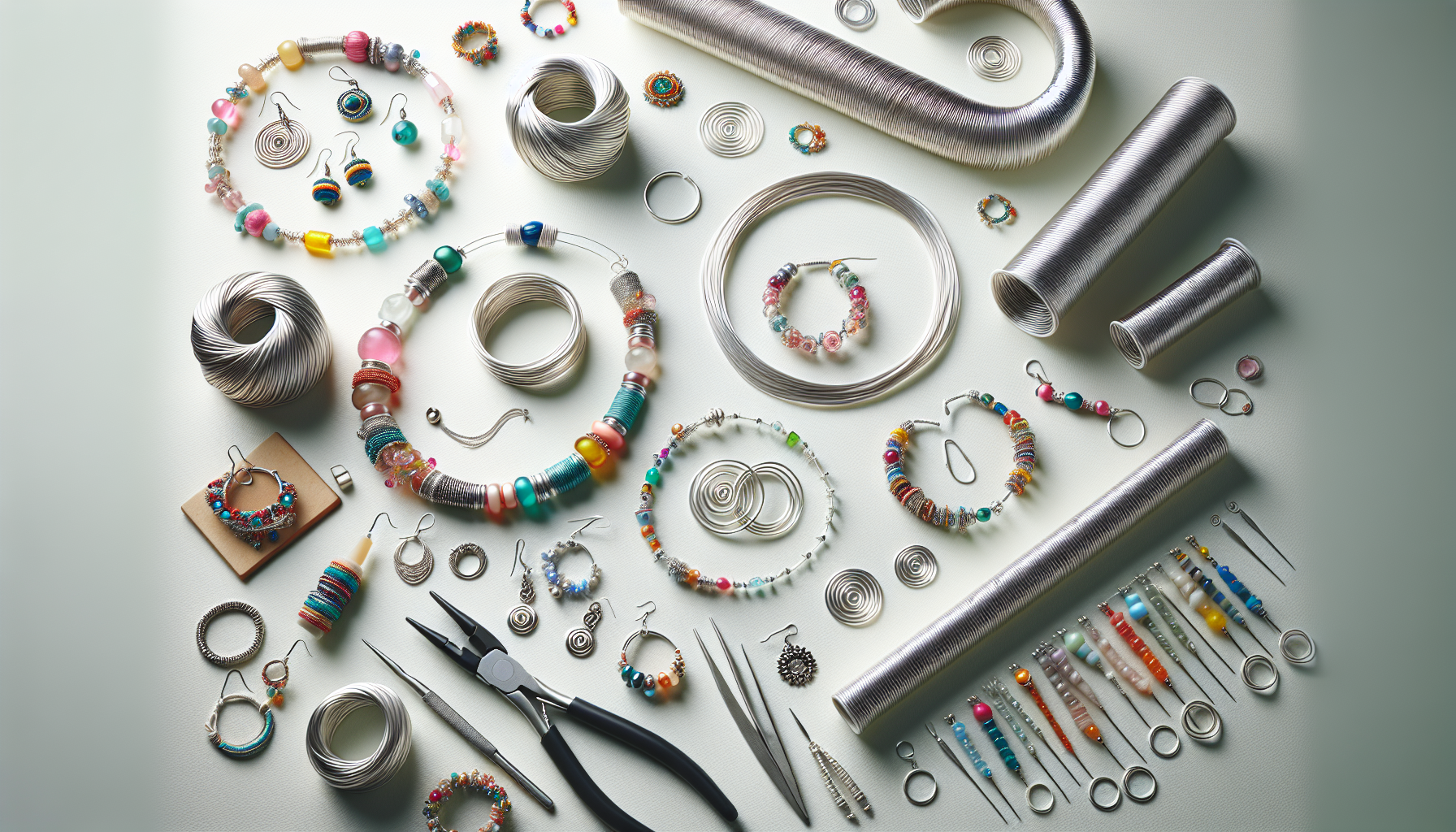
Memory wire has become one of the most appreciated materials in jewelry making – both among beginners and professional designers. But what exactly is memory wire and what distinguishes it from other types of jewelry wire and steel wire? To understand why so many creators choose memory wire for their projects, it's important to take a closer look at its unique properties and material.
Material and Function
- Memory wire consists of stainless steel or so-called memory wire, and is designed to maintain its original shape even after bending or exposure to stress.
- The wire is hard and resistant, which means it "remembers" its spiral shape – hence the name "memory wire."
- Unlike ordinary jewelry wire, which is often soft and pliable, memory wire is significantly stiffer and can carry beads and decorations without losing its shape over time.
-
No clasps or advanced finishes are needed for most bracelets or necklaces – the wire automatically springs back to the wrist or neck, facilitating both making and wearing.
My experience shows that memory wire is particularly well-suited when you want to create bracelets, rings, or necklaces that need a firm and flexible fit. It is thanks to its dimensionally stable construction that memory wire has quickly taken a natural place in DIY and crafting – you can easily create jewelry that maintains its elegant curve even after many uses.
Why has Memory Wire become so popular?
The success behind memory wire is based on flexibility, durability, and user-friendliness. For those who love to create jewelry, it's a time-saver to avoid the challenge of crimped clasps and scratchy tools. With memory wire, both children and adults can achieve beautiful, professional results in just a few minutes – without compromising on durability or aesthetics. Whether you're crafting at home or running a small jewelry business, memory wire is an indispensable tool for creating personalized, unique jewelry with a long lifespan.
Advantages of Working with Memory Wire
Choosing the right material is crucial for successful jewelry, and memory wire offers several unique advantages rarely matched by traditional jewelry wires. Precisely because of its dimensional stability and ease of use, memory wire has become an obvious choice for both beginners and experienced jewelry makers. Whether you want to create a stylish bracelet in just a few minutes or are looking for a stable base for a more advanced necklace, memory wire provides both durability and flexibility for a variety of projects.
Why is memory wire so popular?
- Durability and Strength: Memory wire always retains its original shape. Even after repeated uses, it does not lose its round curvature, making it perfect for use in bracelets and necklaces that need to hold their shape day after day.
- Easy to Work With: Unlike many other types of jewelry wire, memory wire requires no special skills or expensive tools. For simple projects like wrap bracelets and multi-strand jewelry, only heavy-duty side cutters and a few beads are needed.
- Suitable for All Ages and Levels: Memory wire is one of the few materials suitable for both children (with supervision) and adults, as it's easy to thread beads and transform an idea into a finished piece of jewelry in a short time.
-
Quick Jewelry with Long Lifespan: DIY enthusiasts love how quickly beautiful, durable jewelry can be created without the risk of losing its shape. A memory wire bracelet stays beautiful despite daily use and can withstand being put on and taken off repeatedly.
These advantages make memory wire an attractive choice even for those who have previously struggled with loose or easily bent jewelry wire. A simple memory wire necklace or bracelet is not only durable, but also requires minimal maintenance and retains its perfect fit over time.
Examples of Smart Everyday Use
If you want to quickly create personalized gifts or simply enjoy jewelry making without hassle, memory wire is an optimal material. Users often suggest combining different glass beads, charms, and pendants to create unique expressions without compromising on durability. Regardless of your experience level, you can take advantage of all the benefits of memory wire and take your jewelry making to the next level.
How to Use Memory Wire – Basic Tips
Getting started with memory wire is easy, but there are several important things to know for the best results – whether you're a beginner or an experienced jewelry maker. Accuracy in measuring, correct cutting technique, and choice of tools make a difference to the durability and appearance of the result. Here you'll find practical tips and instructions that will help you avoid common mistakes, while also discovering how smooth it is to create with memory wire.
Step-by-step: How to Measure and Cut Memory Wire
- Measure the length carefully: Determine how many turns or coils you want for, for example, a bracelet or necklace. Memory wire often comes in a spiral shape, so estimate the correct number of turns directly on your wrist or neck.
- Use the right tools: Regular jewelry cutters are not enough – memory wire is significantly harder. Use a special memory wire cutter to avoid damaging ordinary tools.
- Safety first: Cut slowly and hold the end of the wire steadily, reducing the risk of the wire springing back and causing injury.
-
Example – simple memory wire bracelet: Measure out one to two turns around your wrist, cut, and then place beads or small decorations on the wire. Finish by bending the ends into small loops with round-nose pliers to hold the beads in place.
By following the steps above, the work process becomes both easier and safer. A tip many miss is to always keep the end of the wire pointed away from your face when cutting. This little extra safety precaution contributes to a more pleasant crafting session and more beautiful results.
Avoid Pitfalls – More Advice for Smooth Work
In summary, it's the small details in the technique that determine how durable and beautiful your finished piece of jewelry will be. Take your time to measure, use appropriate tools, and ensure the beads are securely locked with properly bent loops at the wire ends. These basic tips lay the foundation for both simplicity and creativity in upcoming memory wire projects, whether you're making bracelets for yourself or gifts for friends.
Creative Projects and Design Ideas with Memory Wire
Memory wire opens up a world of creative possibilities for those who love to design their own jewelry. In addition to its classic use for bracelets, memory wire is also a favorite among many who create necklaces, rings, and even elegant earrings. Its flexibility and dimensional stability make it easy to explore new expressions and combinations, as the wire maintains its chosen spiral without needing adjustment.
Create Personalized Jewelry with Variation
With memory wire, you can let your imagination run wild. Here are some inspiring ideas to get started:
-
Multi-wrap bracelets: String beads of various colors, sizes, and materials. For a striking result, use glass beads, semi-precious stones, or wood to create depth and texture.
-
Necklaces with creative elements: Create necklaces by using longer pieces of memory wire. Complement with charms, pendants, or chains for a unique design.
-
Ring jewelry and mini rings: Cut small pieces and make simple rings or earrings, perfect for matching your bracelets and necklaces.
-
Combine materials: Try mixing beads with fabric scraps, leather cords, or pieces of recycled jewelry for extra personality.
It's quick to vary styles and color themes, making memory wire a perfect choice for both gift and sales projects. A tip is to plan a "collection" that matches in color scheme and form for a cohesive feel.
Add Your Own Touch with Finishes and Clasps
To make your design truly unique, it's wise to spend a little extra time on the finishes. You can create loops at the ends with round-nose pliers to attach charms or clasps. For simpler designs, you can use special memory wire ends that prevent beads from sliding off the wire. If you want to give the jewelry a more luxurious feel, combine memory wire with small metal beads or bead caps as finishes.
By experimenting with both technique and material, you'll soon find your own style and can create trendy, personalized jewelry that truly stands out. Working playfully and daring to try new combinations is the key to success with memory wire – both as a hobbyist and a professional.
Common Problems and How to Solve Them
Even though memory wire is known for its durability and user-friendliness, challenges can still arise during jewelry making. By understanding the most common problems and adopting proven solutions, you can avoid frustration and extend the lifespan of your jewelry. Many hobbyists and experienced designers encounter questions about the wire's shape, finishes, and strength – topics often discussed in both forums and guides.
Shape Problems and Wire Breakage
When memory wire loses its shape or breaks, it's often due to a few recurring reasons:
- Over-bending: If you try to adjust the shape too much with your hands, the wire can lose its elasticity or even crack. Use appropriate tools and avoid rough handling.
- Wrong tools for cutting: Regular jewelry pliers are too weak – always use strong cutters specific to memory wire.
-
Too thin material: Choosing the right thickness of wire is crucial for both strength and appearance. Thinner variants are best for rings, while thicker ones are more suitable for bracelets and necklaces.
A practical tip is to always leave a little extra length when cutting your memory wire, so you have margin to adjust the ends without risking wire breakage.
Finishes and Decorations that Come Loose
Another common problem is that beads, ends, or charms risk slipping off or becoming crooked over time:
- Closed loops: ALWAYS finish with a tight loop at the end of the wire so that decorations are held in place.
- Special glue: Use glue suitable for metal if you are mounting bead stoppers or charms without a loop.
-
Clasps and clips: Opt for clasps, bead stoppers, or end pieces that are designed for memory wire – these can often be purchased as ready-made kits.
For extra durability, you can reinforce the loops or finish with an extra wrap of wire, which minimizes the risk of anything coming loose when the jewelry is worn.
Avoid and Rectify Beginner's Mistakes
Finally, you should always inspect your jewelry before you start wearing it, especially regarding finishes, bent sections, and decorations. By preventing problems during manufacturing, you save both time and frustration. Should something still go wrong, it's easy to adjust or repair – often it's enough to replace a few beads or adjust the loop. With these solutions, memory wire becomes a reliable material for creative projects, regardless of experience level.
Where to Buy Memory Wire and What to Consider?
Knowing where to buy high-quality memory wire and what to look for is crucial for both beginners and experienced jewelry makers. In the Swedish market, the selection has increased significantly, with more and more retailers offering different varieties of memory wire – both online and in physical hobby stores. Whether you want to shop locally or are looking for special varieties online, it's important to know what properties distinguish the best memory wire from cheaper alternatives.
Tips for Finding the Right Retailer and Memory Wire
- Recommended stores in Sweden: Several large chains like Hilmas Pyssel offer memory wire for jewelry. Smaller online bead stores, such as Hilmaspyssel.se, often have a wider assortment and sometimes more exclusive qualities.
- Quality, thickness, and length: Choose memory wire that is stainless and strong enough to hold its shape even after repeated uses. The thickness usually varies between 0.5 to 1 mm depending on the type of jewelry – thinner for rings, thicker for bracelets and necklaces. The length determines how many turns or pieces of jewelry you can create.
- Price comparisons and deals: Prices vary, but you can often find package deals or larger packs at a better price online compared to physical stores. Look out for starter kits that include both memory wire and basic tools to get started quickly.
-
Practical example: If you are a beginner, starter kits from well-known stores are recommended, where both instructions and materials are included for several projects.
Carefully comparing both price and quality gives you the best conditions for successful jewelry projects. By reading reviews from other jewelry makers and asking for tips in forums or social media, you can more easily find the material that suits your ideas.
Final Tips for Choosing the Right Memory Wire
In summary, it's worth choosing a high-quality memory wire, adapted for the project you want to create. Remember that the right dimension and material make a difference, both for the result and the durability of your jewelry. Feel free to look for starter kits if you are new to the field, and don't hesitate to ask for advice at the store or from experienced jewelry makers. With the right basic material, you have the freedom to experiment and develop your personal style – whether you shop in-store or online.
Frequently Asked Questions and Answers
Q: What is the most important thing to consider when working with memory wire?
A: The absolute most important thing is to use the right tools, especially strong wire cutters designed for steel, as memory wire is much harder than ordinary jewelry metals. Cutting the wire with the wrong tools can damage both the tools and your projects. Remember to always be careful during handling to avoid cuts and pinches, as the wire's springiness can be surprising.
Q: Why has memory wire become so popular among both beginners and experienced jewelry makers?
A: The popularity is based on memory wire's unique ability to hold its shape without the need for clasps or special techniques. This means that everyone – from children to professionals – can easily create durable and stylish jewelry in a short time. In addition, memory wire is compatible with many different decorations and materials, making it easy to create personalized and trendy accessories.
Q: What are the most common mistakes when using memory wire, and how can they be avoided?
A: A common mistake is trying to bend or twist memory wire like ordinary jewelry wire, which can result in the wire losing its shape or breaking. It's also easy to underestimate the need for strong tools. To avoid these mistakes, always follow the cutting instructions, use special pliers, and properly finish the ends with end components to prevent beads from slipping off.
Q: Which accessories and tools are recommended for the best results with memory wire?
A: In addition to special memory wire cutters, round-nose pliers are recommended for making neat loops at the wire ends, as well as bead stoppers and glue for extra security. For decoration, you can use glass beads, stone beads, charms, and small pendants for unique effects. A starter kit with basic tools is very helpful, especially for beginners.
Q: How do you get started with memory wire if you've never tried it before?
A: Start by buying a memory wire starter kit and choose some favorite beads. Measure out the desired number of wraps for a bracelet and cut the wire with strong cutters. Attach a loop at one end, string beads, and finish with a loop or bead stopper. Feel free to follow a simple step-by-step guide for your first attempt – this will give you a quick feel for the material and inspiration to try more!
Q: What types of jewelry can you easily make with memory wire?
A: The most popular are bracelets and spiral bracelets, but necklaces, rings, and even small earrings are also possible. Thanks to the wire's shape memory, neither knots nor advanced finishes are needed, which speeds up the process and reduces the risk of errors.
Q: Is it possible to find good quality memory wire in Swedish stores, and what should you consider when buying?
A: Yes, many well-stocked hobby stores and online stores in Sweden offer several different types of memory wire. Look for the wire's thickness (adapted to the type of jewelry) and length on the packaging. Feel free to read reviews and choose established brands for the best quality. Also check if the shopping cart contains recommended tools if you are a beginner.
Take your jewelry making to the next level with memory wire
Memory wire has proven to be an invaluable tool for both beginners and experienced jewelry makers. By combining durability, ease of use, and great creative freedom, memory wire offers the ability to create personalized bracelets, necklaces, and other jewelry that retains its shape year after year. This article has guided you through the material's unique properties, advantages, practical tips, and inspiring project ideas, as well as how to solve common challenges and find the right products in Swedish stores.
Now it's your turn to try memory wire in your next DIY project! Whether you want to give a handmade piece of jewelry as a gift or create something unique for yourself, there are endless design possibilities. Explore more guides and tips via our recommended resources and feel free to share your questions or your own experiences in the comments section. Together, we inspire each other to even more creative jewelry solutions!