


Settings for Jewelry Making – Your complete guide to choices and inspiration
Creating your own jewelry is about more than beautiful stones – it's the settings that give each piece its unique character and durability. Whether you're looking for the perfect accessories online, like Hilmas Pyssel, or want to know more about gemstone settings and which materials can actually withstand everyday use, the right choice of setting is crucial for the result.
In this guide, you'll get an in-depth look at everything from materials and techniques to buying guides and tips for personal design. We address common questions about price, durability, delivery terms, and how to best combine style with function. Let us inspire you to take your jewelry making to the next level and find precisely the settings that elevate your jewelry!
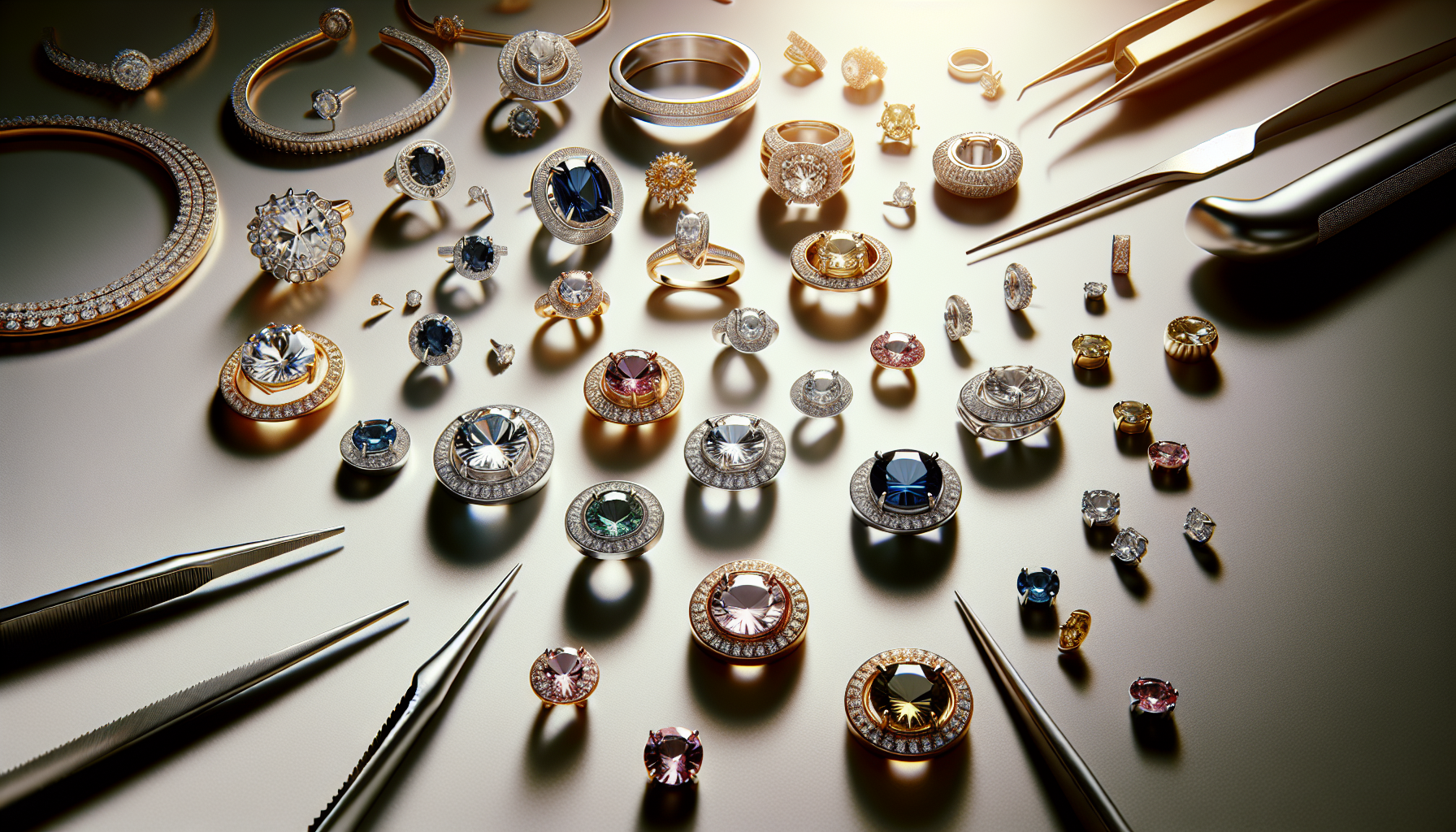
Settings are a fundamental component in jewelry making and play a crucial role in both function and aesthetics. When you see a beautiful piece of jewelry, it's often the setting that holds the gemstone in place and gives the jewelry its unique character. A well-chosen setting also protects the stone while highlighting its color and shape. Whether you're creating a necklace, bracelet, or a pair of earrings, the setting is central to the final result and durability.
Different types of settings
There are several different types of settings, each with its distinct strengths and uses:
- Gemstone settings: The most classic variant used when you want to mount diamonds, sapphires, and other gemstones in rings and pendants. This includes, for example, prong settings and bead settings.
- Metal settings: These include settings where decorative metals in various shapes surround or highlight stones and beads, creating visually exciting effects.
-
Pearl settings: Specially designed to hold pearls securely but discreetly in place, often with an invisible setting that allows the pearl to take center stage.
In everyday life, settings are often used in wedding rings, statement jewelry, and elegant earrings. New trends in jewelry design have also led to more experimental setting styles, where, for example, several small stones are grouped in a pavé or where the setting itself becomes part of the design – not just a support for the stone.
The role of settings in design and function
A thoughtful setting does more than just hold a stone – it enhances the entire expression of the jewelry. At the same time, the choice of setting also entails a responsibility: the right technique protects valuable materials from wear and loss. Many manufacturers also offer the option to replace old settings to either give new life to older jewelry or adapt the design to personal taste. By choosing the right setting, you can create personal, durable, and timeless jewelry that truly suits your style and story.
Material choices for settings – advantages, durability & style
The material you choose for jewelry settings plays a crucial role in the jewelry's appearance, durability, and personal character. Whether you shop at well-known stores like Hilmas Pyssel, where you can benefit from smooth delivery terms and competitive prices, it's important to understand which materials are best suited for your specific purpose. By making conscious material choices, you can create personal jewelry that both lasts over time and reflects your own style.
Common materials and their properties
-
Silver: A very popular option thanks to its luster and malleability. Silver is affordable and often used for both everyday jewelry and exquisite designs, but should be polished regularly to avoid discoloration.
-
Gold: Available in various alloys (yellow, white, rose gold) and signals exclusivity and longevity. Gold settings often also positively impact the value of the jewelry.
-
Platinum: A durable, hypoallergenic material for those who prioritize durability and exclusivity, often for beautiful gemstone settings.
-
Brass & copper: Provides a warm tone and is excellent for trendy, personal jewelry. These materials are cheaper, but sometimes require extra surface treatment to stay beautiful.
-
Surgical steel: Perfect for earrings and jewelry worn daily thanks to its strength and hypoallergenic properties.
It's also worth mentioning environmentally friendly alternatives like recycled gold or silver. Many manufacturers today offer sustainable material choices that reduce the carbon footprint without compromising quality or design.
Durability tips and environmental impact
For the jewelry to maintain its appearance and value over time, it is crucial to choose the right material for the setting based on the area of use and expected wear. Feel free to combine modern materials like steel or platinum with classics like gold and silver to create a unique style and maximum durability. Many stores, such as Hilmas Pyssel, offer guides and customer service to help you compare and choose the right material based on function and desired expression.
In summary, the right material choice allows you to design jewelry that is both beautiful and durable. A tip is to take advantage of retailers' advice and read product reviews online before deciding – it provides confidence in both durability and aesthetics.
Techniques in setting work – from beginner to advanced
Mastering different setting techniques is the foundation for creating both simple and exclusive jewelry with personality and durability in focus. Whether you are a beginner or an experienced jewelry maker, the right technique can make a big difference to both the appearance and lifespan of your jewelry. By understanding and choosing from proven methods used by professionals, you can raise the quality of your jewelry while giving it a unique expression.
Popular setting techniques and when they are used
- Prong setting: One of the most common and classic techniques, ideal for highlighting sparkling gemstones. The prongs hold the stone in place and allow it to catch light from multiple angles.
- Channel setting: Perfect for rows of smaller stones, often found in rings and bracelets. The stones are set in a channel between two metal rails, which both protects and highlights them.
- Bezel setting: A metal strip encircles the stone, providing extra protection and a modern, stylish look. Suitable for everyday jewelry where durability is important.
- Pavé setting: Small stones are set closely together over a surface, giving the impression of a continuous glittering surface. Gives the jewelry an exclusive feel.
-
Bead setting: Small metal beads hold the stone in place, often used for smaller stones in, for example, earrings or pendants.
There are many aids – such as tweezers, pliers, benches, and special tools – that simplify these techniques. It is advisable to start with simpler methods and gradually develop to more advanced settings when you feel comfortable.
How to choose the right technique for your design and stone
Choosing a setting is about balancing aesthetics and function. If you want to maximize the stone's brilliance and visibility, choose an open prong setting. If the stone needs extra protection, a bezel setting is a safe bet. Small diamonds or cubic zirconia work excellently in pavé or bead settings, while larger stones often require more robust settings. Also consider the stone's hardness and fragility when choosing a technique – a soft stone benefits most from a protective setting.
Finally, let yourself be inspired by professionals but dare to experiment based on your own expression. Combine different techniques to create new, personal designs and develop your skills along the way. A varied toolbox and curiosity open up unlimited possibilities in jewelry making.
Buying Guide – where to find jewelry settings and accessories?
Knowing where and how to buy settings and accessories for jewelry making can make a big difference to both the result and the experience. Both physical stores and online stores like Hilmas Pyssel offer a wide range of jewelry components in various qualities and price ranges. Choosing the right purchasing channel and understanding what is offered is crucial for a successful jewelry project.
Online shopping vs physical stores
Shopping online has many advantages, not least the wide selection and the ability to easily compare prices and materials. Hilmas Pyssel, for example, offers everything from beads and chains to clasps, ear hooks, and pendants – all in one place with a focus on quality and style. Physical stores, on the other hand, offer the opportunity to feel and see the materials before purchase, and you often get personal service and advice, which can be invaluable, especially for beginners.
Things to consider before buying:
- Compatibility: Check that the setting fits your stone or jewelry.
- Material: Choose materials that harmonize with the rest of your jewelry, and consider if you want hypoallergenic or extra durable options.
- Products: It can be worthwhile to buy complete sets or accessories that match each other, especially if you are a beginner.
- Price and quality: Be wary of excessively low prices – the quality at Hilmas Pyssel, for example, is consistently high and often yields better final results.
-
Customer service: Places like Hilmas Pyssel are known for their personal and knowledgeable support, which can be crucial for questions and problems.
Tips for the best shopping experience
By reading reviews, trying different stores, and carefully reading product descriptions, you increase your chances of a smooth and enjoyable shopping experience. It's recommended to choose stores with clear return policies and the possibility of further support even after purchase. This way, you not only get the right products for your jewelry project, but also advice and tips to succeed even better – whether you shop online or in-store.
Create personal jewelry – inspiration and unique tips
Creating your own jewelry with settings is not just about materials and technique – it opens up a world of creativity where your ideas can take shape. More and more people are choosing to design their own necklaces, bracelets, rings, and earrings by combining settings, gemstones, pearls, and metals in a personal way. At stores like Hilmas Pyssel, you'll find not only different types of settings but also inspiration and guidance on how to create something unique, adapted to your specific style.
Playful design and innovative combinations
- Combine different settings and stones to express your personality – dare to mix modern forms with classic details.
- Bring your own gemstones to a goldsmith or jewelry workshop – many offer the opportunity to create new jewelry from heirlooms, old rings, or loose stones you have at home.
- Transform older jewelry by changing the setting, thereby creating a completely new look and new life for your favorites in the jewelry box.
- Try combinations of settings and colorful beads or crystals for a unique and personal design that stands out on any occasion.
-
Seek inspiration from trends and classics – interpreting timeless designs in your own way creates jewelry with extra feeling.
The possibilities grow when you mix different techniques and materials. Simple changes of settings or adding new decorative elements with the help of beads and chains can yield unexpected and beautiful results. Feel free to follow trends, but also dare to go your own way – it often becomes most meaningful when the jewelry feels truly personal.
Create value that lasts over time
A personal piece of jewelry becomes more than just an accessory – it can carry memories, messages, or be passed down. By combining unique design with quality settings and thoughtful material choices, you get jewelry that lasts a long time and retains its value both emotionally and aesthetically. Take advantage of the opportunity to create, experiment, and give your jewelry new life – it makes the process both fun and meaningful.
How to get the most out of your setting purchase – expert advice
Buying settings and accessories for jewelry making can seem overwhelming, especially for those who want to ensure both quality and service. To truly get the most out of your purchase, you need not only access to a wide range but also insight into the supplier's expertise, guarantees, and after-sales service.
How to choose the right supplier and get maximum security
-
Quality and breadth: Look for suppliers with both a large assortment and clear information about the materials. Hilmas Pyssel, for example, offers settings in various metals and finishes that suit both trendy and classic styles.
- Customer service and expert support: Value the possibility of quick feedback, personal advice, and whether the store offers courses or training in jewelry making.
-
Complete purchasing options: Review the possibility of buying everything you need – from tools and clasps to settings and gemstones – in one place to simplify the process.
To feel completely confident in your choice, it is recommended to make a checklist before purchasing: compare reviews, ask for recommendations, check return conditions, and consider which materials best suit your needs.
Further develop your knowledge and craftsmanship
In addition to the purchase itself, it can be very beneficial to participate in courses and workshops, such as those sometimes arranged by specialized stores. A knowledgeable supplier is often a good source of information. With the right expertise, access to genuine materials, and reliable service, you get the foundation for creating jewelry with a long lifespan and truly personal expression. See your purchase as an investment in your creativity – where security, inspiration, and knowledge go hand in hand.
Frequently Asked Questions
Q: What is the most important thing to consider when choosing settings for jewelry making?
A: The most important thing is to choose the right setting type and material based on both the stone and the design idea. The setting should not only hold the stone securely in place but also highlight its beauty and match your personal style. Quality of material and precision in work are crucial for both durability and appearance. Also consider hypoallergenic options if the jewelry is to be worn close to the skin.
Q: How do settings influence the latest trends in jewelry design?
A: Settings enable unique customization according to modern trends. Many combine vintage-inspired prong settings with modern, geometric shapes to create contrast. Environmentally friendly materials and the reuse of gemstones have become increasingly popular, as has mixing different metals in the same piece of jewelry. The flexibility of different setting types allows for personal and trendy expressions.
Q: What common mistakes should be avoided when choosing and mounting settings?
A: A common mistake is to underestimate the importance of the correct fit between the stone and the setting. If the setting is too loose, the stone risks falling out, while a too tight setting can damage the stone. Choosing the wrong material for the purpose is also common—for example, brass can tarnish with daily use, while surgical steel stays fresh longer. Finally, always double-check that all parts are compatible before purchasing.
Q: What resources and tools are recommended for working with settings?
A: For beginners, starter kits from reliable retailers like Hilmas Pyssel are recommended, including everything from pearl holders to chains and tools. For more advanced techniques, specialized tools such as pliers, setting punches, and micro screwdrivers are needed. Online courses and video guides can be invaluable for learning more about unique setting techniques.
Q: How does one get started with creating their own jewelry with settings?
A: Start by finding inspiration – for example, by studying different types of settings at established online stores. Find a good supplier and order a basic material kit. Try simpler setting work, such as mounting cabochons in ready-made bezel settings or using pearl cups for pendants. Dare to experiment – many stores also offer customer support and tips for both beginners and more experienced creators.
Q: Can I use my own gemstones and how do I do that?
A: Absolutely! Many goldsmiths and jewelry workshops offer the possibility to set your own stones in any ring, pendant, or earring. It's an excellent way to give new life to inherited or cherished stones—just bring the stone to a specialist for advice on suitable settings and materials.
Create jewelry with feeling and precision – your next steps
By understanding the basics of settings, choosing the right materials, and delving into both classic and modern techniques, you can create jewelry that truly stands out. The article has guided you through everything from popular purchasing channels like Hilmas Pyssel to sustainable material choices and tips for combining settings and stones in creative ways. With insights into delivery terms, customer service, and the ability to customize each piece of jewelry to your taste, you have gained a holistic view that makes it easier to make wise choices – whether you are a beginner or an experienced jewelry maker.
Now it's your turn to experiment! Always prioritize quality and durability, use the resources and inspiration available on the market, and don't hesitate to ask experts for advice. Start small or update old favorites – the possibilities are endless. Feel free to explore our FAQ section, in-depth guides, and online stores' support to maximize your creativity and succeed with your jewelry projects.