


Tile Beads – Flat Beads for Creative Projects
Are you looking for a new way to elevate your jewelry creations, or do you love to create your own unique projects? Tile beads, or flat beads, have quickly become a favorite among both beginners and experienced crafters, thanks to their distinctive, flat shape and endless possibilities for variation.
With their increasing popularity in DIY, jewelry making, and textile crafts, more and more people are looking for inspiration and concrete tips on how to best use tile beads. In this guide, you'll find everything you need to know – from the types of flat beads available, to practical advice on purchasing, care, and creative projects you can easily get started with at home. Whether you're a beginner or want to deepen your knowledge, here you'll find inspiration and practical advice to take your beading projects to the next level!
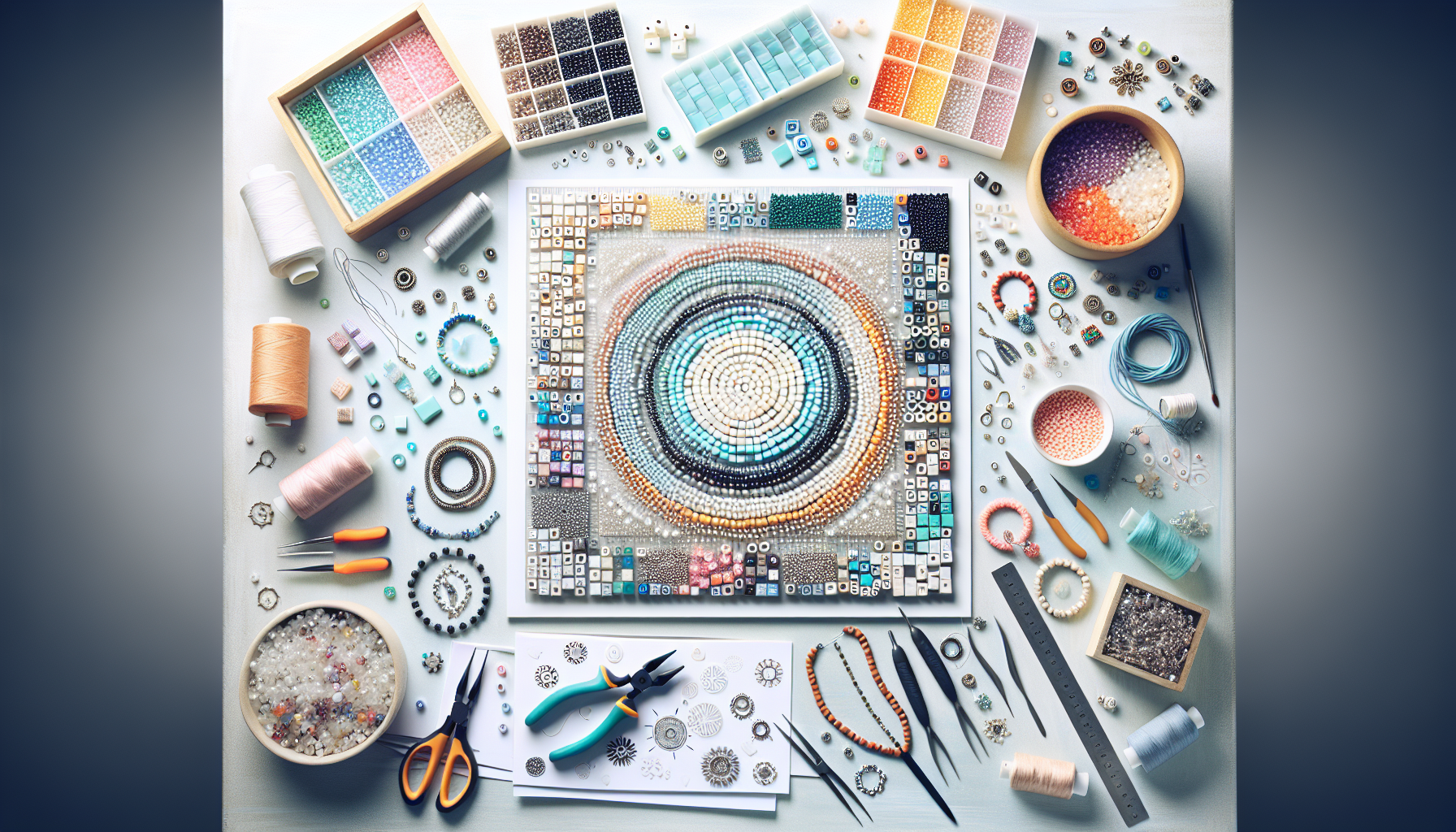
Tile beads, also called flat beads, have quickly become a favorite among jewelry makers and DIY enthusiasts due to their unique design and versatility. These beads are characterized by their flat, square or rectangular shape and usually have two parallel holes, which enables stable constructions and exciting pattern creation. Recently, tile beads have gained a special place among bead lovers because of their ability to give jewelry and projects a sleek and modern feel.
Materials and varieties of tile beads
- Wide range of materials: Tile beads are available in many different materials such as glass, ceramic, acrylic/plastic, and metal. Glass beads are particularly popular due to their depth of color and luster, while ceramic and metallic variants add additional texture and weight to projects.
- Several sizes and shapes: The original is often about 5x5 mm in size, but today flat beads are available in various sizes and also rectangular or hexagonal variants. There are also "mini" versions for extra detailed patterns.
- Unique properties: The double holes of flat beads distinguish them from ordinary round beads, providing better stability and more possibilities for advanced techniques such as two-row bracelets or mosaic-inspired jewelry.
-
Popular brands: Examples of recognized brands include Miyuki Tila (Japanese quality glass beads with precise shape) and Preciosa (Czech tile beads with a wide color palette and high durability).
What makes tile beads extra interesting is their simplicity combined with the possibility of variation. A common bracelet can quickly acquire an exclusive and geometric aesthetic with the help of flat beads, especially if you combine different colors or materials. Since these beads are available in so many versions and color schemes, both beginners and experienced creators have great freedom to experiment.
Tile beads vs. traditional beads
In comparison with traditional round beads, tile beads open up for more structured and graphic patterns. The flat profile also makes it easier to create jewelry that lies close to the skin, which is particularly appreciated for bracelets and necklaces. With the right combination of brands and materials, you get a personal expression and durable, unique jewelry that stands out from the crowd.
Uses for tile beads – Endless possibilities for creative crafting
Tile beads, or flat beads, are extremely versatile and are used in a variety of creative projects. Their flat, square shape makes them particularly popular in jewelry making, but they are also increasingly seen in textile crafts, embroidery, and home decor. Many appreciate that tile beads give a professional and modern feel, making them an obvious choice for DIY enthusiasts who want to create something unique and stylish.
Jewelry making and more
- Bracelets and necklaces: Flat beads are often used to create geometric patterns, colorful bracelets, and elegant necklaces. Their two parallel holes allow for creative threading solutions and durable jewelry.
- Earrings: Small tile beads make beautiful earrings, especially when combined with other bead types.
- Embroidery and textile crafts: Flat beads are often sewn onto textiles to enhance details or create interesting textures on bags, jackets, and pillows.
-
Wall art and decor: Tile beads can be glued or sewn onto canvas, wood, or other materials to create colorful wall decorations or paintings.
An inspiring example is a ceramic bracelet where multi-colored tile beads are strung in a criss-cross pattern – a project that provides both depth and structure while being quick to complete. Flat beads are also excellent for linking together in larger projects, such as handmade bags or decorative wall hangings.
Creative examples and own project ideas
Tile beads are not limited to traditional accessories. Many creators choose to use flat beads to create keychains, bookmarks, phone cases, or even small mosaic patterns on boxes and containers. The color variations and the possibility of combining different materials (glass, ceramic, plastic) truly allow creativity to flourish. For example, a made-up project: create a personalized book cover by sewing tile beads along the edge for a unique, handmade look – a tip rarely highlighted in traditional bead guides.
In summary, tile beads open up many more uses than most people imagine. With the right tools and a little imagination, you can go far beyond classic jewelry and create personal and unique items for the home, wardrobe, and life in general.
How to get started – Tips for beginners
Getting started with tile beads can feel both exciting and slightly overwhelming for a beginner. Whether you are experienced in beading or completely new to crafting, there are simple ways to learn the technique and create beautiful projects right from the start. Here, we guide you through the basics of working with flat beads – from tools and materials to practical tips that will help you avoid common beginner mistakes.
Basic materials and tools
To get started with tile beads, it is recommended to acquire:
-
Tile beads/flat beads in your favorite colors and shapes
-
Beading thread or specialized thread (e.g., FireLine or Nymo) that fits the bead hole size
-
Beading needles, preferably extra thin
-
Good quality scissors and small pliers
-
Clasps, jump rings, and other jewelry components, especially if you want to make bracelets or necklaces
Consider starting with a simple tile bead starter kit, which often contains everything you need for your very first project. There are also plenty of instructional videos online for those who prefer to watch and learn.
First project – Tile bead bracelet
One of the most popular beginner exercises is to create a simple bracelet with flat beads. Choose a few base colors and try combining them in straight rows, or create a simple pattern with two different colors. A smart strategy for beginners is to use matte and shiny beads together for extra contrast.
To help you get started quickly, here's a brief step-by-step guide:
1. Measure and cut the thread – always take a few extra centimeters so you have room to tie.
2. Thread the beads according to your pattern.
3. Attach the clasp/ring at the end, preferably using a little glue on the knot for increased durability.
Starting small and practicing simple projects will quickly give you a feel for the materials. You'll learn how tile beads feel in your hand and what results different color combinations yield. After the first simple projects, you can start experimenting with more personal patterns and techniques.
Inspiration and next steps
There are countless ways to develop your skills with flat beads once the foundation is laid. By following beading forums, watching DIY videos, and participating in online craft groups, you'll get new tips and tricks, as well as the opportunity to show off and be inspired by others' projects. Regardless of your ambition level, tile beads are an excellent gateway to the world of beading – easy to start with and a wonderful way to create unique accessories and gifts.
Advanced techniques with tile beads
Once you've familiarized yourself with the basics of tile beads, a world of advanced techniques opens up that can take your jewelry and crafts to the next level. Tile beads, with their two or more holes and flat shape, enable complex and stable constructions and patterns that are appreciated by both experienced jewelry makers and enthusiasts. Several leading design blogs point to the unique ability of these beads to create advanced and intricate designs that are otherwise difficult to achieve with ordinary round beads.
Create structures, patterns, and combinations
-
Pattern creation with techniques like peyote and brick stitch: With tile beads, you can create graphic and three-dimensional patterns by using techniques such as peyote stitch, brick stitch, and right-angle weave. Their flat and square shape makes them ideal for creating detailed motifs and geometric designs that stand out.
-
Combine tile beads and other beads: Tile beads work excellent with cylinder beads (like Miyuki Delica) and smaller seed beads. By alternating between different shapes and sizes, you get even more depth and movement in your work.
-
Creative examples: Build bracelets with double rows, woven necklaces, or statement earrings. A popular variation is to use tile beads as a "base" and let smaller beads form detailed edges or formations.
Many advanced users recommend experimenting and not being afraid to try unexpected combinations for unique and personal results. For inspiration, you can watch YouTube tutorials on tile bead design or visit bead store blogs where detailed project steps are often shared.
Get the most out of tile beads in advanced projects
Try sketching your designs before you start and plan which colors and shapes will have the best effect in larger works. Feel free to start with pre-made patterns, but dare to adjust details according to your own style. Also consider the direction and tensile strength of the thread, especially for larger or heavier projects. Use specialized tools to handle and place beads precisely.
Developing your skills with tile beads takes time, but the results are often impressively durable and aesthetically pleasing. By combining classic bead techniques and modern influences, you can create jewelry that stands out and lasts over time – perfect for both personal use and sale.
Purchasing tile beads – What should you consider?
Once you've decided to create with tile beads, the next step is to buy the materials – but it can be a jungle of brands, qualities, and retailers. To achieve the best possible results and an inspiring experience, it's important to consider both what you buy and where you buy it. Top search engine results show that many people are looking for reliable stores, affordable options, and tips on sustainable choices, especially among hobbyists and DIY enthusiasts.
Choose retailers and quality carefully
- Where to buy tile beads? In Sweden, tile beads are available at both physical bead stores and reputable online stores like Hilmaspyssel.se. Buying online often offers a larger selection and the possibility to compare prices.
- Assess the quality. Always choose tile beads from recognized manufacturers like Miyuki or Preciosa if you want beads with precise dimensions and clear colors. Quality beads ensure your projects last longer.
- Price and packaging size. Larger quantities generally mean a better price per bead. Choose 'bulk packs' for larger projects, but opt for smaller quantities and mixed bags if you're trying new colors or shapes.
-
Sustainable and eco-friendly choices. More and more companies offer beads made from recycled glass or environmentally friendly supply chains. Always read the product description and choose retailers with a clear environmental profile if that's important to you.
By making smart choices when buying tile beads, you save both money and frustration while contributing to more sustainable bead crafting.
Practical tips before your purchase
Evaluating color, shape, and availability is central, but don't forget to check shipping terms and delivery times when shopping online. Many Swedish retailers offer free shipping for purchases over a certain amount, which is smart to take advantage of if you want a substantial starter kit. Feel free to make a smaller initial order to get to know the retailer before investing in larger projects or more expensive beads. Also, be aware that colors can sometimes differ from the webshop's images – ask for a color sample if you want to be absolutely sure.
By comparing selection, price, and environmental impact before you buy tile beads, you create a stable foundation for successful and sustainable DIY projects. With the right strategy, your purchase becomes part of the creative adventure and inspires you to continue developing your beading in a smarter way.
Care, storage, and tips for long lifespan
Keeping your tile beads and finished jewelry in the best possible condition requires care and proper storage. Many DIY enthusiasts attest to the importance of organizing beads to keep them clean, shiny, and easy to find – especially as the collection grows. By working with effective care methods, you can both prevent unnecessary wear and preserve your projects over time.
Optimize storage and cleaning
- Sort and store in sectioned boxes: Keep different sizes, colors, and materials separated in small compartments or bead boxes with lids. This makes it easy to survey the assortment and protects against dust and moisture.
- Avoid direct sunlight: Prolonged exposure to light can fade the color of some tile beads, especially if they are made of plastic or have painted surfaces.
- Clean regularly but gently: Use a soft brush or a damp cloth to remove dust from the beads and your jewelry. For more robust materials like glass and metal, you can gently wash them in lukewarm water, but avoid soaking glued projects.
-
Avoid contact with chemicals: Perfumes, hairspray, and cleaning agents should be kept away from both beads and finished jewelry to reduce the risk of discoloration or degradation.
When you take the time to care for and organize your tile beads, you reduce the risk of lost beads and save time during your work. For example, let each bead compartment have a clear label to quickly find the right type, especially when working on larger projects where precision is crucial.
Reuse and repair for sustainability
Reusing and repairing jewelry provides both environmental benefits and personal satisfaction. If a bracelet breaks – save the beads and use them in a new project, or replace individual colors for variation. Well-made tile beads can be restrung again and again, which is perfect for experimental or timeless projects. If the glue comes loose in a piece of jewelry – clean thoroughly and re-glue with high-quality jewelry adhesive.
By investing in systematic storage, gentle cleaning, and creative reuse, you can enjoy your tile beads for many years and create durable, unique jewelry with a story. These tips allow both beginners and experienced crafters to get the most out of their creative materials.
Frequently Asked Questions
Q: What is the most important thing to know about tile beads before starting to create?
A: The most central thing to know about tile beads (flat beads) is their unique shape – often square or rectangular – with two holes, which makes them perfect for stable and symmetrical patterns. They are used for both simple and advanced projects in jewelry making and crafts. Understanding how the beads can be combined makes it easier to create durable and aesthetically pleasing results, especially since tile beads maintain their pattern over time and allow for creative variations.
Q: How do tile beads fit into today's DIY and jewelry trends?
A: Tile beads have become increasingly popular thanks to the trend for handmade and personalized accessories. They are often used together with other types of beads and materials to create unique statement jewelry. Since geometric shapes and color-blocking are hot in DIY right now, tile beads offer perfect opportunities to experiment with these looks, both for small projects and larger textile decorations.
Q: What are the most common mistakes when working with tile beads?
A: A common mistake is choosing a thread that is too thin or the wrong tool, which can lead to the beads not staying in place or the jewelry losing its shape. Another mistake is mixing colors and patterns without a clear plan, which can make the design look cluttered instead of harmonious. It is also easy to store tile beads in an unorganized manner, which complicates the creative process and increases the risk of damage to the beads.
Q: What resources or tools are recommended for tile bead projects?
A: To succeed with tile beads, it is recommended to have strong nylon or jewelry thread, a needle adapted for beads with small holes, and a bead mat to easily plan and sort patterns. For inspiration, there are many Swedish and international blogs, YouTube channels, and Facebook groups where both beginners and experienced crafters share guides and ideas. Popular tools include jewelry pliers and organizing boxes for beads.
Q: What is the best way to get started with tile beads if you are a beginner?
A: Start with a simple project, such as a bracelet where you thread tile beads onto an elastic thread. Choose two to three colors to make it manageable and create a harmonious pattern. Feel free to follow a step-by-step guide and use quality materials for the best results. The most important thing is to dare to try – tile beads are forgiving and tolerate experimentation, so you can always adjust and recreate until you are satisfied.
Create unique jewelry and projects with tile beads – your new creative favorite
Tile beads have proven to be one of the most versatile and inspiring bead types for both jewelry making and creative DIY projects. From their unique flat shape and wide variety of material choices to the ability to create both simple and advanced patterns, these flat beads offer something for everyone – regardless of experience level. By learning about tips for uses, purchasing, techniques, and care, you have gained valuable guidance to get started in the best way.
Now it's your turn to explore the versatility of tile beads and let your imagination flow! Try your own small or large projects, and feel free to share your creations and experiences with like-minded individuals. Whether you want to create personalized accessories, unique home decor items, or explore new techniques, you'll find plenty of inspiration and support online. Give tile beads a chance – you're guaranteed to discover a new favorite in the world of beads!