


Bracelet Blanks from Hilmaspyssel.se – The Key to Stylish, Handmade Jewelry
Do you want to make your own professional-looking bracelets – without being a jewelry designer? Then bracelet blanks from Hilmaspyssel.se are the perfect shortcut. With pre-made blanks, you don't have to bother with measurements, clasps, and construction, and can instead focus on the fun part: choosing beads, charms, and designs that reflect your style.
In this guide, we'll cover everything you need to succeed – from what a bracelet blank actually is, to how to choose the right model, material, and size. You'll get concrete tips, step-by-step examples, a tools list, and creative design ideas directly linked to the Hilmaspyssel.se assortment. Whether you're a beginner or an experienced crafter, you'll receive practical advice that makes it easier to create durable, personalized bracelets at home.
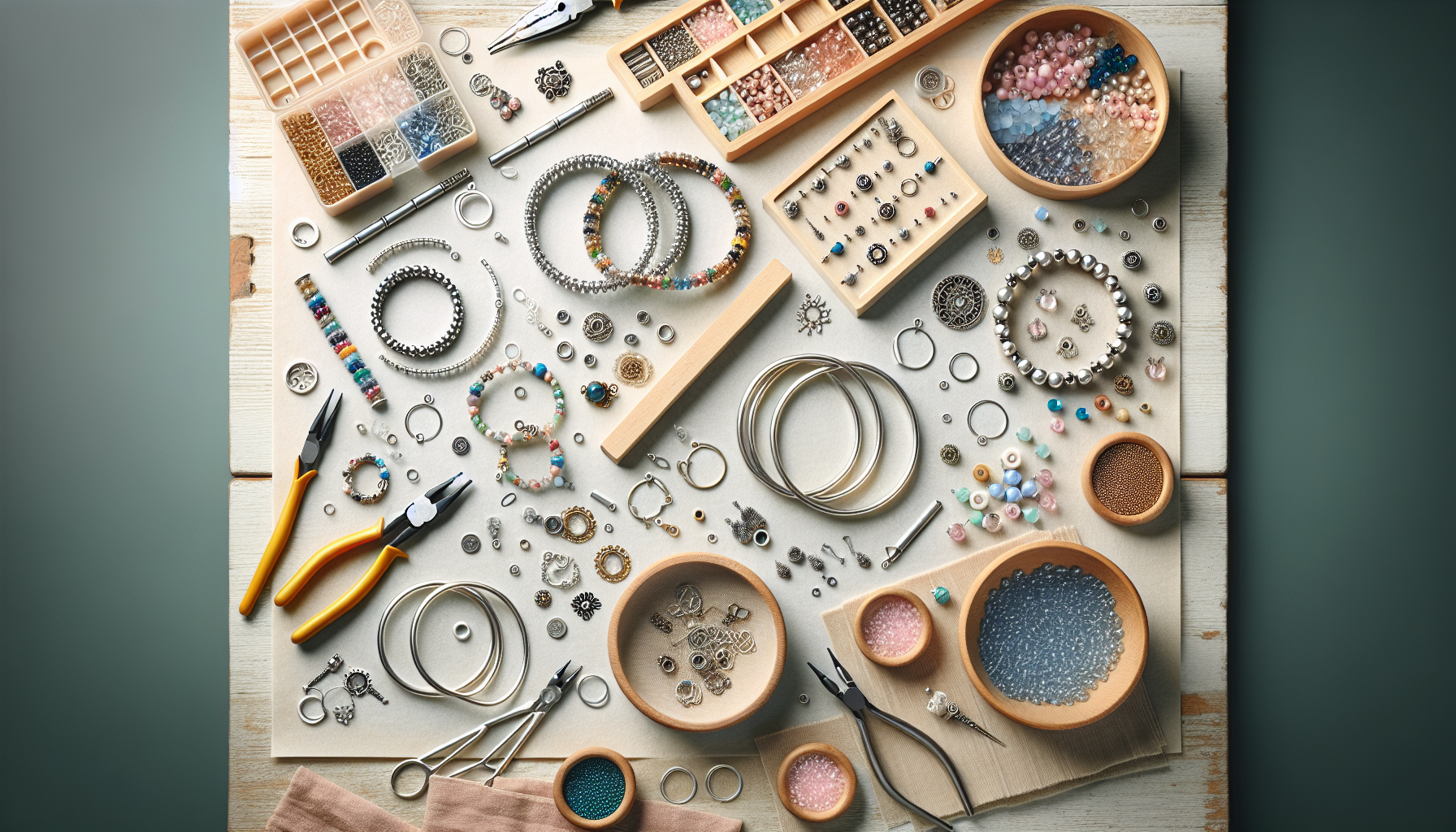
Bracelet blanks are the "main body" of a bracelet – a ready-made base that you decorate with beads, charms, and other jewelry details. Unlike a finished bracelet, the blank often comes completely plain or with only a clasp, giving you complete freedom to create your own design, but without having to build everything from wire or metal wire from scratch. This makes bracelet blanks especially popular among both beginners and experienced jewelry makers who want to work smarter and faster.
Different Types of Bracelet Blanks and When to Use Them
On sites like Hilmaspyssel.se, you'll find several common types of bracelet blanks, each with different strengths and uses:
-
Rigid Bracelet Blank: Perfect for stylish, dimensionally stable bracelets and beads with slightly larger holes. Good when you want the bracelet to maintain its shape around the wrist.
-
Chain Bracelet Blank: A classic for trinkets and charms. Ideal if you want to be able to attach and remove pendants over time, such as memory bracelets or charm bracelets.
-
Cuff Bracelet Blank: A wider, often open, rigid blank that gives a distinct statement feel. Suitable for weddings, parties, and more exclusive designs.
-
Elastic Blank/Memory Wire: Excellent for children's bracelets, everyday jewelry, and beginner projects, as the bracelet can be easily slipped on without a clasp.
-
Adjustable Blank: A good gift choice when you don't know the exact wrist size, and for those who want to make marketable "one size" jewelry.
By understanding the difference between these blanks, it becomes much easier to choose the right base from the start and avoid typical mistakes such as too loose, too stiff, or impractical bracelets.
When Bracelet Blanks Are Most Useful
Bracelet blanks really come into their own in projects where you want to combine personal design with a secure fit. They are particularly useful for gifts, such as name bracelets with letter beads, wedding jewelry for bridesmaids, everyday jewelry that can withstand frequent use, and children's crafts where simple, elastic solutions are needed. Instead of spending time on technically complicated foundations, you can focus on colors, materials, and feel – which is often the most fun part of jewelry making. It is precisely this combination of simplicity and creative freedom that makes bracelet blanks an obvious building block in your jewelry box.
Bracelet Blanks at Hilmaspyssel.se – Materials, Varieties, and a Smart Overview
Hilmaspyssel.se is a dedicated online store for crafts and jewelry making, which is clearly reflected in its wide and well-thought-out assortment of bracelet blanks. Here you'll find everything from simple basic blanks for beginners to more elaborate options for those who want to create jewelry for weddings, gifts, or sale. Instead of having to search on several different sites, you can gather blanks, beads, charms, and tools all in one place – a major advantage often highlighted in top-ranked online guides.
Material in Focus – From Metal to Faux Leather
Hilmaspyssel.se offers several popular material types for bracelet blanks:
-
Metal Blanks: Available in nickel-safe options and several colors such as silver, gold, rose gold, and antique bronze. Perfect for stylish, durable bracelets.
-
Faux Leather and Textile Blanks: Provide a softer, more bohemian feel and are suitable for women's, men's, and children's bracelets.
-
Elastic Blanks and Memory Wire: Ideal solutions for stretch bracelets, children's crafts, and projects where you want to avoid traditional clasps.
A unique strength of Hilmaspyssel.se is that the product pages often contain clear measurements, material information, and related products. This makes it easy to immediately see which beads, clasps, or charms fit that particular blank – something many other stores fail to show as clearly.
Budget, Premium, and How to Choose Right in the Store
For those who want to keep costs down, there are budget-friendly multi-packs of bracelet blanks, perfect when you need to make many bracelets for, for example, class gifts, markets, or parties. At the same time, Hilmaspyssel.se offers more elaborate premium blanks of extra fine quality and finish – the right choice when creating jewelry for weddings, confirmations, or gifts that are meant to last.
A practical way to work is to start in the bracelet blanks product category, filter by material/color, and then click through the "related products" section to pick matching beads, charms, and clasps. This way, you quickly build a well-thought-out jewelry project without missing important details such as size, fit, or the correct metal color.
How to Choose the Right Bracelet Blank – Size, Shape, and Function
Choosing the right bracelet blank is crucial for comfort, durability, and the overall look of your finished jewelry. Many beginners jump straight to the beads, but top-ranked guides clearly show that a well-considered blank choice saves time, money, and frustration. Here, we'll go through how to step-by-step choose the right blank for your wrist and style.
Size: How to Measure Your Wrist Correctly
-
Measure with a tape measure: Use a soft tape measure around the part of your wrist where the bracelet will sit. Write down the measurement in centimeters.
-
Add for comfort: Add approximately 1–1.5 cm for snug, stylish bracelets and 2–2.5 cm for looser, boho-inspired models.
-
Compare with measurements on Hilmaspyssel.se: Product pages often list both inner diameter and recommended wrist size – always use these instead of guessing.
-
Consider the target group: Children's bracelets require shorter blanks, while men's bracelets often need both longer and sometimes wider models.
A simple rule of thumb: if you're unsure, it's better to choose a slightly larger blank and work with fuller beads or extra links, rather than a blank that is too small and will be uncomfortable and difficult to take on and off.
Shape and Function: Which Bracelet Blank Suits Whom?
-
Rigid blank / cuff: Perfect for beads with larger holes, statement bracelets, and sleek metallic looks. Suits those who want the bracelet to hold its shape and sit nicely around the wrist without twisting as much.
-
Chain blank: Best for charms, trinkets, and pendants. Allows for a lot of movement and works well for personalized charm bracelets and gift bracelets where you want to add to them over time.<
-
Elastic blank or memory wire: Ideal for beginners, children, and stretch bracelets. Easy to put on and take off, requires no complicated clasps, and is perfect for colorful everyday jewelry.
-
Adjustable models: Good when making bracelets as a gift or for sale, where you don't know the exact wrist size. Provides flexibility and reduces the risk of incorrect sizing.
Always consider who will wear the bracelet, how often, and in what context. A discreet metal chain bracelet works well for work and everyday wear, while a wide cuff blank with natural stones is better suited for parties. By matching size, shape, and function from the outset, you'll get a bracelet that feels comfortable, lasts longer, and looks significantly more well-thought-out.
Materials and Tools You Need – Complete Shopping Guide from Hilmaspyssel.se
To get the most out of your bracelet blanks from Hilmaspyssel.se, a beautiful blank isn't enough – the right materials and tools make all the difference between professional-looking jewelry and something that easily breaks. In this section, we'll go through exactly what you need, how to use it, and how to build a smart basic supply without breaking the bank.
Essential Tools for Home Jewelry Making
For most projects with bracelet blanks, you can get by with a small, well-chosen tool kit:
-
Wire cutters: For cleanly cutting jewelry wire, chains, and pins without crushing them.
-
Flat-nose pliers: For opening and closing jump rings, holding small parts in place, and crimping ends.
-
Round-nose pliers: Perfect for forming neat loops on pins and wire, e.g., for pendants and charms.
-
Jewelry wire & elastic cord: Used with chain blanks, memory wire, or as a base in your own projects.
-
Crimp beads and jump rings: For securing wire and attaching charms, chains, and clasps to the blank.
If you combine these with a simple bead board or small mat, the work becomes much smoother, especially when working with many small parts at once.
Matching Accessories from Hilmaspyssel.se
Once the tools are in place, it's time for the fun part – decorations. At Hilmaspyssel.se, you'll find everything you need to fill your bracelet blanks:
-
Beads: Glass, acrylic, freshwater pearls, semi-precious stones, and natural stones for everything from luxurious wedding bracelets to simple everyday jewelry.
-
Charms and pendants: Hearts, stars, letters, animal motifs, and symbols that make every bracelet personal.
-
Clasps: Lobster clasp for secure everyday bracelets, toggle clasp for decorative designs, and magnetic clasp for children or those who have difficulty with small fasteners.
-
End caps and crimp covers: Give the bracelet a more professional and durable finish.
Think in "sets": if you choose a silver-colored bracelet blank, try to match it with silver-colored jump rings, clasps, and metal details for a cohesive look.
Suggestions for Starter Kits and Smart Storage
A practical beginner's kit from Hilmaspyssel.se could, for example, consist of:
-
1–2 packs of bracelet blanks (e.g., chain blanks and elastic blanks)
-
Assorted beads in a favorite color scheme (a mix of sizes gives a more lively design)
-
A set of basic tools: wire cutters, flat-nose pliers, and round-nose pliers
-
A pack of jump rings, crimp beads, and a few different clasps
Then store everything in small organizer boxes or zip bags, preferably separated by color or type (beads separately, metal parts separately). This makes it much easier to see what you have, plan new bracelets, and restock the right items next time you shop at Hilmaspyssel.se.
Step-by-Step: How to Make Your First Bracelet with a Blank
Making your first bracelet with a bracelet blank is much easier than many people think – especially when you start with pre-made blanks and well-thought-out accessories from Hilmaspyssel.se. In this section, we'll go through the process step-by-step, so you can follow along even if you've never made jewelry before.
Preparation: Choose Blank, Theme, and Materials
Start by deciding on a clear basic idea:
-
Choose a blank: e.g., a silver-colored chain blank with attachment points for charms, or a rigid metal blank for a beaded bracelet.
-
Determine style and color theme: boho with natural stones, minimalist with a few metal beads, or a colorful children's bracelet with acrylic beads.
-
Gather materials: beads, charms, jump rings, clasps (if not already included), and basic tools (round-nose pliers, flat-nose pliers, wire cutters).
It's a good idea to lay out the beads on a bead board or a simple kitchen towel. This way, you can quickly see if the colors and proportions work before you start attaching anything permanently.
Assembly Step-by-Step – From First Link to Finished Bracelet
Here's how you can proceed with a chain blank:
-
Attach the first jump ring: Open the jump ring sideways with two pairs of pliers, hook in the chain and possibly the clasp, close carefully so that the gap meets.
-
Thread on beads/charms: Use the attachment loops of the charms or headpins with beads that you make loops on. Attach to the chain links with small jump rings.
-
Build the design: Alternate larger and smaller beads, leave space between heavier details so the bracelet doesn't become stiff or unbalanced.
-
Finish the blank: Adjust the length if necessary, mount the clasp on the other end, and check all openings in jump rings and links.
For a rigid blank, you thread the beads directly onto the blank and secure with end pieces or glue, depending on the model.
Common Mistakes – and Quick Troubleshooting
Some typical beginner problems and solutions:
-
The bracelet becomes too heavy: Mix in lighter beads (acrylic, wood) and keep the number of heavy natural stones down.
-
Incorrect length: Test on your wrist before mounting the final clasp part. Add or remove one link/bead at a time.
-
Weak attachments: Make sure the jump rings are completely closed. If something feels wobbly – open, redo, make it right.
If the bracelet twists strangely on your wrist, you can distribute the weight more evenly around the entire blank or move heavy charms closer to the center. By daring to adjust and experiment, you'll quickly get the hang of it – and soon every new bracelet will be quicker and more beautiful to make.
Creative Design Ideas with Bracelet Blanks from Hilmaspyssel.se
Once you've found the right bracelet blank, the fun part begins: the design. With blanks from Hilmaspyssel.se, you can create everything from simple everyday favorites to personalized gifts and wedding jewelry, without needing advanced goldsmith skills. Here are concrete ideas and combinations that are easy to achieve – yet look professional on the wrist.
Trendy Styles You Can Easily Recreate
-
Name Bracelets with Letter Beads
Use an elastic blank or memory wire, letter beads, and a few accent beads in metal or glass. Perfect as a friendship bracelet or children's gift. -
Charm Bracelets with Charms and Memories
Choose a silver or gold-colored chain blank and fill it with small charms: initials, hearts, stars, or symbols for travel, interests, and family. -
Boho Bracelets with Natural Stones
Combine a faux leather blank with semi-precious stones (e.g., rose quartz, howlite, lava) and metal parts in antique silver or antique bronze for a more earthy, bohemian feel. -
Minimalist Metal Bracelets
Use a rigid metal blank and a few carefully selected beads or a single charm in the center. The result is stylish and suitable for both office and party.
It's a good idea to start with a color palette – for example, "nature & beige," "black & gold," or "pastel mix" – and then search among beads and charms on Hilmaspyssel.se based on that theme.
Collections, Seasons, and Stylish Stacking
Think in sets when designing: create matching bracelets, necklaces, and earrings by using the same metal color and bead type on different blanks. A simple example is a name bracelet, a short necklace with the same letter beads, and small earrings with a single matching bead.
For seasons and holidays, you can work with colors and symbols:
- Christmas: red, green, gold, small snowflakes, and star charms
- Graduation: blue, white, gold details, cap charms, or year numbers
-
Weddings & Bridesmaids: soft pastels, freshwater pearls, discreet hearts in silver or rose gold
If you want to create a trendy "stacking look," combine several thin bracelets: an elastic beaded bracelet, a thin chain bracelet, and a rigid metal blank. Maintain a common theme – for example, the same metal color or the same accent color – so it looks well-thought-out instead of disjointed. Hilmaspyssel.se makes it easy to filter materials in the same style, so you can build an entire small collection around your favorite blanks.
Care, Durability, and Smart Buying Tips for Bracelet Blanks
A beautiful bracelet starts with a good bracelet blank, but how you care for it determines how long the jewelry actually lasts. In this section, we'll go through how to maximize the lifespan of your bracelets, how to choose gentle and durable materials – and how to shop smartly at Hilmaspyssel.se without compromising on quality.
How to Care for Your Bracelet Blanks
-
Care for metal blanks: Remove the bracelet when showering, exercising, or doing dishes. Avoid perfume, hairspray, and cleaning agents directly on the metal. Store in small bags or jewelry boxes to reduce oxidation.
-
Cleaning according to material: Lightly wipe with a soft, dry cloth. For more durable metal blanks, you can use a slightly damp cotton swab, while faux leather or textile blanks should only be dry wiped.
-
Gentle alternatives for sensitive skin: Choose nickel-safe or plated blanks and combine with glass, acrylic, or natural stone beads to minimize skin contact with the metal.
By choosing the right type of bracelet blank on Hilmaspyssel.se from the start – and reading the material information carefully – you can avoid many typical problems such as discoloration, itchy skin, or blanks that lose their shape after a short time.
Durability and Smart Buying Strategies at Hilmaspyssel.se
-
Repurpose instead of discarding: Has the elastic lost its elasticity or does the design feel "old"? Keep the base, cut the thread, and restring with new beads. A simple update gives you a brand new bracelet without having to buy everything again.
-
Shop economically smart: Invest in multipacks of bracelet bases for staple models you use often. Combine this with campaigns, sales, and free shipping thresholds at Hilmaspyssel.se to get maximum value per order.
-
When to choose premium bases: For weddings, graduations, christenings, or jewelry you plan to sell, it pays to choose more expensive, durable bases with better plating or a higher quality level. This provides both longer durability and a more exclusive impression.
By considering both care and sustainability already when adding items to your shopping cart, you build a jewelry stock that lasts over time. Then you can reuse favorite bases, change details according to trends, and still feel that you are doing both your wallet and the environment a favor. Hilmaspyssel.se makes it easy to combine affordable basic bases with selected premium options so that every project gets the right level of quality.
Frequently asked questions about bracelet bases
Q: What type of bracelet base is best for beginners?
A: If you are completely new to jewelry making, elastic bases or memory wire are usually the easiest. You avoid fussing with clasps, need fewer tools, and can focus on the design itself. At Hilmaspyssel.se, you'll find ready-made elastic bases where you simply string on the beads and tie/secure the end. If you want to try a chain or metal base as a beginner – choose a model with clear measurements and preferably simple end pieces, as this will make assembly much smoother.
Q: How do I know if a bracelet base is nickel-safe and suitable for sensitive skin?
A: Always look in the product description. Reputable online jewelry stores, like Hilmaspyssel.se, state whether the jewelry components are nickel-safe or free of lead and cadmium. If you have extra sensitive skin, you can choose bases made of stainless steel, better quality plating, or completely avoid metal against the skin by choosing textile or faux leather. A good tip is also to start with one bracelet and test it for a few hours at home before making many identical ones.
Q: How long does a bracelet made on a base last compared to a "regular" bracelet?
A: Durability depends more on material quality and care than on whether you use a base or not. A base often provides extra stability, which reduces the risk of the thread breaking or the bracelet losing its shape. If you choose good quality metal bases, avoid moisture, perfume, and store the bracelets in small bags or boxes, they can last for many years. For children's bracelets and everyday bracelets, elastic bases are durable, but may need to be replaced after extended use – which is easy when you have a base solution.
Q: Can I reuse bracelet bases if I get tired of the design?
A: Yes, and that is one of the great sustainability arguments for bracelet bases. You can remove beads, charms, and pendants and create a completely new design on the same base. This is perfect if you want to update your jewelry by season, change color themes, or repurpose a bracelet as a gift. To facilitate reuse, it's smart to avoid permanent glue on the base itself and instead use jump rings, crimp beads, and findings that can be opened or cut open when needed.
Q: What tools do I need at a minimum to get started with bracelet bases?
A: For most projects, a simple basic kit is sufficient:
-
Wire cutters – for cutting chains, wire, and memory wire
-
Flat-nose pliers – for opening/closing jump rings and flattening crimp beads
-
Round-nose pliers – for forming loops if you are working with headpins or wire
If you only make elastic bracelets, you can sometimes manage with good scissors and some glue. At Hilmaspyssel.se, you can search for jewelry making starter kits, where you get everything in one package – perfect if you want to avoid thinking about exactly which pliers you need.
Q: How do I avoid my bracelet being too big or too small?
A: Always measure your wrist before you start. Use a tape measure or a string that you lay against a ruler. Then add approx. 1–1.5 cm for a normal fit (a little more for loose boho bracelets, a little less if you want a tighter metal design). Compare with the measurements of the bracelet base in the product text on Hilmaspyssel.se. If you are unsure – choose an adjustable base or a chain with an extender, so you have a few extra centimeters to play with.
Q: Are bracelet bases also suitable for children's crafts and parties?
A: Absolutely. For children, elastic bases and memory wire are usually the safest and easiest. You avoid small, fiddly clasps and can let the children string beads themselves under supervision. Choose lighter beads made of acrylic or wood so that the bracelets are not too heavy, and avoid small metal parts for the very youngest. A good tip is to prepare the bases in the correct length before the party and set up ready-made "design kits" with beads – then the crafting time will be both calmer and more fun.
Create durable favorite bracelets – with the right base from the start
Now you know how bracelet bases make it easier to design your own personalized jewelry at home – from understanding different base types and materials, to choosing the right size, tools, and creative design. By starting with a well-thought-out base, you get bracelets that are comfortable, last a long time, and can be updated over time with new beads and charms instead of buying completely new ones.
The next step is simple: start small, but start now. Choose a base type that suits your needs – perhaps an elastic base for a first stretch bracelet or a stylish metal base for a gift bracelet. Visit Hilmaspyssel.se, compare measurements and materials, add matching beads and clasps, and create a first "test bracelet". Once you've found your favorite model, you can build on it with more bases, create collections, and eventually your own little jewelry workshop at home. Visit Hilmaspyssel.se today, choose your first bracelet base, and let your ideas become real jewelry.