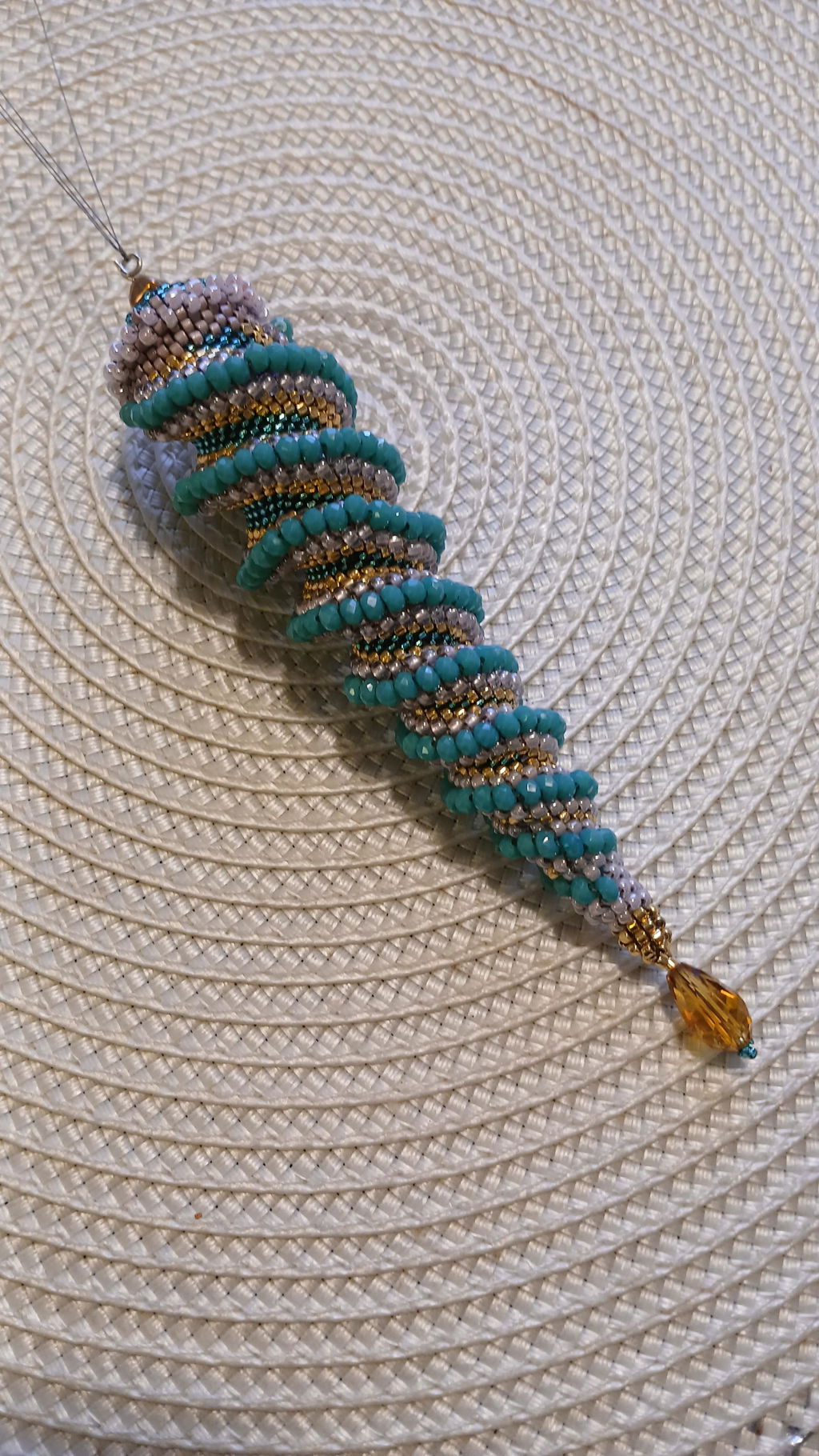
Overview
Color theory is crucial for jewelry design, influencing how colors interact to evoke emotions and experiences. By understanding colors, utilizing small beads effectively, and following current trends, designers can create unique and memorable jewelry.
Table of Contents
- Color Theory and its Basic Principles
- Applying Color Theory in Jewelry Design
- Combining Colors for Harmony
- Creating Emotional Effects
- Color and Material Selection
- Popular Color Schemes in Jewelry Design
- The Psychological Dimension of Color
- Choosing Small Beads for Jewelry and Color
- Staying Updated with Color Trends
- Harmony Between Color and Form
- Conclusion: Let Your Creativity Flow!
Key Takeaways
- Color theory is crucial for creating harmonious and appealing jewelry.
- Primary, secondary, and tertiary colors are fundamental concepts in color theory.
- Combine colors to create emotional effects and enhance the message of the jewelry.
- Popular color schemes include monochromatic, analogous, and complementary combinations.
- The choice of small beads can influence how colors are perceived and add depth to the design.
- Stay updated with the latest color trends to remain relevant in jewelry design.
- Color and form should harmonize to maximize the visual impact of the jewelry.
Pros and Cons
| Pros | Cons |
|---|---|
| Color theory helps create harmonious and appealing jewelry. | Color choices can be subjective and influenced by trends. |
| The right colors can evoke specific emotions in the viewer. | Mixing too many colors can create a cluttered impression. |
| Small beads can add depth and texture to jewelry. | Choosing the wrong materials can negatively impact color perception. |
| Staying updated with color trends can increase relevance. | Excessive focus on trends can lead to a lack of originality. |
Who it's for (and not for)
Who it's for
- Designers and crafters: If you are a jewelry designer or crafter looking to improve your skills and better understand color theory, this information is invaluable.
- Creative individuals: If you love creating and experimenting with color and form, you will appreciate the insights provided for crafting unique jewelry.
- Trend-conscious individuals: For those who want to stay updated with the latest color trends and incorporate them into their jewelry collections.
Who it's not for
- Those with limited interest in design: If you are not interested in designing jewelry or understanding colors, this article may feel irrelevant.
- Practical jewelry manufacturers: If you focus solely on production and not on design aspects, you might not find value in color theory.
- Those who prefer traditional methods: If you prefer to work with established and traditional methods without experimenting with color and form, this article may be less applicable.
Frequently Asked Questions
1. What is color theory and why is it important in jewelry design?
2. How can I use color theory to improve my jewelry?
3. What are the primary and secondary colors?
4. What do complementary colors mean in jewelry design?
5. How can small beads for jewelry influence color and design?
Designing jewelry isn't just about choosing the right components; it's also about understanding colors and how they affect emotions and experiences. Color theory is a crucial aspect of jewelry design, and using small beads for jewelry effectively can make your collection stand out. In this article, we will explore the role of color theory in jewelry design and how you can use it to create stunning jewelry that catches the eye and the heart.
Color Theory and its Basic Principles
Color theory deals with how colors interact and influence each other. By understanding the basic principles of colors, jewelry designers can create harmonious and appealing combinations. Here are some basic terms and concepts in color theory:
- Primary colors: Red, blue, and yellow. These colors cannot be created by mixing other colors.
- Secondary colors: Green, orange, and purple. These colors are created by mixing primary colors.
- Tertiary colors: These colors arise from mixing a primary and a secondary color, such as red-orange.
- Complementary colors: Colors that are opposite each other on the color wheel, like blue and orange, create a strong visual contrast.
Applying Color Theory in Jewelry Design
Color theory offers valuable insights for jewelry designers. Here are some ways to use color theory to enhance your jewelry:
Combining Colors for Harmony
By applying the principles of color theory, designers can create harmonious color schemes. Mixing small beads for jewelry in different colors can give a fresh and unique look. Choose colors that complement each other to enhance the design of each piece of jewelry.
Creating Emotional Effects
Colors can evoke different emotions. For example, blue can convey a sense of calm, while red can arouse passion. By carefully choosing colors, designers can influence how jewelry is perceived and the message it conveys.
Color and Material Selection
Color is not only related to pigment; it also affects how different materials are perceived. Here is a table showing some common jewelry materials and how their colors can influence the feel of a piece of jewelry:
| Material | Color | Feeling |
|---|---|---|
| Silver | Gray or white | Elegance and modernity |
| Gold | Yellow | Luxury and value |
| Gemstones | Variation (green, blue, red) | Originality and beauty |
| Lucite | Transparent or colored | Playfulness and creativity |
Popular Color Schemes in Jewelry Design
Creating a color scheme can be crucial for making a jewelry collection feel cohesive. Here are some popular color schemes that jewelry designers often use:
- Monochromatic: Uses different shades and tones of the same color.
- Analogous: Colors that are next to each other on the color wheel, such as blue, blue-green, and green.
- Complementary: Uses opposing colors to create contrast and excitement.
The Psychological Dimension of Color
Colors not only affect appearance but also how we feel and react. When designing jewelry, it's good to consider the psychological dimension of color. Here are some colors and their common associations:
- Red: Passion, love, and energy
- Blue: Stability, calm, and trust
- Green: Nature, growth, and harmony
- Yellow: Joy, optimism, and creativity
Choosing Small Beads for Jewelry and Color
Small beads for jewelry are a popular component in the design process. These small details can make a big difference in how colors are perceived. When working with small beads, consider the following tips:
- Combine Colors: Use a mix of colors to create interesting and eye-catching patterns.
- Vary Sizes: Mixing small and large beads can add depth and texture to your jewelry.
- Consider Light: Different beads can reflect light in different ways, which affects how colors are perceived.
Staying Updated with Color Trends
Colors are constantly changing, and trends in jewelry design can shift rapidly. Staying updated with the latest color trends is important to remain relevant. Visit design fairs, follow industry leaders on social media, and participate in networking events to keep track of what's in vogue.
Harmony Between Color and Form
Color is not the only factor affecting jewelry design; how color interacts with form and structure is equally important. A well-shaped piece can enhance the impact of color. By combining the design's form with color theory, you can create jewelry that speaks to both typography and color.
Truly outstanding jewelry is not only beautiful, but it also carries a story, a feeling, and a personal touch. Understanding color theory and implementing small beads for jewelry can make your creations unique and memorable.
Conclusion: Let Your Creativity Flow!
The role of color theory in jewelry design is crucial for creating magnificent and unique pieces. By understanding color relationships, experimenting with small beads for jewelry, and staying updated on trends, you can develop your own style and create works that truly stand out. Let your creativity flow, and most importantly, have fun while designing! Your next magical piece of jewelry might just be a color combination away!
Glossary
| Term | Meaning |
|---|---|
| Primary colors | Red, blue, and yellow; cannot be created by mixing other colors. |
| Secondary colors | Green, orange, and purple; created by mixing primary colors. |
| Tertiary colors | Colors created by mixing a primary and a secondary color. |
| Complementary colors | Colors opposite each other on the color wheel, creating contrast. |
| Monochromatic | Uses different shades of the same color. |
| Analogous | Colors adjacent to each other on the color wheel. |
| Color scheme | A plan for how colors are combined in design. |
| Emotional effects | How colors influence emotions and perceptions. |
| Color trends | Current and popular colors in design. |
| Harmony | Balance and interplay between colors in design. |
Linked product

Miyuki Seed Beads - Duracoat Opaque Light Carnation 11/0, 10 gram
Miyuki Seed Beads in Duracoat Opaque Light Carnation offer a vibrant and high-quality option for jewelry makers of all skill levels. Each 10-gram package contains approximately 1100 beads, making them versatile for various projects such as earrings, bracelets, and necklaces. Their durability and rich color allow for unique designs and interesting contrasts when combined with other beads and techniques.
View product